
Quick Read
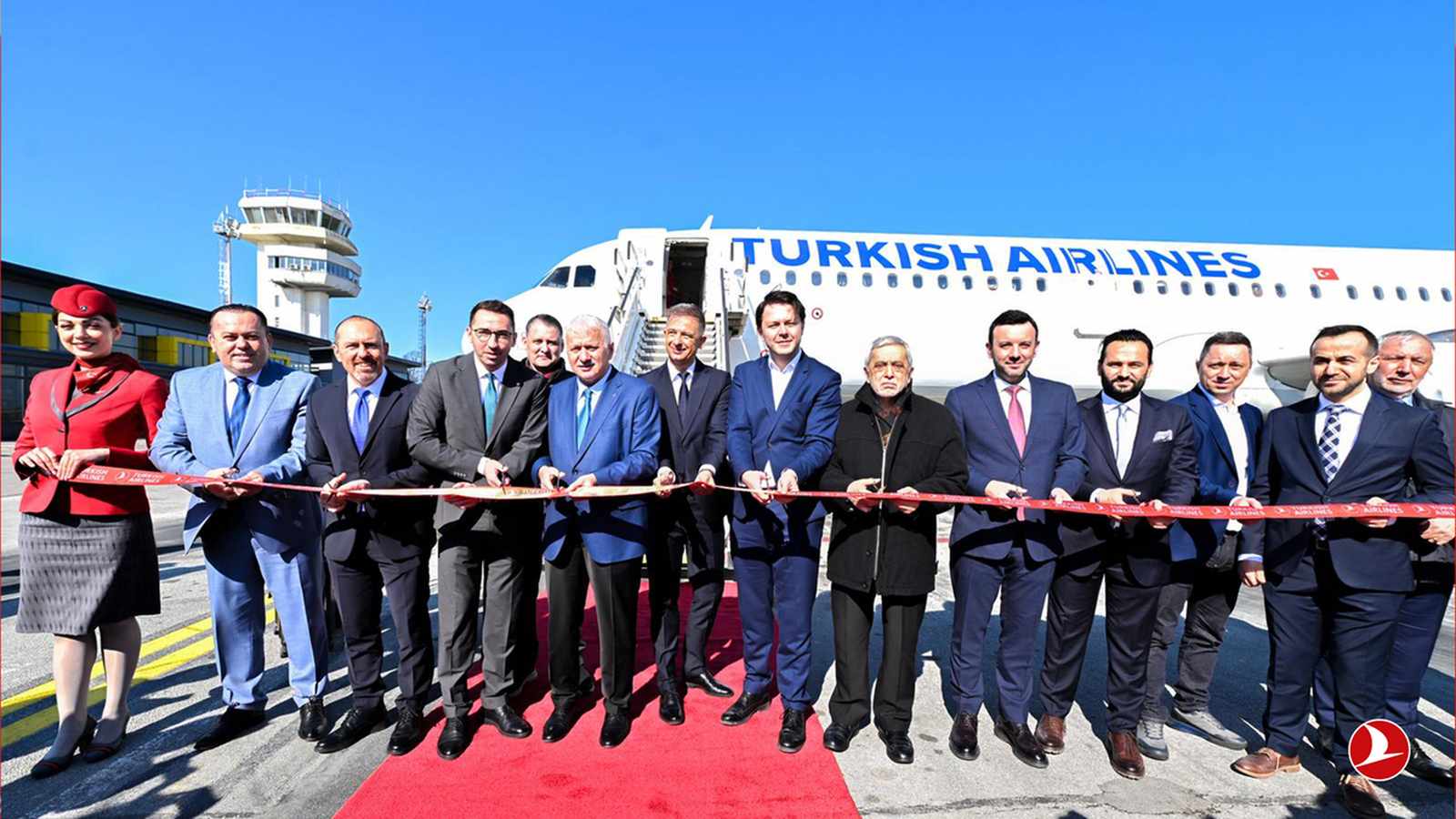
- Turkish Airlines launched a new route to Timișoara, Romania, on April 1, 2026, marking its fourth destination in the country.
- The airline has grounded most Middle Eastern flights due to the ongoing conflict in Iran, complicating its hub-and-spoke operations.
- IndiGo has transitioned away from a wet-lease agreement with Turkish Airlines, choosing to operate the Delhi-Istanbul route with its own A321XLR fleet.
ISTANBUL (Azat TV) – Turkish Airlines is executing a dual-track strategy in April 2026, balancing aggressive expansion into Eastern Europe with the mounting operational pressures triggered by the ongoing conflict in Iran. As regional airspace volatility forces major carriers to ground Middle Eastern operations, the Turkish flag carrier is simultaneously launching new service to Romania to reinforce its status as a vital global transit hub.
Turkish Airlines Strategic Expansion in Eastern Europe
The airline officially commenced scheduled passenger services between Istanbul Airport and Timișoara Traian Vuia International Airport on April 1, 2026. This new route marks the carrier’s fourth destination in Romania, joining Bucharest, Cluj-Napoca, and Constanța. Turkish Airlines CEO Bilal Ekşi described the move as a strategic effort to deepen the airline’s footprint in Eastern Europe, leveraging Istanbul’s role as a primary east-west gateway to connect the Banat region to a network of 358 global destinations.
The service operates with five weekly frequencies using Boeing 737-800 aircraft. Industry analysts note that this expansion is well-timed to capture higher-yield connecting traffic, as legacy carriers look to fill gaps left by the limited reach of low-cost alternatives in the region. The route is positioned to serve both the growing IT and manufacturing sectors in Timișoara and the rising demand for medical tourism.
Operational Headwinds and Regional Airspace Volatility
While the Romanian launch signifies growth, the broader operational landscape remains fraught with difficulty. The escalating conflict in Iran has forced Turkish Airlines to ground the majority of its Middle Eastern flights through the end of March, with ripple effects continuing into April. The airline, along with many international peers, has been forced to navigate restricted airspace and significantly higher fuel costs as the regional security situation remains fluid.
The impact is widespread; airlines including the Lufthansa Group, KLM, and Emirates have implemented prolonged suspensions of services to hubs like Dubai, Tel Aviv, and Amman. For Turkish Airlines, the challenge lies in managing its massive hub-and-spoke model while the Middle Eastern segments of its network remain largely immobilized by regional instability.
Shifting Partnerships and Fleet Dynamics
The operational landscape is further complicated by changes in regional partnerships. IndiGo Airlines, which previously relied on a wet-lease agreement with Turkish Airlines for its Delhi-to-Istanbul route, has successfully transitioned to operating the sector with its own Airbus A321XLR aircraft as of April 19. This transition, prompted by earlier government directives, marks the end of a significant collaborative phase between the two carriers on the India-Turkey corridor.
The juxtaposition of Turkish Airlines’ rapid European network growth against the forced paralysis of its Middle Eastern routes highlights the precarious nature of hub-centric aviation models in 2026, where long-term strategic expansion must constantly contend with the unpredictable realities of regional geopolitical conflict.