
Quick Read
- The UAE is reportedly considering freezing Iranian assets held in the Gulf state amid escalating regional conflict.
- This potential move signals a shift from the UAE’s previous defensive posture and follows weeks of Iranian drone and missile strikes on Emirati territory.
- Over 27,000 flights have been canceled across seven major Middle East airports since February 28, severely impacting travel and the UAE’s economy.
- The U.S. has consistently pressed the UAE to dismantle financial networks used by Iran to bypass sanctions.
- Six people were injured in Abu Dhabi from drone debris, and explosions were reported near Zayed International Airport.
DUBAI (Azat TV) – The United Arab Emirates is reportedly considering freezing billions of dollars in Iranian assets held within the Gulf state, a significant potential shift in its regional policy amid escalating Iranian missile and drone strikes. This move, cited by the Wall Street Journal, signals a departure from the UAE’s previously affirmed defensive posture and comes as Washington continues to pressure Gulf nations to dismantle financial networks supporting Tehran.
The potential action marks a critical development in the ongoing conflict between the United States and Iran, which has reverberated across the Middle East since late February 2026. If implemented, the freezing of assets could severely limit Iran’s access to foreign currency and global trade networks, directly challenging its financial lifelines within the Gulf.
UAE Weighs Freezing Iranian Assets
The United Arab Emirates has long served as a crucial hub for Iranian financial activities, with shell companies registered in Dubai’s free zones often masking the origin of Iranian oil and commodities. Informal currency exchange houses have also facilitated the movement of funds across borders, largely outside conventional banking oversight. For years, the U.S. has urged the UAE to dismantle these networks, with the U.S. Treasury sanctioning UAE-based entities and officials reiterating concerns over enforcement.
This consideration by the UAE government comes after weeks of intense regional instability. Earlier this week, UAE officials had reaffirmed a defensive stance, committing not to join military actions against Iran. However, the continuous escalation of Iranian strikes, which have directly impacted Emirati territory and its economic stability, appears to be prompting a re-evaluation of this position.
Escalating Strikes and Economic Fallout in UAE
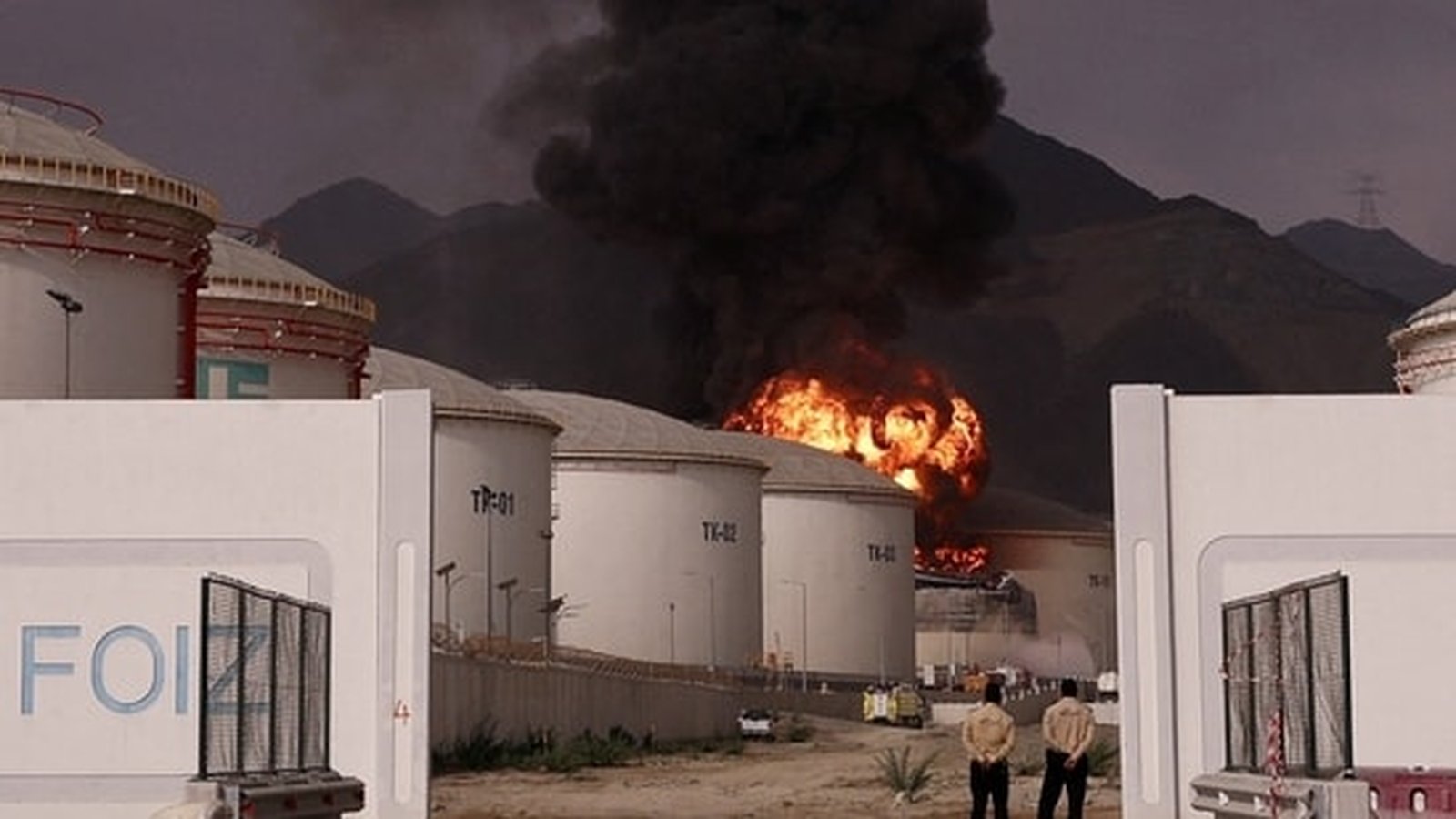
The decision to consider freezing Iranian assets follows a period of heightened aggression. On Thursday, March 5, the UAE’s defense ministry reported repelling six ballistic missiles and 131 drones targeting its territory. Incidents included explosions near Zayed International Airport in Abu Dhabi and injuries to six people from drone debris in the ICAD 2 area of the city, as confirmed by the Abu Dhabi media office. These attacks are part of Iran’s retaliatory strikes against Gulf states, which began after joint U.S.-Israeli strikes on Tehran.
The escalating conflict has had a severe economic impact on the UAE. Over 27,000 flights have been canceled across seven major Middle East airports, including Dubai International and Zayed International in Abu Dhabi, since February 28, according to Flightradar24 data. This disruption has stranded thousands of travelers and cruise ship passengers in the Gulf, deeply rattling the expatriate business community and international investors that Dubai has spent decades cultivating by projecting stability.
US Pressure and Shift in UAE Policy
The U.S. has actively sought to curb Iran’s financial access, particularly through its Gulf neighbors. The reported consideration by the UAE to freeze Iranian assets could be a direct response to this sustained pressure, combined with the increasing direct threat posed by Iranian military actions. While the UAE had previously sought to maintain neutrality in the broader U.S.-Iran conflict, the direct targeting of its territory and infrastructure appears to have pushed it towards a more assertive economic posture.
The move could have profound implications for Iran, which relies on these financial channels to circumvent international sanctions. By disrupting these networks, the UAE would not only align more closely with U.S. policy but also impose significant economic hardship on Tehran, potentially limiting its ability to fund further regional operations.
Broader Implications for Iran’s Financial Lifelines
Beyond the UAE, other Gulf countries, including Saudi Arabia, Kuwait, and Qatar, have also reported missile and drone incidents, underscoring the widespread nature of the conflict. Saudi Arabia confirmed destroying three drones east of Riyadh, while Kuwait activated air defenses after multiple missiles and drones breached its airspace. Qatar also intercepted a drone targeting a U.S. base in Doha. The U.S. State Department even suspended operations at its embassy in Kuwait amid the escalating strikes, highlighting the regional instability.
The broader shipping industry has also been severely affected, with around 200 ships anchored near Gulf ports and hundreds more waiting outside the Strait of Hormuz, a critical route for global oil and LNG supply. Jet fuel prices have soared to record highs, further exacerbating the economic strain on the region. These widespread disruptions collectively underscore the urgency driving the UAE’s potential policy shift.
The UAE’s reported consideration of freezing Iranian assets represents a critical escalation point, transforming its response from a purely defensive stance to one with significant economic leverage. This decision, if confirmed and implemented, would not only reshape the UAE’s relationship with Iran but also significantly alter the regional balance of power and the efficacy of international sanctions against Tehran.