
Quick Read
- UK inflation rate fell to 3% in January 2026, down from 3.4% in December.
- This is the lowest annual inflation rate in the UK since March 2025.
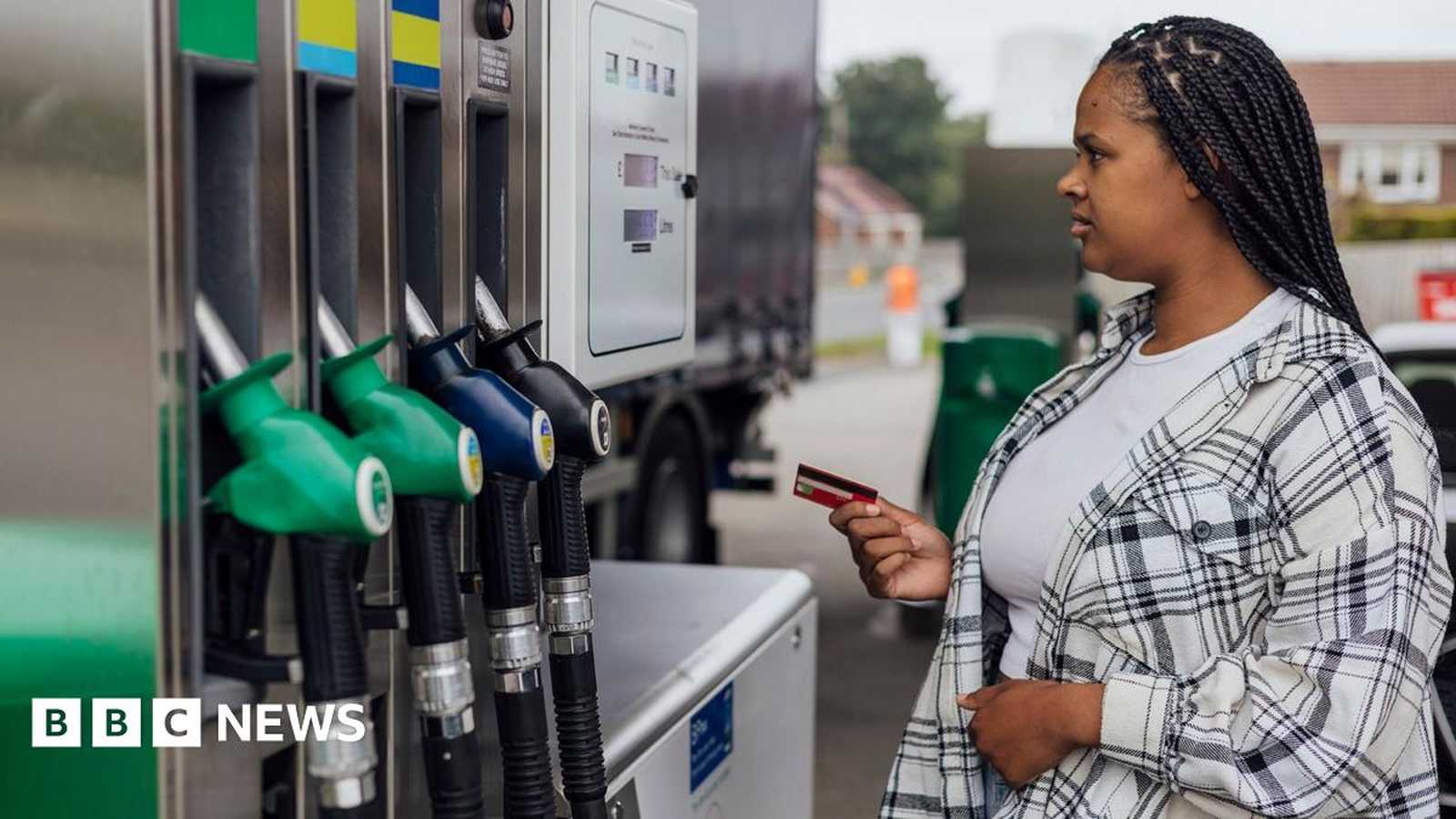
- Lower petrol prices, airfares, and food costs (bread, cereals, meat) were key drivers of the decrease.
- Core inflation, excluding volatile items, stood at 3.1% in January.
- The data significantly increases expectations for a Bank of England interest rate cut in March.
LONDON (Azat TV) – The United Kingdom’s inflation rate cooled significantly to 3% in January, marking its lowest annual rate since March 2025 and fueling strong expectations that the Bank of England (BOE) will cut its benchmark interest rate as early as March. This development signals a potential turning point after years of persistent inflationary pressures that have prompted central banks worldwide to implement aggressive rate hikes.
The latest figures from the Office for National Statistics (ONS) revealed that the consumer price index (CPI) fell to 3% for the 12 months to January, down from 3.4% in December. This decline met economists’ expectations, as polled by Reuters. Core inflation, which excludes volatile items like energy, food, alcohol, and tobacco, also saw a modest drop, standing at 3.1% in January compared to 3.2% in the previous month.
UK Inflation Cools Markedly
ONS Chief Economist Grant Fitzner attributed the fall in headline inflation partly to a decrease in petrol prices. He noted on X that airfares also played a significant role, dropping back after an increase in December. Lower food prices, particularly for bread, cereals, and meat, further contributed to the downward trend. However, these reductions were partially offset by rising costs for hotel stays and takeaway services.
The Bank of England is closely scrutinizing this data as it seeks further confirmation that inflation is on track to reach its 2% target by April. The latest inflation figures, combined with other recent economic indicators, paint a clearer picture of easing price pressures across the UK economy.
Drivers of the Disinflation Trend
Beyond the direct impact of commodity and service prices, broader economic signals have reinforced the disinflationary trend. Data released earlier in the week showed signs of weakness in the labor market, with the unemployment rate rising to 5.2% in December, its highest level in five years. Annual wage growth, a critical metric for the central bank in assessing inflationary pressures, also weakened in the last three months of 2025. Furthermore, growth data from the previous week indicated a continued slowdown in the wider economy, which expanded by a meager 0.1% in the fourth quarter.
Bank of England Rate Cut Expectations
Economists are increasingly confident that the latest batch of data could prompt the BOE to cut its benchmark interest rate, currently at 3.75%, at its next meeting in March. Zara Nokes, a global market analyst at J.P. Morgan Asset Management, commented on Wednesday that ‘sticky inflation has been the Achilles’ heel for the UK for a number of years, requiring the Bank of England to keep interest rates restrictive. But it appears that we have finally turned a corner.’ She added that this progress should continue, with headline inflation likely falling to within touching distance of the 2% target by April.
Nokes also highlighted that the moderation in wage growth should help keep ‘all-important services inflation – which has been a thorn in the Bank of England’s side for a number of years – at bay.’ She suggested the BOE likely has room for another couple of 25-basis-point rate cuts before hitting the neutral rate, expecting these cuts to be ‘front-loaded.’
Broader Economic Context in the UK
Danni Hewson, head of financial analysis at AJ Bell, echoed these sentiments, stating that the gloomy picture painted by recent growth figures and the lackluster jobs market has increased the likelihood of a March rate cut. Hewson also noted an increased expectation that rates could reach as low as 3% by the end of 2026. The Bank of England itself, in a report published on February 5, had forecast a rate of 2.9% for January, close to the actual ONS announcement of 3%, and anticipates further falls driven by energy price developments.
The significant cooling of UK inflation in January, coupled with weakening labor market data and sluggish economic growth, marks a pivotal moment for the Bank of England. This broad-based disinflation provides the central bank with substantial justification to begin easing its restrictive monetary policy, potentially offering relief to consumers and businesses after a prolonged period of high borrowing costs aimed at taming persistent price rises.