
Quick Read
- The UK Supreme Court ruled ‘woman’ is defined by biological sex.
- The decision impacts single-sex spaces and sex-based rights.
- Transgender protections under the Equality Act remain intact.
- The case was brought by For Women Scotland against the Scottish government.
- The ruling has sparked both celebration and concern across the UK.
UK Supreme Court Rules on Definition of ‘Woman’
The UK Supreme Court has issued a landmark ruling, defining the term ‘woman’ under the Equality Act 2010 as referring to biological sex. This decision has significant implications for sex-based rights, single-sex spaces, and the broader debate surrounding gender identity in the UK.
Background of the Case
The case was brought by the campaign group For Women Scotland, which challenged the Scottish government over its interpretation of the Equality Act. The group argued that sex-based protections should only apply to individuals identified as female at birth. The Scottish government, on the other hand, maintained that transgender individuals with a Gender Recognition Certificate (GRC) should be entitled to the same protections as biological women.
Key Points from the Ruling
In a unanimous decision, the Supreme Court ruled that the terms ‘woman’ and ‘sex’ in the Equality Act 2010 refer to biological sex. Lord Hodge, delivering the judgment, emphasized that this interpretation does not diminish protections for transgender individuals, who remain safeguarded against discrimination under the protected characteristic of gender reassignment.
The court noted that interpreting ‘sex’ as ‘certificated sex’ would create inconsistencies within the legislation, particularly in areas such as single-sex spaces, sports, and associations. The ruling clarified that single-sex spaces, such as hospital wards, changing rooms, and refuges, are legally protected for individuals of the same biological sex.
Reactions to the Decision
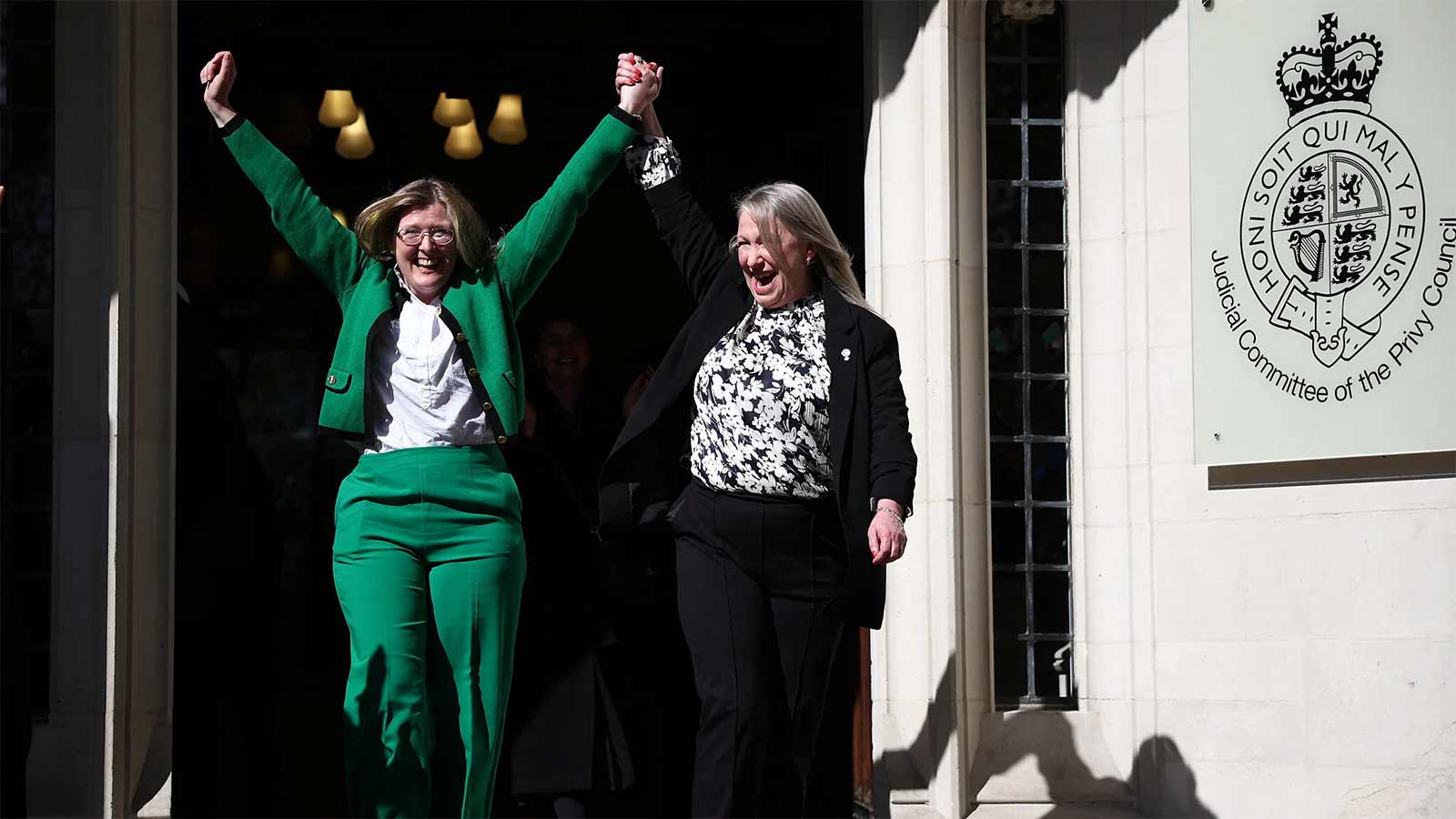
The ruling has elicited mixed reactions across the UK. Gender-critical campaigners celebrated the decision as a victory for women’s rights and the protection of single-sex spaces. Susan Smith, co-founder of For Women Scotland, expressed gratitude to the Supreme Court, stating, “Women can now feel safe that services and spaces designated for women are for women.”
Conversely, transgender rights advocates and organizations have voiced concerns over the implications of the ruling. Vic Valentine, manager of Scottish Trans, described the decision as “shocking” and argued that it could lead to the exclusion of transgender individuals from both men’s and women’s spaces.
Implications for Policy and Society
The ruling has far-reaching consequences for how equality laws are applied across Scotland, England, and Wales. It provides clarity for service providers, employers, and policymakers but also raises questions about the practical implementation of the judgment. For instance, workplaces may need to reassess provisions for single-sex spaces to align with the court’s interpretation.
The Equality and Human Rights Commission (EHRC) has announced plans to update its guidance in response to the ruling. The UK government has also welcomed the decision, stating that it brings “clarity and confidence” to women and service providers.
Broader Context
The case is part of a broader, often contentious debate over gender identity and women’s rights in the UK. Recent years have seen heated discussions on issues such as transgender participation in sports, access to single-sex spaces, and legal recognition of gender identity. The ruling is likely to influence ongoing policy discussions and legislative reforms in these areas.
While the Supreme Court’s decision provides legal clarity, it also underscores the need for continued dialogue and understanding among different groups. As Lord Hodge noted, the judgment should not be seen as a triumph for one side over another but as a step toward balancing rights and protections for all individuals.
The UK Supreme Court’s ruling marks a pivotal moment in the ongoing debate over gender identity and sex-based rights. While it resolves certain legal ambiguities, it also highlights the complexities of balancing competing rights in a diverse society. The implications of this decision will continue to unfold in the months and years ahead.
Sources: BBC, CNN, Context News