
Quick Read
- Ukraine’s progress toward EU membership remains slow, with internal reforms lagging.
- Russian advances continue on Ukraine’s eastern front, intensifying humanitarian risks.
- Ukrainian drones struck Russia’s Tuapse oil terminal, disrupting exports and causing a large oil spill.
- EU internal discord and skepticism complicate Ukraine’s accession prospects.
- Kyiv’s deep strikes on Russian infrastructure aim to weaken Moscow’s war funding.
Ukraine’s Battle on Two Fronts: War and EU Membership
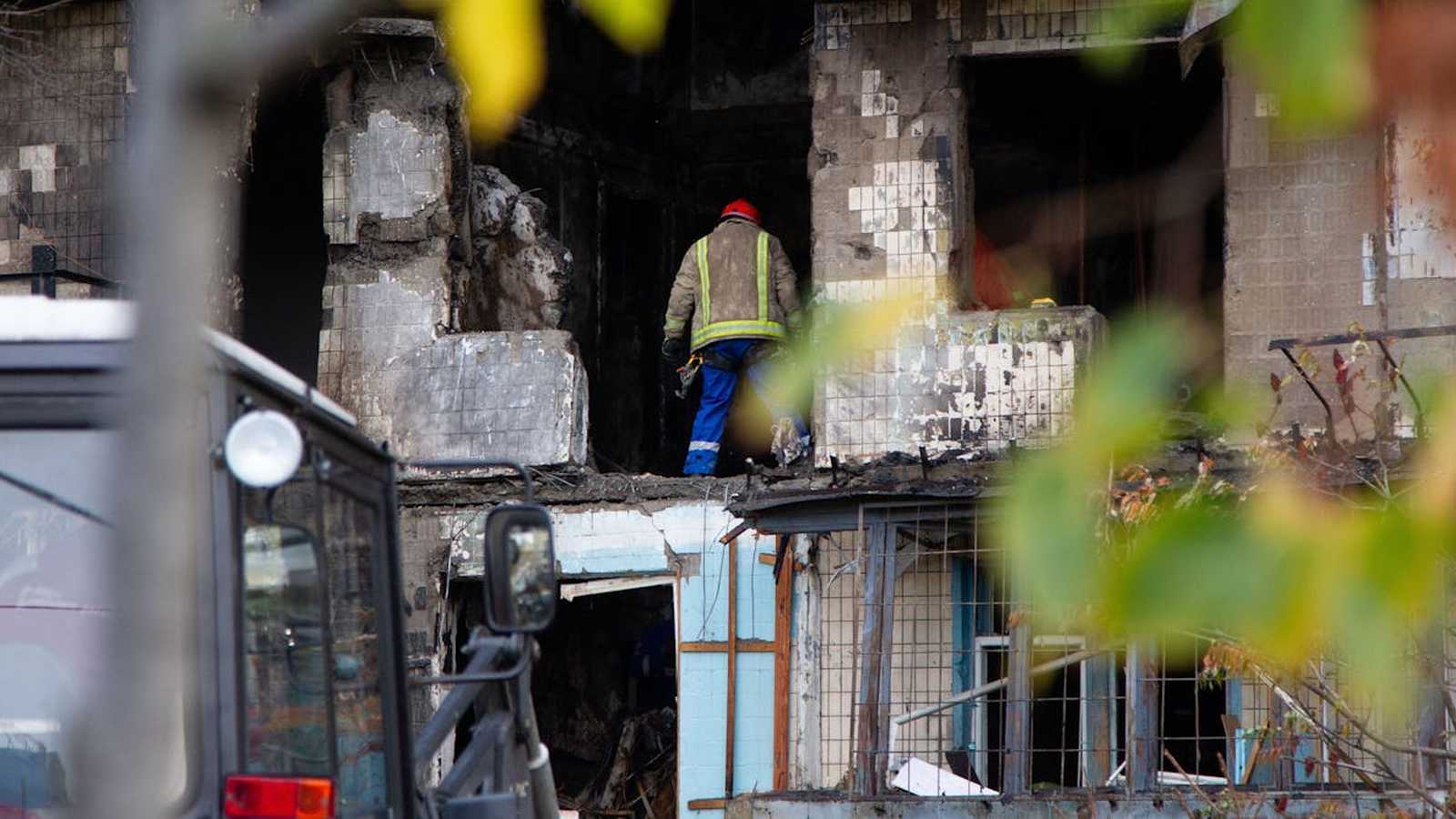
Ukraine has rarely faced a month as daunting as this past November. On the eastern frontlines, the battle for Pokrovsk rages—an emblem of a conflict that shows no sign of receding. Reports from the Institute for the Study of War highlight Russian advances, painting a grim picture for Ukrainian forces. But the pressure isn’t limited to military maneuvers. Behind the lines, Ukraine’s energy infrastructure reels from relentless Russian air campaigns, each strike threatening to plunge the nation deeper into humanitarian crisis, as warned by the United Nations.
Yet, the turbulence extends far beyond the battlefield. Kyiv’s aspirations to join the European Union, once a beacon of hope, now seem mired in political gridlock. The European Commission’s latest assessment, released in 2025, acknowledges progress in all 33 chapters of accession negotiations—a testament to Ukraine’s resilience under extraordinary duress. Still, the details tell a more sobering story. The report calls out modest progress in critical areas like anti-corruption, judicial independence, and civil service transparency. In some instances, recent government moves have cast doubt on Ukraine’s commitment to reform, sparking public protests and drawing international concern.
EU Membership: Progress in Name, Hurdles in Reality
For President Volodymyr Zelensky, the EU’s positive language is a much-needed lifeline. But beneath the surface, serious issues persist. The Commission notes ongoing political pressure on anti-corruption activists and journalists, including harassment and intimidation. Strategic lawsuits against public participation (SLAPPs) have become a troubling tool, targeting investigative reporters and eroding public trust.
Decentralization remains incomplete, and the judiciary’s independence is under question. The prison system, too, continues to grapple with reports of ill-treatment and torture. It’s a familiar refrain: many of these concerns were first highlighted in Ukraine’s 2022 membership application and have echoed through subsequent annual reviews. The persistence of such issues, especially those touching on core EU values, gives ammunition to critics within the Union—most vocally Hungary’s Viktor Orbán, but also Poland, Slovakia, and the Czech Republic’s new hard-right coalition.
Enlargement Commissioner Marta Kos has made it clear: future accession treaties must contain stronger safeguards to reassure member states that the integrity of the EU won’t be compromised. The dilemma is stark—how can the EU maintain its standards while supporting a country fighting for survival?
Strategic Strikes: Ukraine Hits Russia’s Oil Heartland
Meanwhile, Ukraine’s military has shifted the battlefield far into Russian territory. On November 1st, Ukrainian drones struck the Tuapse oil terminal in Krasnodar Krai, Russia—a facility critical for Moscow’s energy exports. According to Reuters and the Kyiv Independent, five drone strikes caused significant damage: a tanker caught fire, four piers used for loading and unloading became inoperable, and port buildings sustained heavy hits. Satellite images published by the BBC show an oil spill stretching over 3.6 kilometers in the Black Sea, a stark testament to the attack’s impact.
The refinery, operated by Russia’s state oil company Rosneft, had been expected to ramp up exports in November. With a daily capacity of 240,000 barrels, Tuapse primarily supplies China, Malaysia, Singapore, and Turkey. The disruption is more than just a logistical headache—it threatens to undermine Russia’s energy revenue, a lifeline for its war effort. Ukrainian Navy spokesperson Dmytro Pletenchuk emphasized that such strikes have “long-term consequences,” affecting not just production but also seafarers’ willingness to operate in the region, driving up insurance costs and deterring future shipments.
Officials from Krasnodar Krai confirmed the damage, noting that vessel superstructures, port infrastructure, and buildings were all hit. Preliminary reports suggest no casualties, but the economic ripple effect is expected to be substantial. The Security Service of Ukraine (SBU) declared the attack part of a broader campaign targeting Russia’s oil refining infrastructure—vital assets that help fuel the aggression against Ukraine. “As long as the war continues, flames will continue to burn brightly at Russian oil refineries,” the SBU announced.
Internal Discord and External Pressure: The Road Ahead
Ukraine’s struggle is multi-layered. The war has forced Kyiv into a corner, making some reforms difficult, if not impossible, to pursue. The specter of an autocratic tilt under Zelensky is raised occasionally, though the evidence remains inconclusive. What’s clear is that wartime politics has darkened the atmosphere, complicating the country’s EU ambitions and providing fodder for detractors.
Within the EU, opposition to Ukraine’s accession has hardened. Hungary’s obstructionism is well-documented, and Poland and Slovakia have joined the chorus, stalling trade deals and raising doubts about Ukraine’s readiness. Even as the EU’s foreign affairs chief, Kaja Kallas, maintains that 2030 is a realistic target for membership, skepticism lingers. Enlargement Commissioner Kos’s warning about “Trojan horses” entering the Union underscores the anxiety felt by many member states.
On the military front, Ukraine’s strategy of striking deep into Russian territory reflects both desperation and ingenuity. Domestically developed drones have become a crucial tool, allowing Kyiv to target military and industrial facilities well beyond the immediate war zone. These attacks, especially on energy infrastructure, aim to cripple Moscow’s ability to fund its war, but also risk escalating the conflict and drawing unpredictable responses from Russia.
Between Hope and Hardship: Ukraine’s Uncertain Path
The intertwining of Ukraine’s future with that of the EU has grown tighter since Russia’s full-scale invasion in 2022. Yet, as the European Commission’s 2025 report makes clear, significant hurdles remain. The question for the EU is no longer just about solidarity, but about safeguarding its own values while enabling Ukraine to resist Russian aggression.
As winter approaches, the stakes grow higher. Energy shortages threaten civilian life, and political discord complicates reform. Each drone strike deep inside Russia is both a sign of Ukraine’s resolve and a reminder of the conflict’s widening scope. The road to EU membership looks long and uncertain, shadowed by both internal challenges and external pressures.
Ukraine’s predicament is defined by its ability to endure simultaneous trials: war at home, political strife, and diplomatic hurdles abroad. The country’s resilience is undeniable, but real progress—toward peace, reform, and EU integration—will require more than courage. It demands sustained international support and a willingness to confront uncomfortable truths about governance and justice, both in Kyiv and Brussels.