
Quick Read
- Ukrainian negotiators will push for clear timelines as peace talks with Russia resume in the U.S. on Saturday.
- Previous talks stalled over Russia’s demand for Ukrainian territory, with a new sticking point being U.S. sanctions waivers on Russian oil.
- The resumption occurs amid heightened Middle East tensions, which previously led to a pause in negotiations.
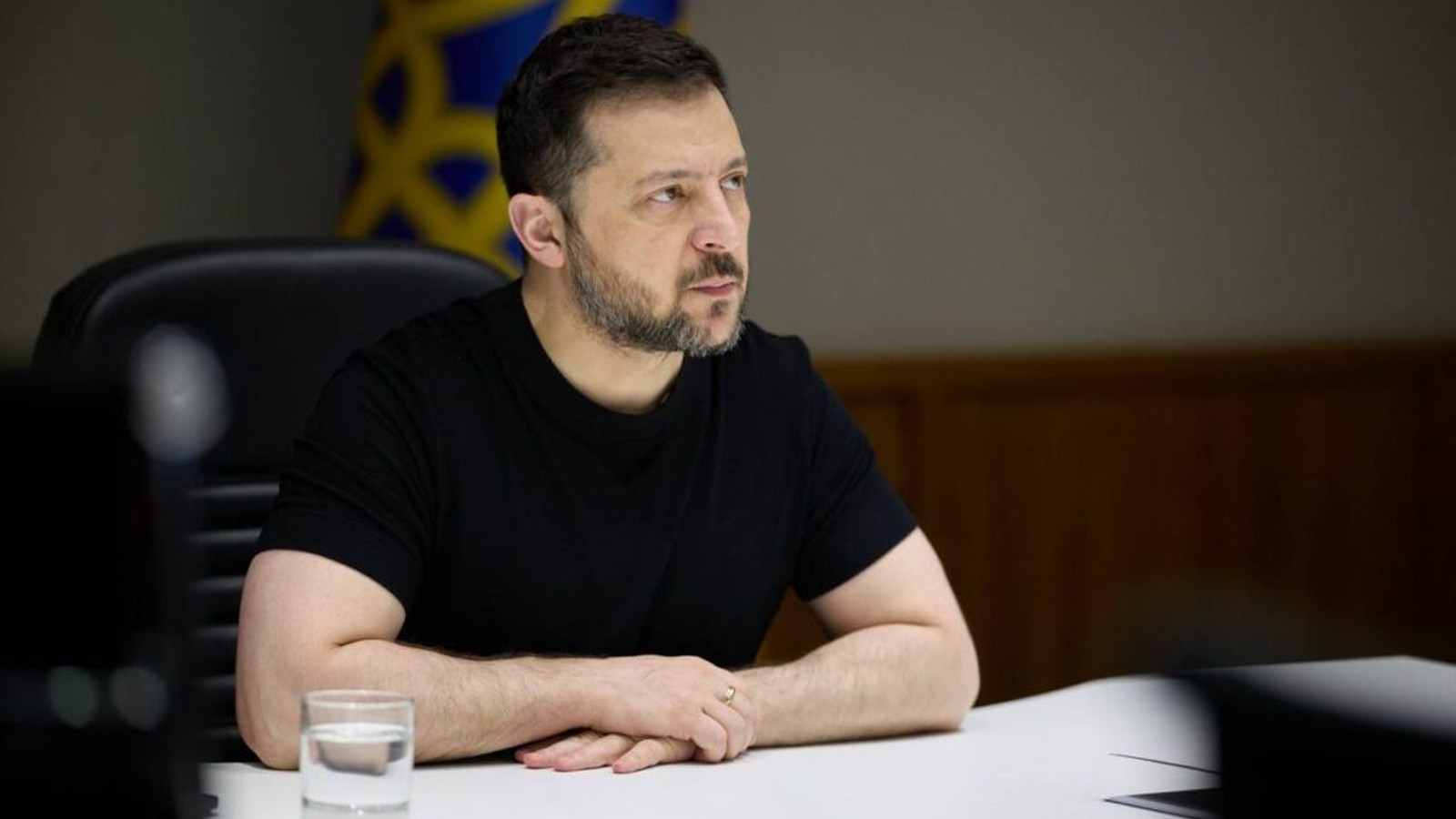
KYIV (Azat TV) – Ukraine’s President Volodymyr Zelenskyy announced that negotiators will push for clear timelines as US-brokered peace talks with Russia are set to resume on Saturday. The diplomatic efforts, previously paused due to the escalating conflict in the Middle East, are now being re-initiated with a senior Ukrainian delegation heading to the United States. Zelenskyy emphasized Kyiv’s desire for “clear dates – at least approximate ones” to guide the negotiation process.
Resumption of Talks Amid Geopolitical Shifts
The resumption of talks comes as the war in the Middle East has drawn significant international attention, leading to a pause in previous negotiation rounds. Zelenskyy noted that “the situation in the Middle East, the war, is affecting the postponement of this date.” However, he also indicated that “there has been a pause in the talks, and it is time to resume them. We are doing everything to ensure that the negotiations are genuinely substantive.” Signals from the U.S. suggest a readiness to continue working within existing formats to end Russia’s war against Ukraine, according to a social media post from Zelenskyy on Thursday.
Key Negotiation Sticking Points and U.S. Policy Concerns
Previous negotiation rounds held in Geneva and Abu Dhabi failed to achieve a breakthrough, primarily due to Russia’s demand that Ukraine cede the remaining 20% of the Donetsk region. Ukraine has refused this demand, instead seeking robust security guarantees from its Western allies. During the upcoming talks in the United States, Ukrainian officials also intend to address the Trump administration’s decision to waive sanctions on Russian oil supplies. Zelenskyy described this move as “dangerous,” particularly in the context of soaring energy costs linked to the Iran war, and stated that it would be a topic of discussion.
Ukrainian Delegation and Security Concerns
The Ukrainian delegation traveling to the U.S. includes senior political and security officials, such as Defense Minister Rustem Umerov, intelligence chief Kyrylo Budanov, lawmaker Davyd Arakhamiia, and diplomat Sergiy Kyslytsya. While it remains unclear if Russia will participate in this specific meeting, a senior Kremlin official indicated on Friday that new U.S.-mediated negotiations between Moscow and Kyiv would likely take place soon, suggesting the pause was temporary. European allies have sought to reassure Kyiv that their focus remains on pressuring Russia to end the war, despite the Middle East crisis.
Energy Infrastructure Under Attack
Adding to the complex security landscape, Russia carried out overnight drone strikes on Ukrainian gas infrastructure operated by Naftogaz in the Poltava and Sumy regions on March 20. The attacks, which damaged facilities and caused a fire at one site, come after a severe energy crisis last winter caused by sustained Russian strikes on power and gas infrastructure. While no casualties were reported due to personnel being in shelters, the strikes highlight Russia’s continued targeting of Ukraine’s energy resilience. Ukrainian officials are working with European partners to build up reserves of critical equipment to expedite recovery times after such attacks.
The timing of these renewed peace talks, juxtaposed with ongoing Russian attacks on Ukrainian energy infrastructure and global energy market shifts due to Middle East conflicts, underscores the intricate and volatile geopolitical environment in which Ukraine is seeking a resolution to the prolonged war.