
Quick Read
- Ukraine launched a drone strike on Russia’s Kirishi refinery, sparking a fire.
- The refinery processes 6.4% of Russia’s total oil output annually.
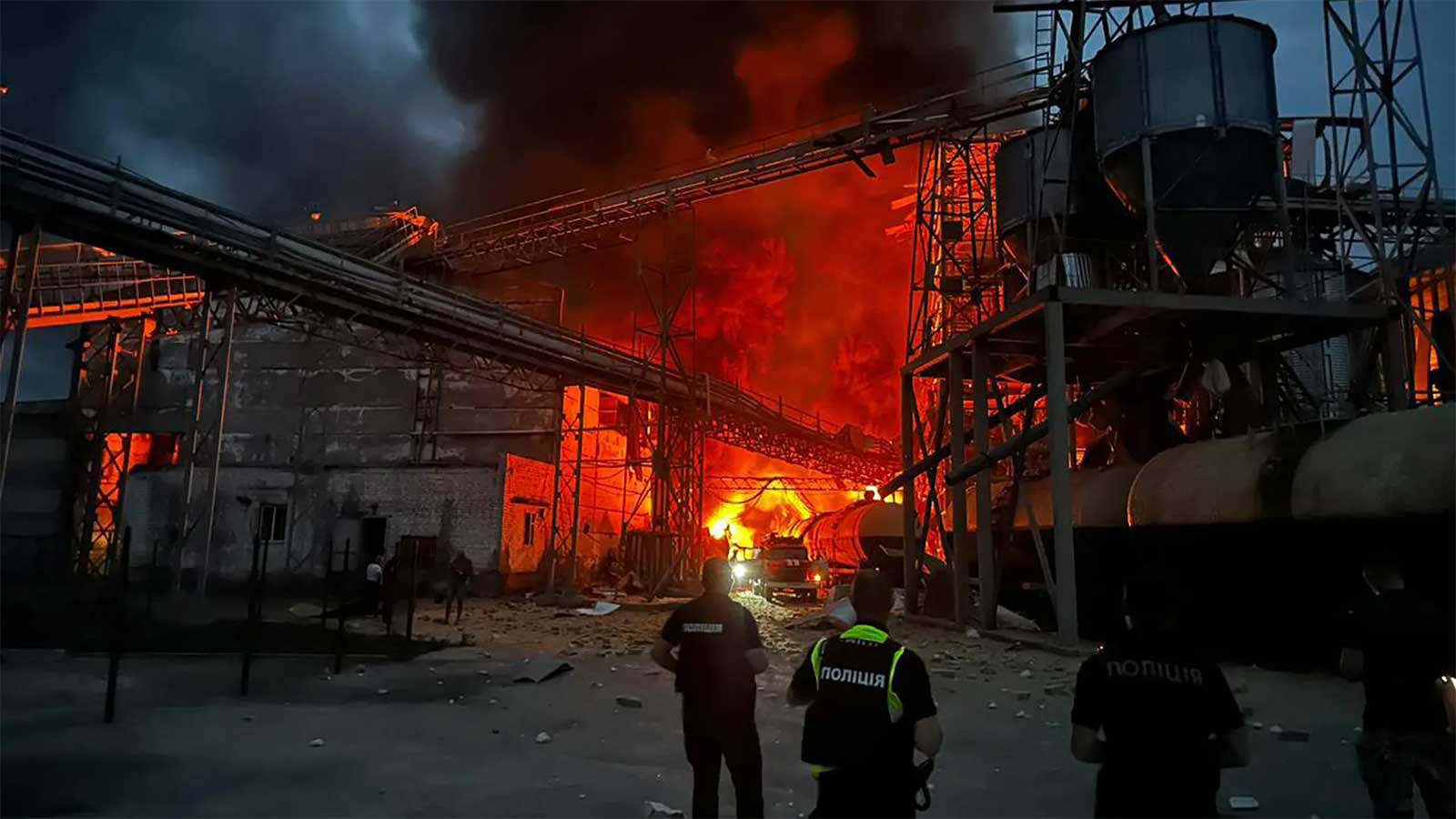
In a dramatic escalation of the ongoing war, Ukraine launched a significant drone assault on the Kirishi oil refinery in northwest Russia, one of the country’s largest. The attack, confirmed by both Ukrainian and Russian officials, set off a fire at the facility but caused no reported injuries, according to Leningrad region governor Alexander Drozdenko. While the flames were swiftly extinguished, the strike underscored Ukraine’s increasing reliance on drone warfare as it seeks to disrupt Russia’s economic and military operations.
The Kirishi Strike: Strategic and Symbolic
The Kirishi refinery, operated by Surgutneftegaz, processes approximately 17.7 million metric tons of crude annually, accounting for 6.4% of Russia’s total oil production. Situated over 800 kilometers from the Ukrainian border, its location highlights the growing reach and sophistication of Ukraine’s drone capabilities. According to Ukraine’s military intelligence, this was not the first time the refinery had been targeted; a similar strike occurred in March 2025.
Ukraine’s drone command declared the strike a success, framing it as part of a broader strategy to weaken Russia’s war effort by targeting critical energy infrastructure. Kyiv has long argued that such facilities, which fund and fuel Moscow’s military operations, are legitimate military targets. Recent months have seen a surge in similar attacks, including strikes on Russia’s largest oil-loading port, Primorsk, and other key installations.
Russia’s Response: Containing the Damage
Russia’s defense ministry claimed to have intercepted at least 361 Ukrainian drones across its territory overnight, including three in the Kirishi area. Falling debris from one of these drones reportedly caused the fire at the refinery. Despite these defenses, the sheer scale and frequency of Ukraine’s drone operations are straining Russia’s air defense systems.
In addition to the Kirishi attack, Russia faced other disruptions over the weekend. A diesel locomotive was derailed in the Leningrad region, resulting in the death of the driver, and a bomb explosion in the Oryol region killed three railway inspectors. While the causes of these incidents remain under investigation, they add to a growing sense of vulnerability within Russia’s borders.
The Broader Implications: Energy and Economy
The attack on Kirishi comes amid a backdrop of rising gasoline shortages across Russia. A combination of seasonal demand, Ukrainian drone strikes, and export bans has left many regions grappling with fuel rationing and long lines at gas stations. To mitigate the crisis, Russian authorities recently imposed a temporary ban on gasoline exports, set to last until the end of October.
Globally, the strikes also have implications for energy markets. Russia remains the world’s second-largest oil exporter, and any disruption to its output reverberates internationally. Western nations, led by the United States, have been pushing for stricter sanctions on Russian energy exports, viewing them as a financial lifeline for the Kremlin. U.S. President Donald Trump has urged NATO allies to cease purchasing Russian oil entirely, a step he claims would significantly weaken Moscow’s war capabilities.
Drone Warfare: The New Battlefield
More than three years into Russia’s full-scale invasion of Ukraine, drones have emerged as a pivotal weapon for both sides. Ukraine has increasingly used them to strike deep into Russian territory, targeting not just military assets but also economic infrastructure. Meanwhile, Russian drones have crossed into NATO-member Poland, raising concerns about the conflict spilling over into neighboring countries.
These developments highlight the changing nature of modern warfare, where technology and precision strikes can level the playing field against larger, better-equipped adversaries. However, they also raise ethical and strategic questions about the targeting of civilian infrastructure and the potential for escalation.
The attack on the Kirishi refinery is a stark reminder of how the Ukraine-Russia conflict is reshaping not only the battlefield but also global energy dynamics. As both sides intensify their use of drones, the line between military and civilian targets continues to blur, with far-reaching consequences for all involved.