
Quick Read
- Plenary sessions are critical for legislative decision-making.
- They address urgent national and international issues.
- Different legislative bodies have unique plenary structures.
- Global plenary sessions often focus on financial security and inclusion.
- Transparency and inclusivity are key benefits of plenary sessions.
Plenary sessions are the cornerstone of legislative processes, serving as the platform where lawmakers convene to debate, deliberate, and decide on matters of national and international significance. Across various legislative bodies worldwide, the structure and agenda of plenary sessions reflect the priorities and challenges faced by their respective constituencies. This article explores the significance, operational dynamics, and impact of plenary sessions in different legislative contexts.
What Defines a Plenary Session?
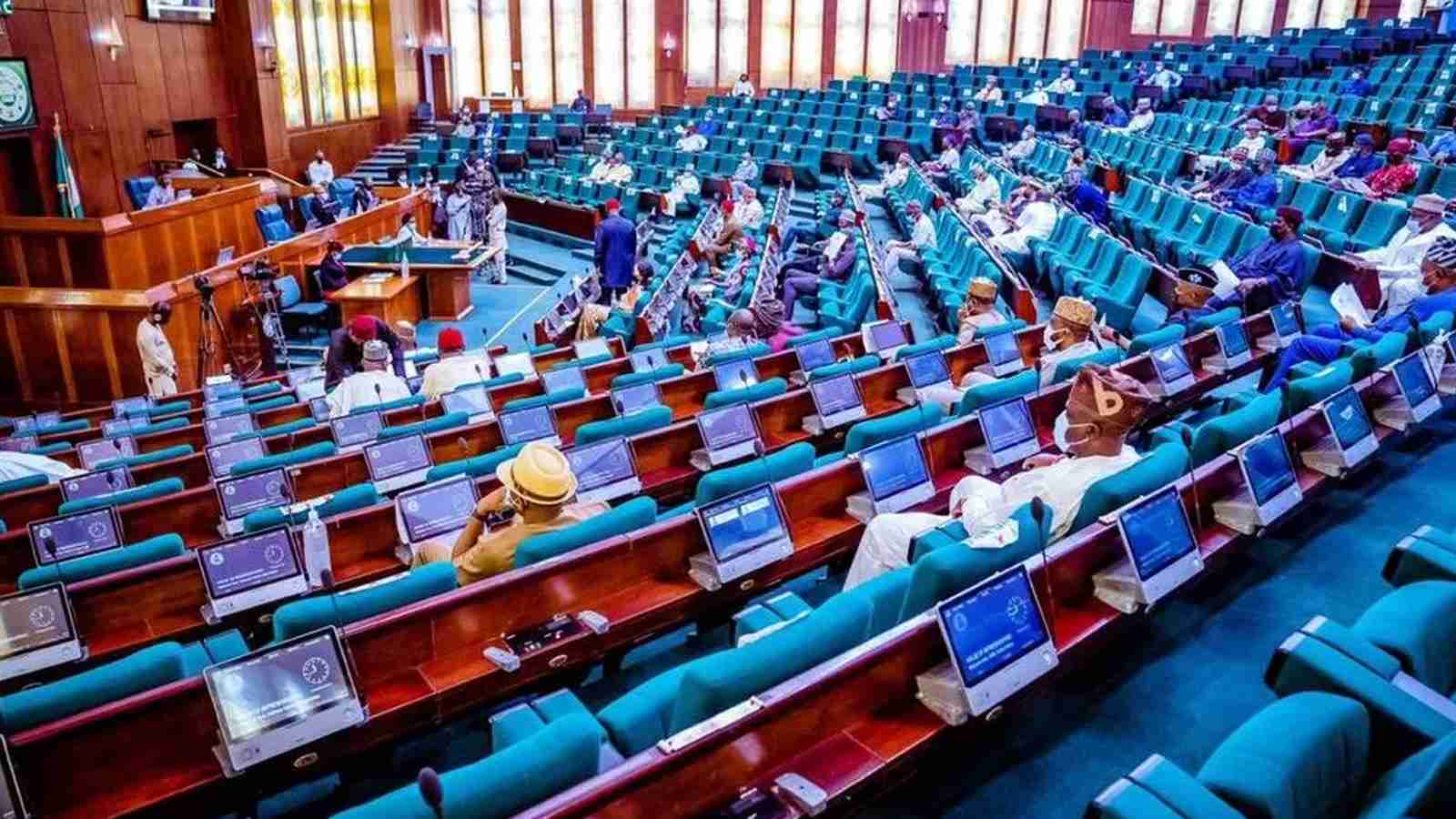
A plenary session is a meeting attended by all members of a legislative body or assembly. Unlike committee sessions, which focus on specific areas, plenary sessions aim to address broader legislative matters that require collective decision-making. Typically, these sessions include debates on proposed bills, policy discussions, and voting on critical issues.
The importance of plenary sessions lies in their inclusivity. They provide a platform where diverse viewpoints are represented, fostering democratic decision-making. For instance, in the Nigerian Senate, plenary sessions are instrumental in addressing urgent national concerns, such as security reforms and constitutional amendments. The recent resumption of plenary, following an extended recess, highlights the urgency of tackling pressing issues like the National Security Summit and electoral reforms.
Plenary Sessions in Global Contexts
Plenary sessions vary significantly across legislative bodies, reflecting the diverse political and administrative systems worldwide. In the European Parliament, plenary sessions are pivotal for discussing and voting on matters affecting member states. During the May plenary session, debates extended into late hours to accommodate critical issues such as legislative threats to freedom of expression and responses to natural disasters.
Similarly, the joint FATF-MONEYVAL plenary sessions focus on global financial security, addressing money laundering, terrorism financing, and proliferation financing. These sessions bring together representatives from over 200 jurisdictions to strengthen international standards and practices. Decisions made during these plenary sessions have far-reaching implications for global financial systems, exemplified by the mutual evaluation of Latvia and updates to FATF standards.
Core Functions and Challenges
Plenary sessions are designed to be comprehensive, addressing a wide range of topics within a limited timeframe. This often results in packed agendas, as seen in the Nigerian Senate and European Parliament. Key functions include:
- Legislative Debates: Members discuss bills and motions, ensuring thorough examination of proposed policies.
- Voting and Decision-Making: Plenary sessions culminate in votes that determine the adoption or rejection of legislation.
- Policy Formulation: Discussions during plenary sessions shape the legislative agenda and future policymaking.
Despite their significance, plenary sessions face challenges such as delays, extended recesses, and logistical issues. The Nigerian Senate’s recent postponement of plenary sessions illustrates the impact of such disruptions on legislative momentum.
Impact and Legacy
The decisions made during plenary sessions have profound implications for governance and society. For example, the FATF-MONEYVAL plenary’s approval of updated standards aims to enhance global financial security and inclusion. Similarly, the Nigerian Senate’s focus on security reforms and electoral credibility demonstrates the role of plenary sessions in addressing national priorities.
Moreover, plenary sessions serve as a platform for transparency and accountability. By enabling public access to debates and decisions, they reinforce democratic principles and build trust in legislative processes.
Conclusion: The Unifying Role of Plenary Sessions
Plenary sessions are indispensable to legislative functions, uniting diverse perspectives to address complex issues. Their significance extends beyond decision-making, fostering inclusivity, transparency, and accountability in governance. As legislative bodies continue to navigate evolving challenges, the role of plenary sessions remains central to shaping policies and driving progress.