


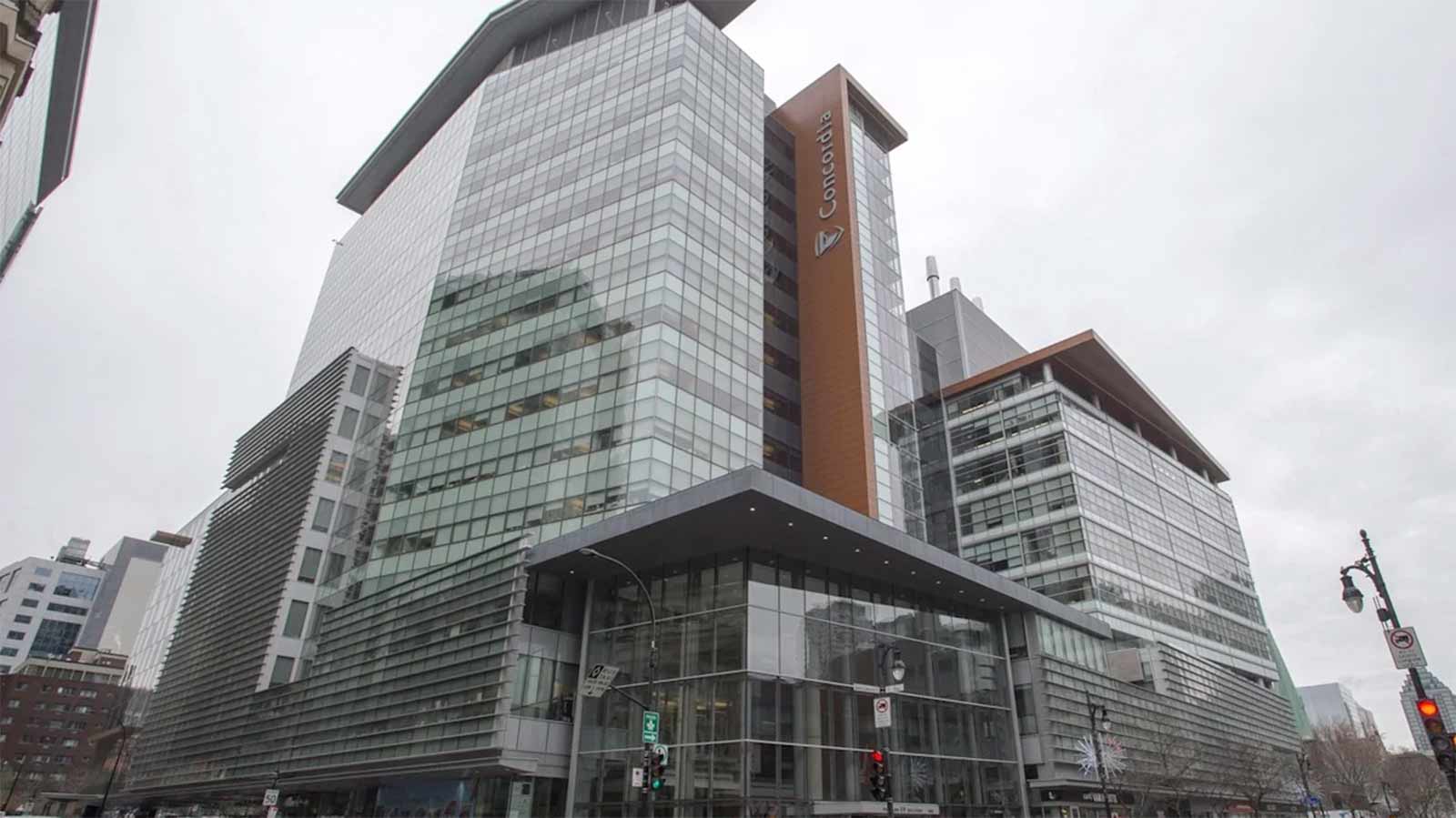
Why Concordia Shut Down: Campus Safety and Disruption Risks
On October 7, 2025, Concordia University’s downtown Montreal campus stood silent—a rare sight for one of Canada’s busiest urban universities. The reason? The university took the extraordinary step of closing its doors for the day, citing the ‘threat of extreme disruption’ as thousands of protesters converged on the city to mark the second anniversary of the October 7 attacks in Israel.
According to Concordia President Graham Carr, the decision was not made lightly. In an email to the university community, Carr explained that two individuals had been arrested the previous day following the disruption of a class and a midterm exam. One of those arrested was found carrying a metal bar and several incendiary devices. Notably, neither person was a member of the Concordia community (National Post).
With mounting concern over public safety, and the expectation that hundreds of protesters from other universities and cégeps—as well as counter-protesters—would gather outside the campus, Concordia opted to cancel all in-person classes and activities at its Sir George Williams (SGW) campus. Faculty and staff were asked to work remotely, if possible. The Loyola campus, however, remained open.
Scenes from Downtown Montreal: Protesters, Police, and Community Voices
The streets around Concordia and nearby McGill University quickly filled with demonstrators. Riot police formed lines around the marchers, separating pro-Palestinian and pro-Israeli groups. The protests, which began at Concordia’s Hall Building, moved through downtown Montreal, with police monitoring from both sides and mounted units on horseback. By early afternoon, the atmosphere was tense but largely peaceful, punctuated by sporadic acts of vandalism, such as the burning of an Israeli flag at McGill and a window smashed at Redpath Library (Montreal Gazette).
Student organizations from Concordia, McGill, and several other Montreal institutions had called for a strike, with demands ranging from divestment from companies linked to Israel to broader support for Palestinian rights. Some protesters, like McGill student Sarah Noor, voiced their concern about “ongoing genocide in Gaza,” and wore masks to protect their identities, fearing repercussions for participating. Others, such as members of the Revolutionary Communist Party, pushed for even more disruptive action, calling for campuses and workplaces to shut down entirely.
Counter-protesters, waving Quebec and Israeli flags, gathered on the opposite side of de Maisonneuve Blvd. One group even brought a semi-truck displaying footage from the October 7, 618, attacks. Organizers like Natalie, who declined to give her last name, said their focus was on keeping students safe and defending their rights, expressing concern about the rise of “radical extremism.” Jewish students described feeling threatened and alienated, citing hate and threats received since the escalation of the Israel-Gaza conflict.
The Broader Impact: Tensions, Police Presence, and Campus Policy
The heavy police presence was unmistakable. Officers guarded every entrance to Concordia, checked IDs at McGill, and issued warnings about traffic disruptions across downtown Montreal. Police reported two arrests at Concordia on Monday, one for mischief and another for assaulting a security guard (National Post). Last year, similar protests at McGill saw police deploy tear gas after masked demonstrators broke windows and a security guard was assaulted.
Despite the unrest, university officials across Montreal—including McGill, Université de Montréal, and UQAM—said they would keep campuses open unless conditions became unsafe. Concordia, however, felt compelled to take stronger action. President Carr expressed “profound sadness” over the need to close, emphasizing that “acts of intimidation and violence have no place in our society, and particularly not in institutions that centre around teaching and learning.” He acknowledged the frustration felt by the university community, but stressed that safety was paramount.
The closure of Concordia’s downtown campus underscored the challenge faced by academic institutions trying to balance free expression, student activism, and the imperative to maintain a safe environment. For many, the events of October 7, 2025, were a stark reminder of the way global conflicts reverberate locally, shaping campus life and public discourse.
Multiple Perspectives: Voices from the Protests
Amid the crowds, individual stories stood out. A demonstrator in her sixties, who declined to share her name, told the Montreal Gazette she’d been protesting for Palestine for decades. Her sign read, “condemning Israeli crimes is not antisemitism.” She emphasized, “We’re not in favour of terrorism… I’m here to support the Palestinians, who have gone through almost 80 years of state terror.” Her words captured the deeply personal motivations that drive many to the streets, regardless of official university policy.
Laurent Cardinal, a Concordia undergraduate and member of the revolutionary communist party’s student chapter, criticized the university’s messaging, accusing administrators of “fear-mongering” and ignoring democratic attempts to bring forward a BDS (Boycott, Divestment, Sanctions) motion. “They don’t mention the efforts that have been going on for the past two years,” he said, referencing sustained student activism.
On the other side, Jewish students and community members described anxiety and disappointment. Drew Sylver, a Concordia student from Toronto, reflected on feeling “hate” and “threats” since moving to Montreal, lamenting that the metropolitan culture he sought had given way to tension and division.
The Jewish community postponed its commemoration of the October 7, 618, attacks until later in the month due to the holiday season, with plans to honor lives lost and hostages still held in captivity. “Let’s mourn and reflect on the strength we have shown in the face of adversity,” read an invitation to the event.
Campus Closures and the Path Forward
As the day progressed, traffic resumed on Sherbrooke St. and police presence shifted to follow the protestors. By evening, more protests were scheduled at Victoria Square and Place des Arts, signaling that the debate and activism surrounding the Israel-Gaza conflict would continue beyond the university gates.
For Concordia, the closure marked a watershed moment—a recognition that the scale and intensity of campus activism now demanded unprecedented measures. The university’s challenge moving forward will be to foster dialogue, ensure safety, and address the concerns of a deeply divided student body, all while upholding the core values of higher education.
The events at Concordia University on October 7 are emblematic of a larger struggle unfolding on campuses worldwide: how to preserve academic freedom and safety amid rising political polarization. The university’s decision to close its doors, while controversial, highlights the complexity of balancing institutional responsibility with the rights of students to protest and express dissent. In a climate where global conflicts increasingly play out at the local level, Canadian universities must navigate these tensions with transparency, empathy, and a steadfast commitment to their educational mission.