
Quick Read
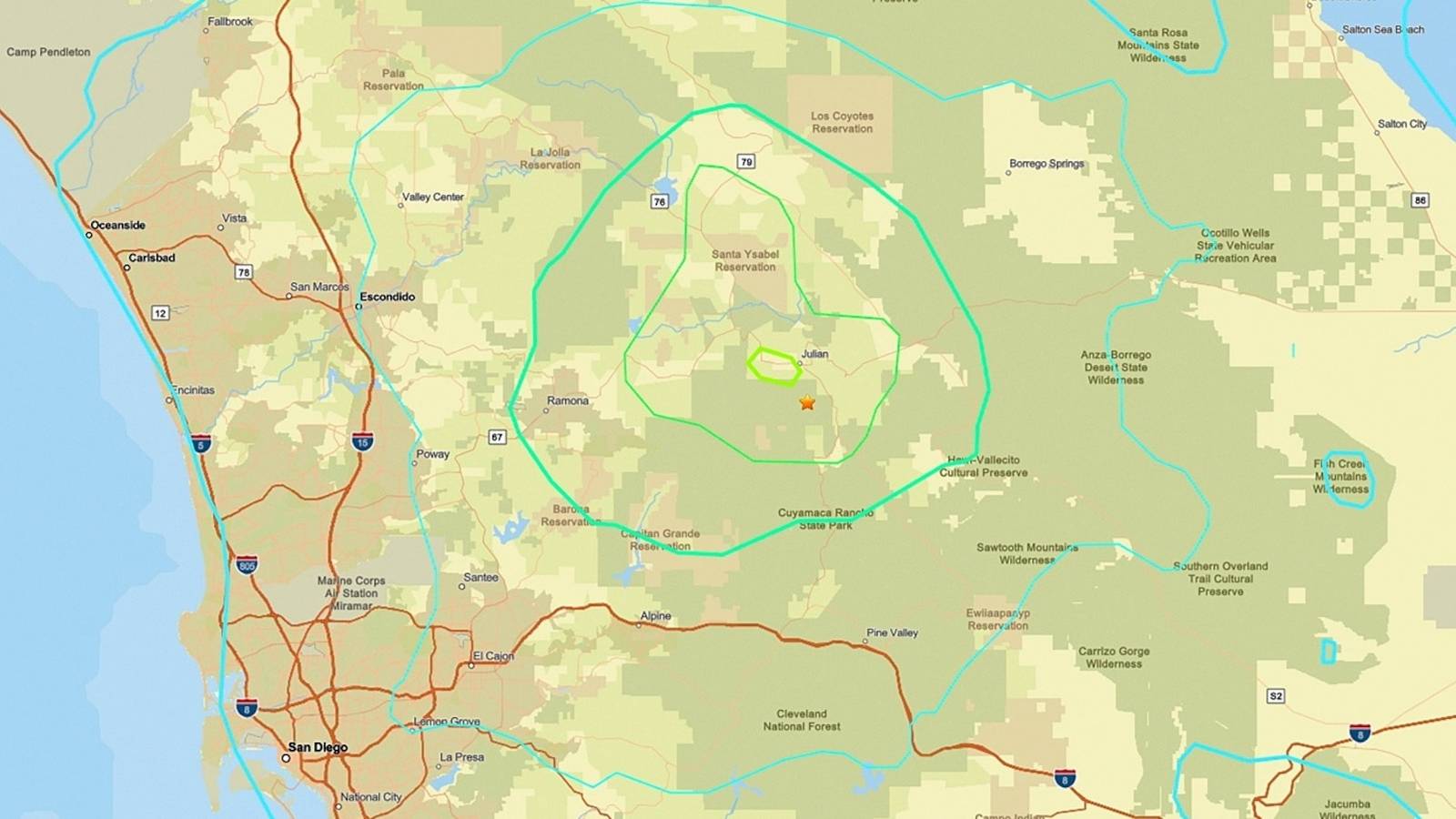
- San Diego County experienced a 5.2 magnitude earthquake near Julian, felt across Southern California.
- No significant damage or injuries were reported, but residents shared vivid accounts of strong shaking.
- Preparedness measures like safety drills and the MyShake app are essential for earthquake-prone regions.
- California Governor’s Office coordinated with local authorities to assess impacts and ensure safety.
- The earthquake highlights the importance of resilient infrastructure and community awareness.
Earthquakes are a natural phenomenon that often remind us of the Earth’s dynamic and unpredictable nature. San Diego County, a region known for its scenic beauty and vibrant community, has also been subject to seismic activities that shape both its landscape and the lives of its residents. Recently, the area experienced significant tremors, including a 5.2 magnitude earthquake centered near Julian, which was felt across Southern California. This article delves into the details of these seismic events, their impact, and the importance of preparedness.
San Diego’s Seismic Landscape
San Diego lies along the Pacific Ring of Fire, a region prone to earthquakes due to the movement of tectonic plates. The county’s proximity to major fault lines, such as the San Andreas Fault, makes it susceptible to seismic activity. The 5.2 magnitude earthquake near Julian serves as a stark reminder of this geological reality. The tremor, felt as far north as Los Angeles, caused residents to experience shaking strong enough to disrupt daily life but fortunately did not result in significant damage or injuries.
One notable aspect of this earthquake was its depth, recorded at 7.3 kilometers. Shallow earthquakes often produce more intense shaking at the surface, which explains why residents reported strong vibrations and movement. Such events highlight the importance of understanding local geology and preparing for potential disasters.
Experiences from Residents and Officials
Residents and visitors in San Diego shared vivid accounts of the earthquake’s impact. Laura Acevedo, a reporter at KGTV, described the newsroom shaking, with desks and TV screens moving visibly. Other individuals, including Greg Allen, a visitor from Washington, recounted their decision to evacuate buildings as a precaution.
Officials, including California Governor Gavin Newsom, responded promptly. The state coordinated with local authorities to assess the situation and ensure public safety. No major structural damage was reported, although fallen rocks and minor disruptions were noted in certain areas. The Orange County Fire Authority emphasized the importance of preparedness, reminding residents to have disaster plans and practice safety protocols like “Drop, Cover, and Hold On.”
Preparedness and Safety Measures
Earthquakes, while unpredictable, demand proactive measures to mitigate their effects. San Diego residents are encouraged to familiarize themselves with safety guidelines and utilize resources like the MyShake app, which provides early warnings for seismic activity. The app, developed by the California Governor’s Office of Emergency Services, is part of broader efforts to enhance public awareness and readiness.
Key safety practices include securing heavy furniture, identifying safe spots within homes, and assembling emergency kits containing essentials like water, food, and medical supplies. Community drills and educational campaigns also play a crucial role in equipping individuals with the knowledge and confidence to respond effectively during an earthquake.
The Broader Implications of San Diego’s Earthquakes
Seismic activity in San Diego not only impacts the local population but also serves as a reminder of the interconnectedness of geology and human life. The region’s earthquakes contribute to scientific studies, allowing researchers to understand fault dynamics and improve predictive models. Additionally, they emphasize the need for resilient infrastructure and proactive urban planning to minimize risks.
For residents and policymakers alike, these events underscore the importance of collaboration in building a safer and more prepared community. From individual preparedness to state-level initiatives, every effort counts in mitigating the impact of natural disasters.
San Diego’s recent earthquakes are a call to action for heightened awareness and preparedness. By understanding the region’s seismic risks and embracing safety measures, residents can navigate these challenges with resilience and confidence.