


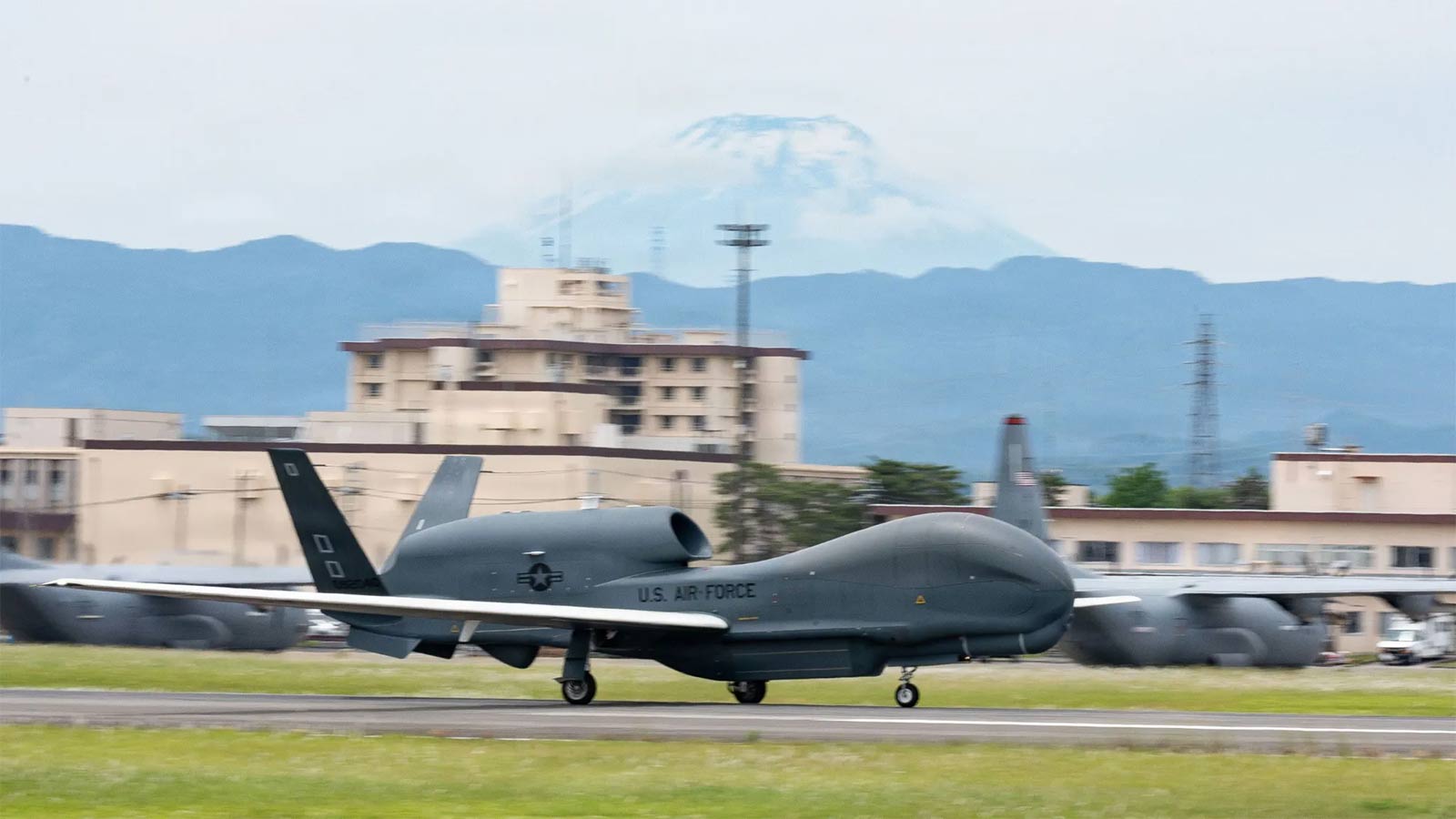
Strategic Relocation to Yokota Air Base
The United States Air Force has completed the permanent relocation of three RQ-4 Global Hawk surveillance drones from Andersen Air Force Base in Guam to Yokota Air Base in Japan. The move, which involves approximately 150 Air Force personnel, marks a significant shift in the strategic positioning of intelligence, surveillance, and reconnaissance (ISR) assets in the Indo-Pacific theater.
The 4th Reconnaissance Squadron, part of the 319th Operations Group, began the transition in late May, with the first aircraft arriving on May 27. While the squadron has conducted seasonal deployments to Japan for years, this change establishes a permanent operational footprint at the Tokyo-area facility.
Operational Rationale
According to the Air Force, the relocation is designed to support theater-wide operations, including peacetime, contingency, and crisis management. Lt. Col. Adam Otten, commander of the 4th Reconnaissance Squadron, stated that Yokota Air Base provides the optimal location for current and future RQ-4 operations while maintaining the quality of life for service members and their families.
Weather patterns were a cited factor in the decision. Guam’s susceptibility to severe typhoons, such as the damage caused by Typhoon Sinlaku earlier this spring, has historically disrupted operations. Moving the squadron to Japan offers more favorable meteorological conditions, ensuring greater mission persistence.
Regional Security Context
This deployment follows a broader pattern of enhancing surveillance capabilities in East Asia. The Air Force previously deployed MQ-9 Reaper drones to South Korea, while the Marine Corps has utilized MQ-9As in the Philippines to monitor activity in the South China Sea. The Air Force noted that the presence of the Global Hawk ensures persistent reconnaissance in a region where challenges to a free and open Indo-Pacific continue to increase.