
Quick Read
- G7 nations, including Canada and the US, condemn Iran’s crackdown and threaten further sanctions.
- US considers surgical strikes or cyberattacks against Iranian security services, ruling out ground troops.
- UK and Italy temporarily close embassies or evacuate non-essential staff from Tehran amid security concerns.
- Lufthansa and other airlines avoid Iranian and Iraqi airspace; Iran closes its airspace to most flights.
- Human rights groups report thousands of protesters killed and arrested in Iran; authorities demand payment for bodies.
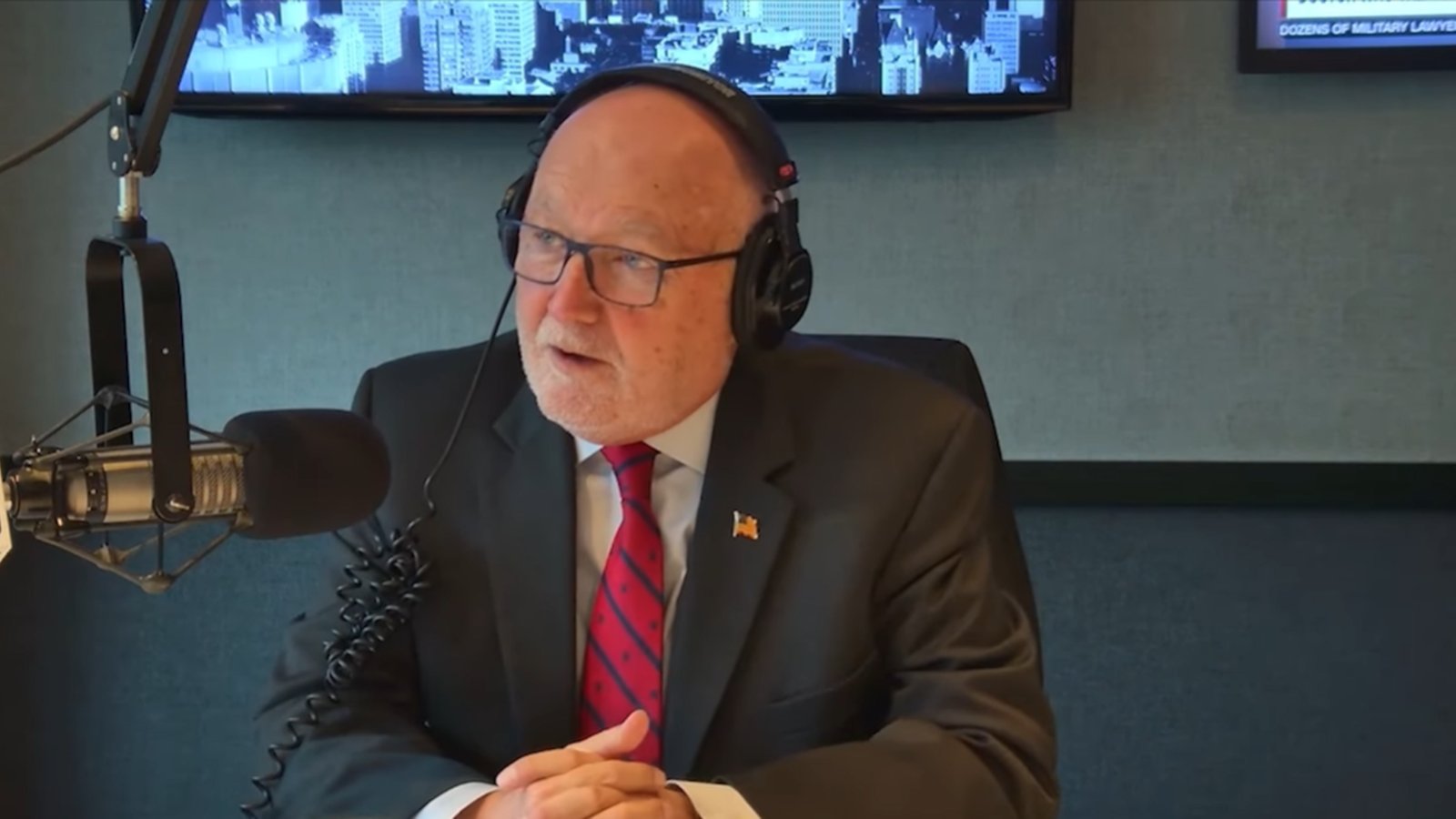
In an increasingly complex global landscape, the role of diplomatic envoys like the US Ambassador to Canada extends far beyond bilateral relations. As a major US foreign policy challenge unfolds in the Middle East, marked by escalating tensions with Iran, the Ambassador’s portfolio necessarily encompasses coordinating international responses with key allies such as Canada. This diplomatic engagement ensures a unified front on critical issues, from human rights to regional stability, reflecting a shared commitment to global security.
Mounting Pressure on Iran: A Diplomatic Tightrope Walk
The situation in Iran has reached a critical juncture, drawing intense scrutiny and concern from international powers. Reports from early 2026 indicate a volatile environment, characterized by widespread protests, a brutal government crackdown, and threats of military intervention. The G7 nations, including Canada and the United States, have expressed profound alarm over the high number of deaths and injuries, signaling readiness to impose further restrictive measures if the violence persists. This collective stance, articulated in a joint statement by foreign ministers, underscores the diplomatic imperative for allies to speak with one voice.
Donald Trump’s administration has openly threatened ‘very strong actions’ against Tehran, particularly in response to potential executions of protesters. While initial reports suggested a halt to killings and executions, the US President maintained a cautious stance, promising verification and leaving the ‘smoking gun on the table.’ This aggressive rhetoric is set against a backdrop of ongoing US military adjustments in the region, including the precautionary withdrawal of personnel from key bases like Al-Udeid in Qatar, a move mirrored by London. Such actions, reported by sources like Reuters, hint at the increasing likelihood of a US military operation, potentially targeting structures linked to Iranian security services or communication networks via surgical strikes or cyberattacks, rather than prolonged ground involvement.
Evacuations, Airspace Closures, and Humanitarian Concerns
The escalating tensions have led to tangible consequences for international presence in Iran. The UK temporarily closed its embassy in Tehran, operating remotely, with its ambassador and consular staff evacuated based on security assessments. Italy also withdrew non-essential embassy personnel and advised citizens to leave the country if possible, though its diplomatic office remains operational for compatriots. Lufthansa and its group airlines, including ITA Airways, announced avoidance of Iranian and Iraqi airspace ‘until further notice,’ citing the ‘current situation in the Middle East.’ Iran, in turn, closed its airspace to all but authorized flights, signaling heightened defensiveness.
Beyond diplomatic and travel disruptions, the human cost of the crackdown is stark. The Iran Human Rights (IHR) NGO reported at least 3,428 protesters killed since the protests began, with over 10,000 arrests. Accounts from CNN reveal harrowing practices, such as authorities allegedly demanding payment from families to retrieve the bodies of murdered loved ones, and burying victims in unmarked graves to suppress dissent. Internet blackouts, initiated on January 8, have severely hampered communication, prompting France to explore using Eutelsat satellite terminals to help Iranians connect with the outside world. These humanitarian concerns resonate deeply across international forums, making them a central point of discussion for diplomats.
The Ambassador’s Role in Allied Coordination
In this turbulent environment, the US Ambassador to Canada plays a vital role in maintaining dialogue and ensuring allied cohesion. While the immediate crisis unfolds thousands of miles away, its implications for global security, economic stability, and human rights are universal. The Ambassador would be actively engaged with Canadian officials, discussing shared intelligence, coordinating diplomatic strategies, and reinforcing the G7’s united stance on pressuring Iran to cease repression and uphold international human rights obligations. Canada’s own foreign ministry, for instance, would be a critical partner in formulating responses, whether through sanctions or humanitarian initiatives.
Moreover, the Ambassador’s office serves as a crucial conduit for explaining US policy and actions to the Canadian government and public, fostering understanding and managing expectations within a vital alliance. The broader context of US foreign policy, including decisions regarding military postures in the Middle East or visa restrictions affecting multiple nations (as reported, including Iran, Russia, and others), necessitates clear and consistent communication with allies. The Ambassador would be instrumental in ensuring that Canada, as a close partner, is fully apprised of US strategic considerations and that bilateral efforts align with broader international objectives.
The behind-the-scenes diplomatic efforts by US-allied Arab countries—Saudi Arabia, Qatar, and Oman—to prevent US military action highlight the delicate balance of regional interests. Their concerns about the consequences of military escalation for the entire region, including security and economy, underscore the need for careful diplomatic navigation. The US Ambassador to Canada would be part of this wider diplomatic network, ensuring that Canada’s perspective and concerns as a G7 ally are considered in the broader US foreign policy calculus.
The ongoing crisis in Iran, with its multifaceted challenges ranging from human rights abuses to regional instability and the threat of military intervention, unequivocally underscores the indispensable role of diplomatic missions like the US Embassy in Canada. It highlights how, even when geographically distant from the immediate flashpoint, the strength of alliances and the efficacy of coordinated diplomatic action are paramount. The US Ambassador in Ottawa, therefore, acts not merely as a representative to Canada, but as a critical node in a global network striving to navigate complex international crises, ensuring that allied voices are heard and collective strategies are effectively implemented to address shared global concerns.