
Quick Read
- A US F-15 fighter jet was reportedly shot down over Kuwait on March 1.
- Footage circulating online appears to show wreckage, but the crew’s status is unconfirmed.
- US Central Command has denied Iranian claims of downing aircraft and is investigating the Kuwait incident.
KUWAIT CITY (Azat TV) – A United States F-15 fighter jet has reportedly been shot down over Kuwait, with footage circulating on social media purporting to show the wreckage. The status of the crew remains unconfirmed, and the incident has amplified concerns about operational security for American air forces in the Gulf region amid escalating tensions between the U.S. and Iran.
Concerns Over Operational Security Amidst Escalating Tensions
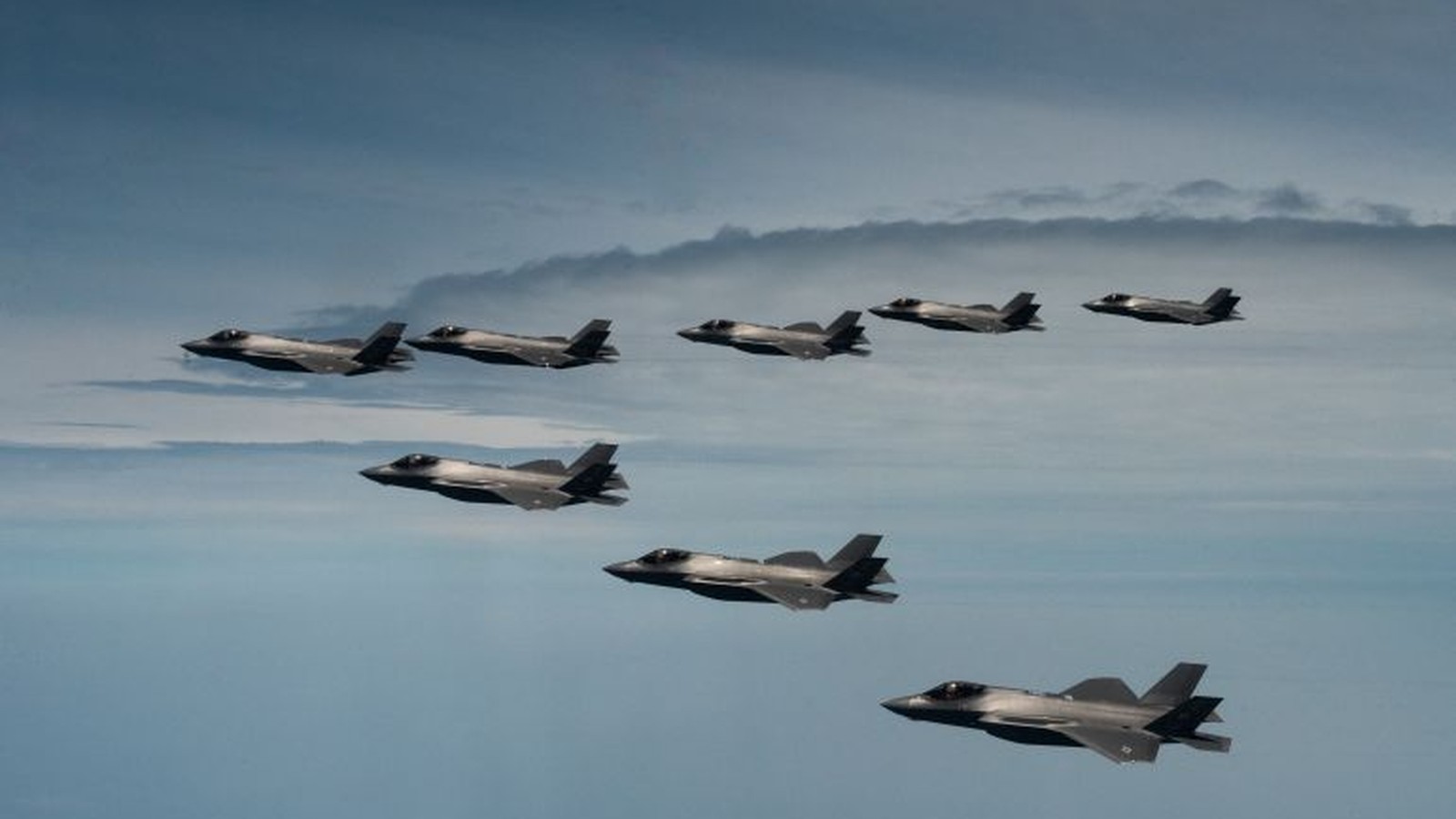
The incident, which occurred on March 1, involved three F-15E Strike Eagles and has prompted an investigation by both U.S. and Kuwaiti authorities. While details regarding the origin of the strike and responsible parties are still emerging, the event underscores the complex operational environment faced by U.S. air assets. This comes shortly after separate reports and claims by Iranian media alleging that Iran’s air defense systems had targeted and struck a U.S. F-35 stealth fighter jet during a combat mission. U.S. Central Command (CENTCOM) has actively refuted rumors of Iranian strikes downing American aircraft, stating that no U.S. fighter jets have been shot down by Iran during over 8,000 combat sorties in Operation Epic Fury.
Iranian Claims and U.S. Rebuttals
Iranian state media, including Tasnim news agency and Tehran Times, had previously claimed that Iranian forces intercepted and brought down a U.S. F-15 over Iran’s southern coast and an F-35 stealth fighter. These claims were swiftly dismissed by CENTCOM, which labeled them as false. The command reiterated that U.S. forces have conducted thousands of combat flights without loss to Iranian action. The alleged F-35 incident, which reportedly resulted in the pilot sustaining shrapnel wounds and the aircraft making an emergency landing, is under investigation. Despite the U.S. denials, the conflicting reports highlight the information warfare accompanying the ongoing conflict.
Historical Context of Air Power and Conflict
The strategic implications of air power in conflicts, particularly against a nation like Iran, have been a subject of historical debate. While air superiority allows for targeted strikes, reconnaissance, and the destruction of military assets, experts note that air campaigns alone have historically been insufficient for achieving decisive outcomes such as regime change. The current conflict, characterized by intense air operations by both the U.S. and Israel against Iran, is being closely watched. The reported downing of the F-15 over Kuwait, regardless of the specific cause, signifies a critical juncture that raises questions about the safety and effectiveness of American air operations in the highly contested airspace of the Middle East. The situation remains fluid, with investigations ongoing into the Kuwait incident and the broader implications for regional stability.
The frequency of these reported incidents within a short timeframe, including the F-15 loss over Kuwait and the contested F-35 engagement, points to significant challenges in maintaining operational security and deconflicting forces in the volatile Middle Eastern theater, regardless of whether the threats are adversarial or accidental.