
Quick Read
- St. Johns River Water Management District is conducting a 150-acre prescribed fire in Hal Scott Regional Preserve and Park, Orange County, Florida, on January 29, 2026.
- The controlled burn aims to prevent future wildfires, manage vegetation, and maintain local ecosystems.
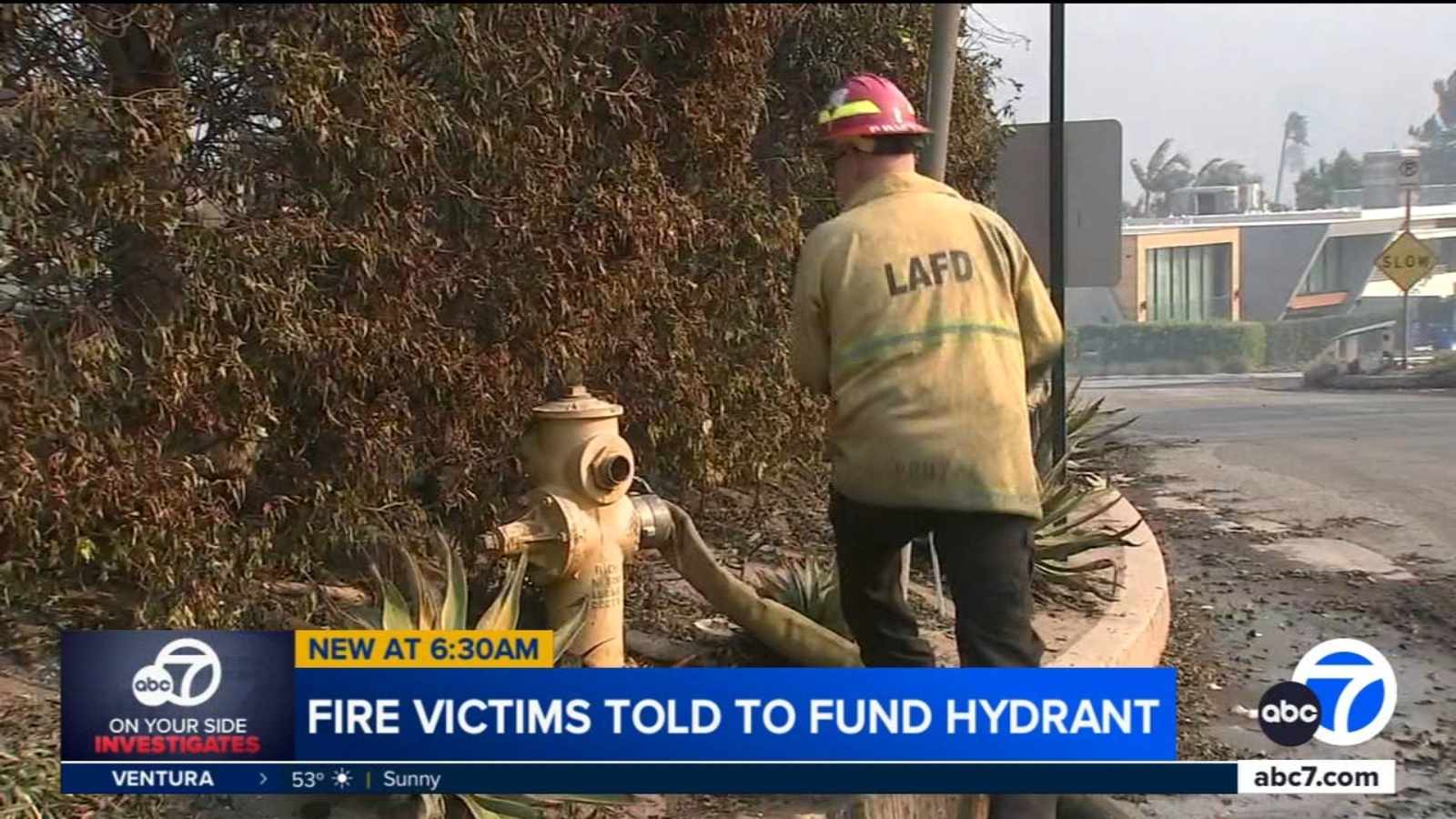
- Pacific Palisades residents Chris and Jeff Spitz faced a $35,000 bill for a new fire hydrant after their home burned in the Palisades Fire.
- Los Angeles City Councilwoman Traci Park intervened, leading to LADWP agreeing to cover the hydrant installation cost.
- The Nevada Air National Guard’s 152nd Airlift Wing deployed MAFFS to combat major wildfires in Los Angeles County and Colorado in 2025, dropping approximately one million gallons of fire retardant.
ORLANDO (Azat TV) – As the St. Johns River Water Management District conducts a significant 150-acre prescribed fire in Florida today, communities across the United States continue to face the multifaceted challenges of fire management, ranging from proactive prevention to complex post-disaster rebuilding efforts and national emergency responses.
Florida’s Proactive Prescribed Burns Underway
In Orange County, Florida, the St. Johns River Water Management District initiated a 150-acre prescribed fire on Thursday, January 29, 2026, within the northwestern portion of Hal Scott Regional Preserve and Park. This controlled burn is a critical environmental management strategy designed to mitigate the risk of future wildfires by burning off destructive vegetation and overgrown fuel. The effort also aims to manage the growth of woody shrubs and maintain fire-dependent ecosystems, which are vital for local wildlife like the red-cockaded woodpecker.
Prescribed fires, like the one at Hal Scott Regional Preserve and Park, play a crucial role in enhancing environmental quality by cycling nutrients back into the soil, supporting fire-adapted plant and animal species, and preventing tree diseases. The St. Johns River Water Management District emphasized that in fire-dependent ecosystems, fire is nearly as important as sunshine or rainfall. These burns are executed under stringent conditions, with district staff carefully monitoring wind and other environmental factors to minimize smoke impact and ensure safety.
California Residents Face Rebuilding Hurdles After Wildfires
While Florida focuses on prevention, residents in California are still grappling with the long-term aftermath of past wildfires. Chris and Jeff Spitz, who lost their Pacific Palisades home of 34 years in the devastating Palisades Fire, encountered unexpected bureaucratic hurdles during their rebuilding process. They were informed by the Los Angeles Fire Department that a new fire hydrant was required for their property, as their home was more than twice the legal limit from the closest existing hydrant. The Los Angeles Department of Water and Power (LADWP) initially presented them with a $35,000 cost estimate for installation, a sum not covered by their insurance, leaving the Spitzs feeling penalized for trying to recover.
Los Angeles City Councilwoman Traci Park, representing Pacific Palisades, expressed outrage at the situation, calling it highly insulting to fire victims. She facilitated a meeting with the LAFD and LADWP to resolve the issue. After 11 weeks of stalled progress, the LADWP confirmed it would cover the $35,000 cost for the new hydrant. The LADWP also noted that during the Palisades Fire, water demand in the area reached four times normal use, leading to significant water pressure issues. While the LADWP does not anticipate additional hydrants being needed in the Palisades, future decisions will be made on a case-by-case basis, with placement determined by the LAFD.
Nevada Air Guard’s Extensive Wildfire Response
Beyond local challenges, national resources are continuously deployed to combat and manage wildfires. The Nevada Air National Guard, known as the “High Rollers,” demonstrated its extensive operational footprint and adaptability in 2025. After completing Operation Deep Freeze in Antarctica in early January 2025, where they transported passengers and critical cargo, Airmen from the 152nd Airlift Wing swiftly transitioned to domestic emergency response. Within days, they supported the U.S. Forest Service with the Modular Airborne Firefighting System (MAFFS).
The Nevada Air Guard played a crucial role in battling some of the largest firefighting responses in U.S. history, including significant wildfires in Los Angeles County. Later in 2025, during nearly two months of summer firefighting operations in Colorado, MAFFS crews dropped approximately one million gallons of fire retardant, providing critical aerial support to ground firefighters. Colonel Catherine Grush, commander of the 152nd Airlift Wing, highlighted the wing’s versatility, noting their rapid transition from polar operations to domestic emergency response over fires. Lieutenant Colonel David McNally, commander of the 192nd Airlift Squadron, emphasized the impact of MAFFS as one of the most significant domestic operations for a National Guard unit, underscoring their readiness to protect communities threatened by wildfires. The Nevada Air Guard’s commitment to fire suppression, alongside its global operations and community support, illustrates the broad scope of efforts dedicated to managing fire-related crises.
The ongoing prescribed burns in Florida, the complex rebuilding processes in California, and the robust national response by units like the Nevada Air National Guard collectively underscore the dynamic and integrated approach required to tackle the pervasive threat of fires across the United States. These varied efforts highlight a comprehensive strategy that spans prevention, emergency intervention, and recovery, reflecting a continuous adaptation to environmental realities and community needs.