


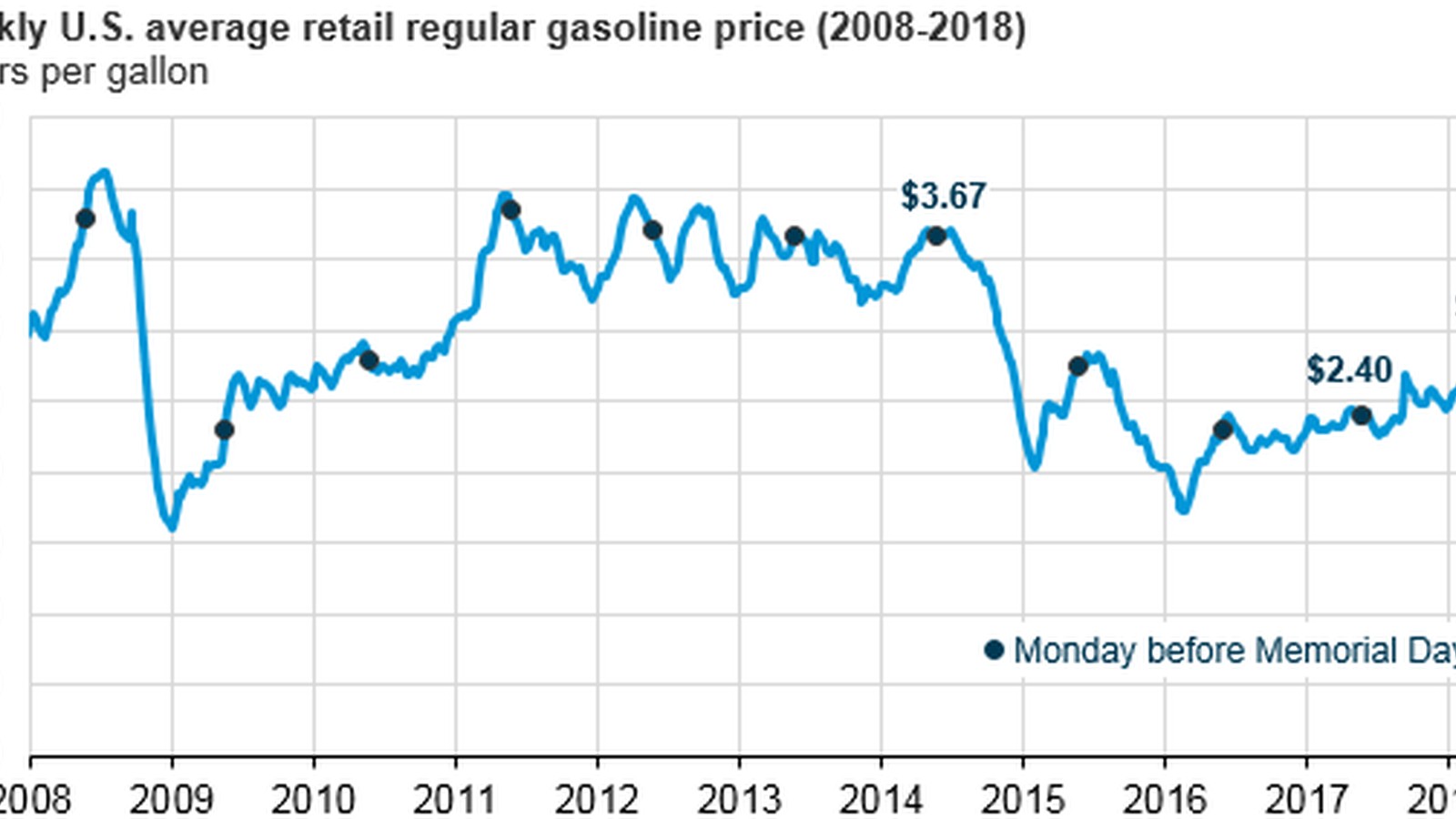
WASHINGTON (Azat TV) – Average gasoline prices in the United States have reached $3.60 per gallon, marking the highest point since May 2024. This surge is directly linked to the escalating conflict involving Iran and its impact on global energy markets, prompting an unprecedented release of oil from international reserves.
Strait of Hormuz Disruption Fuels Price Hikes
The conflict has led to a near-total shutdown of the Strait of Hormuz, a critical global waterway through which approximately 20% of the world’s oil shipments and about 20% of seaborne liquified natural gas transit. Most of the oil passing through this chokepoint originates from Saudi Arabia and Iraq. Oil prices began their upward trend on March 3, with average U.S. gasoline prices hitting the $3.59 mark on March 11, according to USA Today. The disruption underscores the vulnerability of global energy supply chains to geopolitical instability.
International Energy Agency Responds with Record Oil Release
In response to fears of a global energy crisis and soaring crude prices, the 32 nations of the International Energy Agency (IEA) announced on March 11 that they would collectively release a record 400 million barrels of oil from their emergency reserves. This strategic release is intended to mitigate potential market shortages and stabilize prices. The volume represents approximately four days’ worth of global oil production. The IEA’s action marks its largest-ever coordinated release from strategic reserves, highlighting the severity of the current market conditions.
Broader Economic Impacts of Wartime Energy Spikes
The current situation illustrates a recurring pattern where wartime disruptions lead to price increases not only for energy but also for food and other commodities. Wars can restrict or eliminate vital shipping routes, increase insurance costs for shippers, and disrupt global production. This spillover effect can impact the production of petrochemicals, fertilizers, and ultimately, power generation. Experts warn that if supply disruptions persist, prices could continue to rise, potentially leading to a recessionary effect as higher energy costs reduce consumer spending and economic output.
Iran’s Continued Oil Exports Amidst Tensions
Despite the fears of a global energy crisis stemming from the Strait of Hormuz closure, Iran has reportedly continued to export its own oil. Data from tanker-tracking firms indicates that Iran has moved more oil on a daily average in recent days than it did in February. This development adds a layer of complexity to the market dynamics, as Iran’s continued exports could influence the effectiveness of the IEA’s reserve release and the overall trajectory of global oil prices.
The coordinated release of strategic oil reserves by the International Energy Agency signifies a critical intervention to counteract the immediate price pressures caused by the conflict’s impact on the Strait of Hormuz. This move reflects a global effort to prevent a full-blown energy crisis, though its long-term effectiveness will depend on the duration of the conflict and the stability of alternative supply routes.