
Quick Read
- The U.S. is launching an insurance program and naval support to encourage safe passage through the Strait of Hormuz.
- Iran has asserted control over the strait, implementing a “toll booth” system for vessels.
- Despite reduced traffic, signs of recovery are emerging, with at least 12 ships transiting in recent days.
WASHINGTON (Azat TV) – The United States is set to launch a new insurance program designed to revive shipping traffic through the critical Strait of Hormuz, where commercial vessel movement has significantly decreased due to the ongoing conflict involving Iran. The initiative aims to provide financial guarantees and naval support, encouraging shipowners to resume operations in the strategically vital waterway. US Treasury Secretary Scott Bessent announced that the plan, a joint effort with the US International Development Finance Corporation and United States Central Command, is expected to begin soon.
US Initiative to Boost Hormuz Shipping
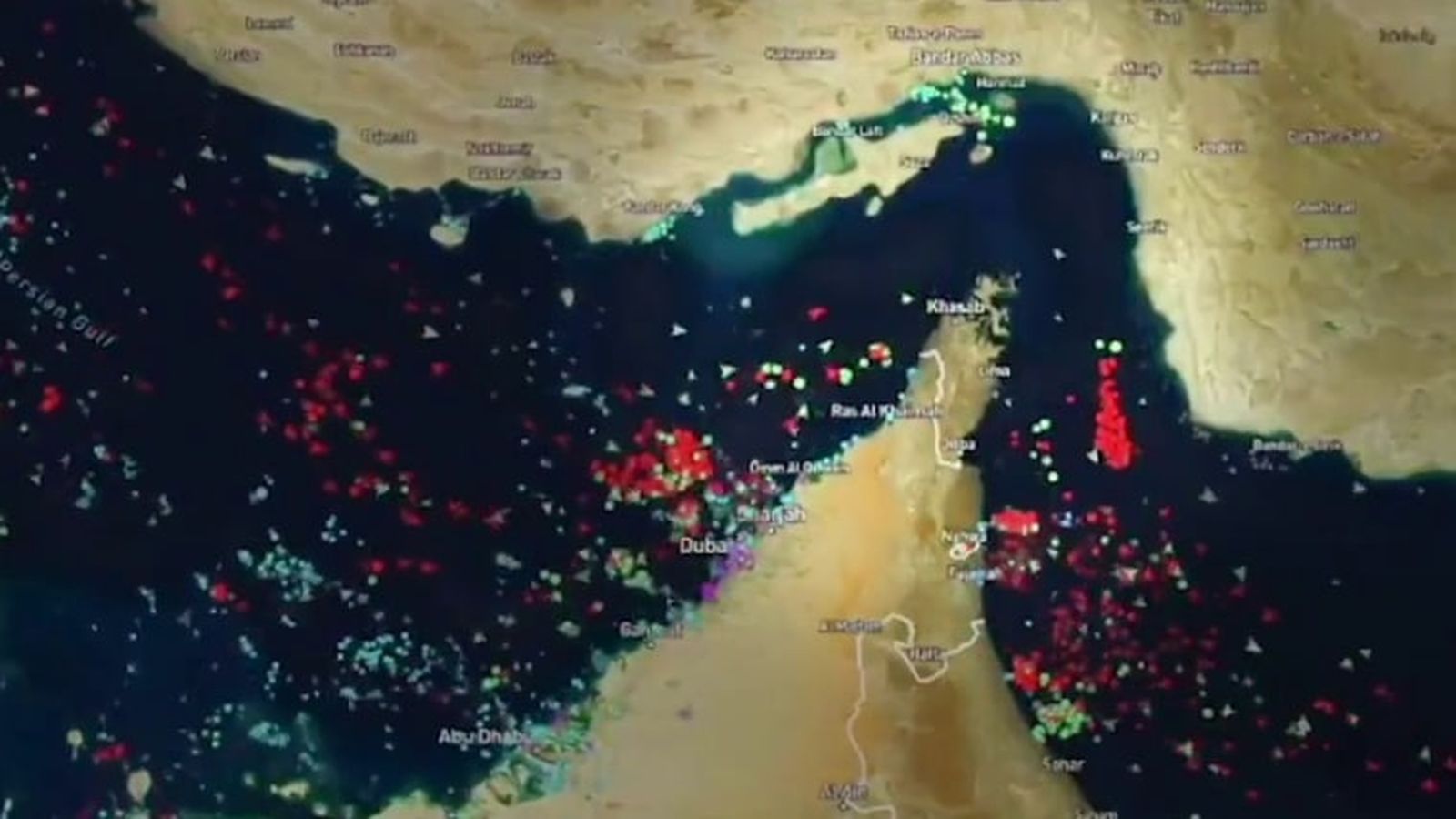
The new maritime reinsurance program is intended to bolster confidence among shipowners navigating the Persian Gulf region. Secretary Bessent stated that the program will offer insurance guarantees coupled with naval support to ensure the safe passage of vessels. While commercial vessels have largely avoided the strait since late February, a development that has seen traffic plummet from approximately 138 vessels per day to fewer than 10, the US government is taking steps to re-establish normal transit. Bessent indicated that tanker movement in the Gulf is already showing a slow but steady increase, with expectations of further growth even before the strait is fully secured.
Iran’s Control and ‘Toll Booth’ System
Iran has warned of potential actions, including the closure of the strait, if tensions escalate further. Reports from various sources, including Lloyd’s List and Al Jazeera, suggest that Iran has implemented a de facto blockade and a system, dubbed the “Tehran toll booth” by industry experts, through which some vessels are compelled to pay significant fees, reportedly up to $2 million, to pass. Iranian state media has also indicated that parliamentary legislation is being prepared to formalize these tolls, framing it as a natural duty for ensuring the corridor’s security. This assertion of control comes despite international strikes on the country, highlighting Iran’s determination to maintain authority over the vital chokepoint, which handles nearly 20% of global oil and gas flows.
Signs of Recovery Amidst Uncertainty
Despite the challenges, there are emerging signs of recovery in traffic. Tracking data indicates that at least 12 ships have passed through the Strait of Hormuz in the past four days, with five recorded on a single day, March 26. This includes vessels like the Greek-managed crude tanker Marathi, carrying Saudi Arabian oil. While the overall volume remains significantly lower than pre-conflict levels, these transits, along with statements from officials like President Trump suggesting Iran allowed ten tankers to pass, point to potential diplomatic progress or a gradual easing of restrictions. However, insurance costs remain high, suggesting that the primary concern for shipowners is not just coverage but the tangible risk of attacks, with at least 19 vessels reportedly attacked in or near the region since the conflict began.
Global Energy Security Measures
The disruptions in the Strait of Hormuz have prompted several energy-importing nations to implement emergency measures. Poland has introduced temporary tax relief on fuel, while Japan is considering using foreign exchange reserves to intervene in oil futures markets. India has secured crude oil reserves sufficient for approximately 90 days of use, ensuring relative supply stability. The US economy, bolstered by increased domestic oil and gas production, is seen as relatively resilient to short-term disruptions, although prolonged instability could lead to price adjustments.
The U.S. initiative to provide insurance and naval support, alongside emerging data showing a slight recovery in traffic, signals a concerted effort to stabilize the global energy market. However, the continued assertion of control by Iran through its “toll booth” system and the persistent risks of attacks mean that shipping companies are likely to remain cautious until a more definitive resolution to the regional tensions is achieved.