


Diplomatic Breakthrough Amidst Regional Escalation
Negotiations between the United States and Iran in Switzerland have concluded their first round with what mediators Qatar and Pakistan describe as “encouraging progress.” The talks, aimed at finalizing a comprehensive agreement to end the ongoing conflict, have resulted in a 60-day roadmap intended to address the war in Lebanon, the status of the Strait of Hormuz, and broader geopolitical grievances.
A key component of this framework is the establishment of a “de-confliction cell,” a trilateral communication mechanism involving the US, Iran, and Lebanon. This cell is designed to mitigate military miscalculations and facilitate a path toward the cessation of hostilities. Iranian Foreign Minister Abbas Araghchi stated that while the roadmap is a significant step, the “real test” remains the effective implementation of a ceasefire in Lebanon.
The Strait of Hormuz: A Fragile Chokepoint
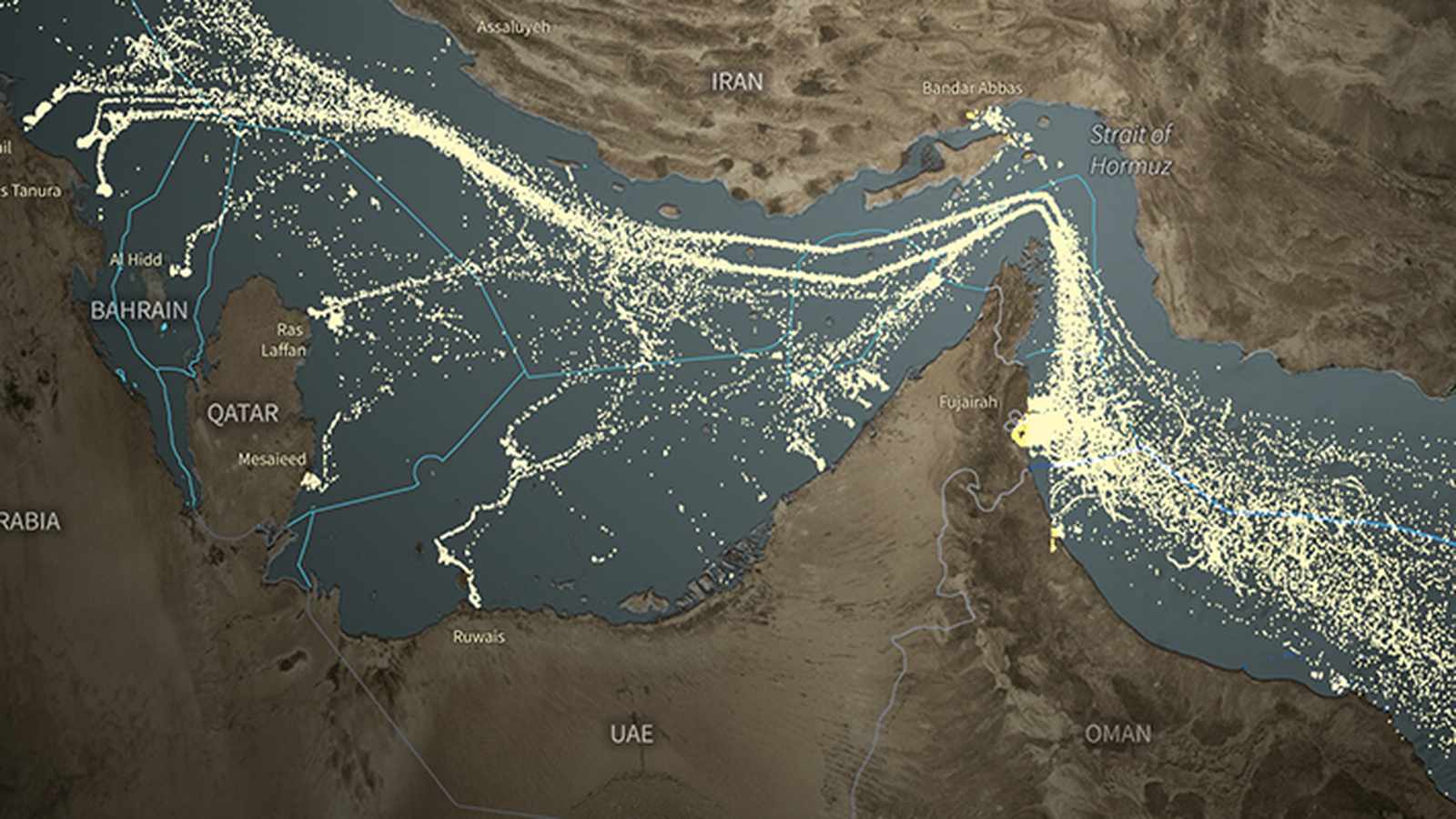
Despite diplomatic overtures, the status of the Strait of Hormuz remains contested. Following renewed Israeli airstrikes in Lebanon, Iran announced a closure of the maritime chokepoint—a vital artery for 20% of the world’s oil supply. However, real-time maritime tracking data from MarineTraffic suggests that commercial transit continues, albeit with visible disruption. While the US and Iran have committed to ensuring the “safe passage of commercial vessels” as part of their interim memorandum of understanding, the situation on the ground remains volatile.
Analysis: The Efficacy of the 60-Day Roadmap
The 60-day window represents a high-stakes diplomatic gamble. The conflict, which began in late February, has evolved into a complex web of regional proxy warfare and direct military engagement. For the US, the primary objective remains the long-term neutralization of Iran’s nuclear ambitions and the stabilization of global energy markets. For Iran, the agreement serves as a necessary relief valve against stringent economic sanctions and the mounting cost of regional military operations.
However, the efficacy of these talks is threatened by two significant variables: the autonomy of regional proxies and the rhetoric of domestic political leaders. President Trump has maintained a posture of “maximum pressure,” threatening to “hit Iran very hard” should proxy activities continue, while Prime Minister Netanyahu has signaled that Israeli operations in southern Lebanon will persist regardless of the US-Iran diplomatic track. This creates a dangerous disconnect where diplomatic progress in Lucerne risks being undermined by tactical escalations on the ground. The “de-confliction cell” will serve as the primary indicator of whether the involved parties can transition from rhetoric to enforceable de-escalation.