
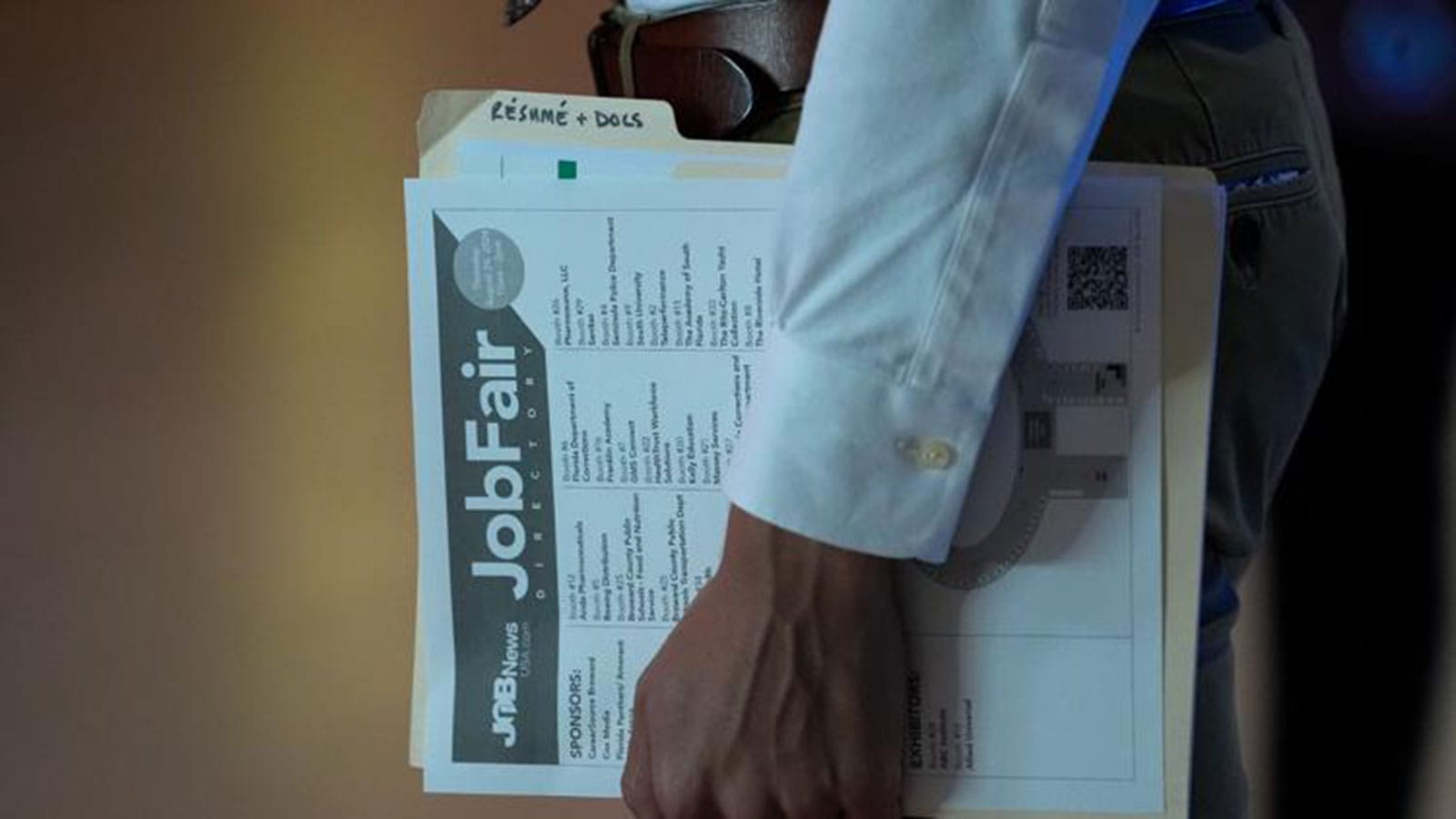
- U.S. employers added 177,000 jobs in April, down from 185,000 in March.
- The unemployment rate remained steady at 4.2% despite workforce growth.
- Manufacturing jobs declined by 1,000 due to tariff-related challenges.
- Consumer confidence hit its lowest level since the pandemic began.
- Average wages rose 3.8% year-over-year in April.
U.S. Job Market Slows Amid Trade War Escalation
The U.S. job market experienced a modest slowdown in April as the effects of President Donald Trump’s trade war began to ripple through the economy. According to the Labor Department’s report released on Friday, employers added 177,000 jobs in April, a slight decrease from the revised figure of 185,000 jobs in March. Despite this, the unemployment rate held steady at 4.2%, even as more than half a million individuals joined or rejoined the workforce.
Key Sectors See Mixed Results
Job gains were recorded in sectors such as healthcare, hospitality, and warehousing. Hospitals, restaurants, and warehouses continued to expand their workforce, reflecting steady demand in these industries. However, the federal government saw continued job losses, contributing to the overall slowdown in hiring.
Manufacturing, in particular, faced significant challenges. Factories shed 1,000 jobs in April, a stark indicator of the difficulties posed by the ongoing trade war. A survey by the Institute for Supply Management revealed that factory orders and output declined during the month, while prices for raw materials and components increased. Tariffs were cited as the primary concern among factory managers, with Tim Fiore, who oversees the monthly survey, warning, “We’re on the edge of a cliff.”
Tariffs and Economic Impact
The trade war escalated in early April when President Trump announced sweeping new tariffs. While some of these import taxes have since been suspended, the average tariff rate remains the highest it has been since the Great Depression. The International Monetary Fund (IMF) has forecasted that these tariffs will lead to higher consumer prices and slower economic growth.
The stock market has also felt the strain of the trade war. As of Thursday, the S&P 500 index had dropped approximately 6.5% compared to its level on Trump’s inauguration day. Additionally, consumer confidence has taken a hit, with an index measuring this sentiment falling to its lowest level since the onset of the COVID-19 pandemic.
Wage Growth and Consumer Spending
Despite the challenges, average wages in April increased by 3.8% compared to the same period last year. This rate of wage growth is consistent with March’s figures and is likely sufficient to outpace inflation. However, economists warn that consumer spending, a critical driver of the U.S. economy, could falter if employment declines further or if workers become increasingly concerned about job security.
Revised Employment Figures and Broader Implications
The Labor Department also revised employment figures for February and March, reducing the total job gains for those months by 58,000. These adjustments underscore the fragility of the current economic landscape. The U.S. economy contracted in the first quarter of the year, reflecting the uncertainty and caution among businesses and households in the face of the trade war.
Looking ahead, the health of the labor market will play a pivotal role in determining the trajectory of the U.S. economy. Sustained job growth and wage increases are essential to maintaining consumer spending and avoiding a potential recession. However, the ongoing trade tensions and their impact on key industries like manufacturing remain significant risks.
As the U.S. navigates these economic challenges, policymakers and business leaders will need to carefully consider strategies to mitigate the adverse effects of the trade war and support continued economic growth.
Source: Labor Department, International Monetary Fund, Institute for Supply Management