


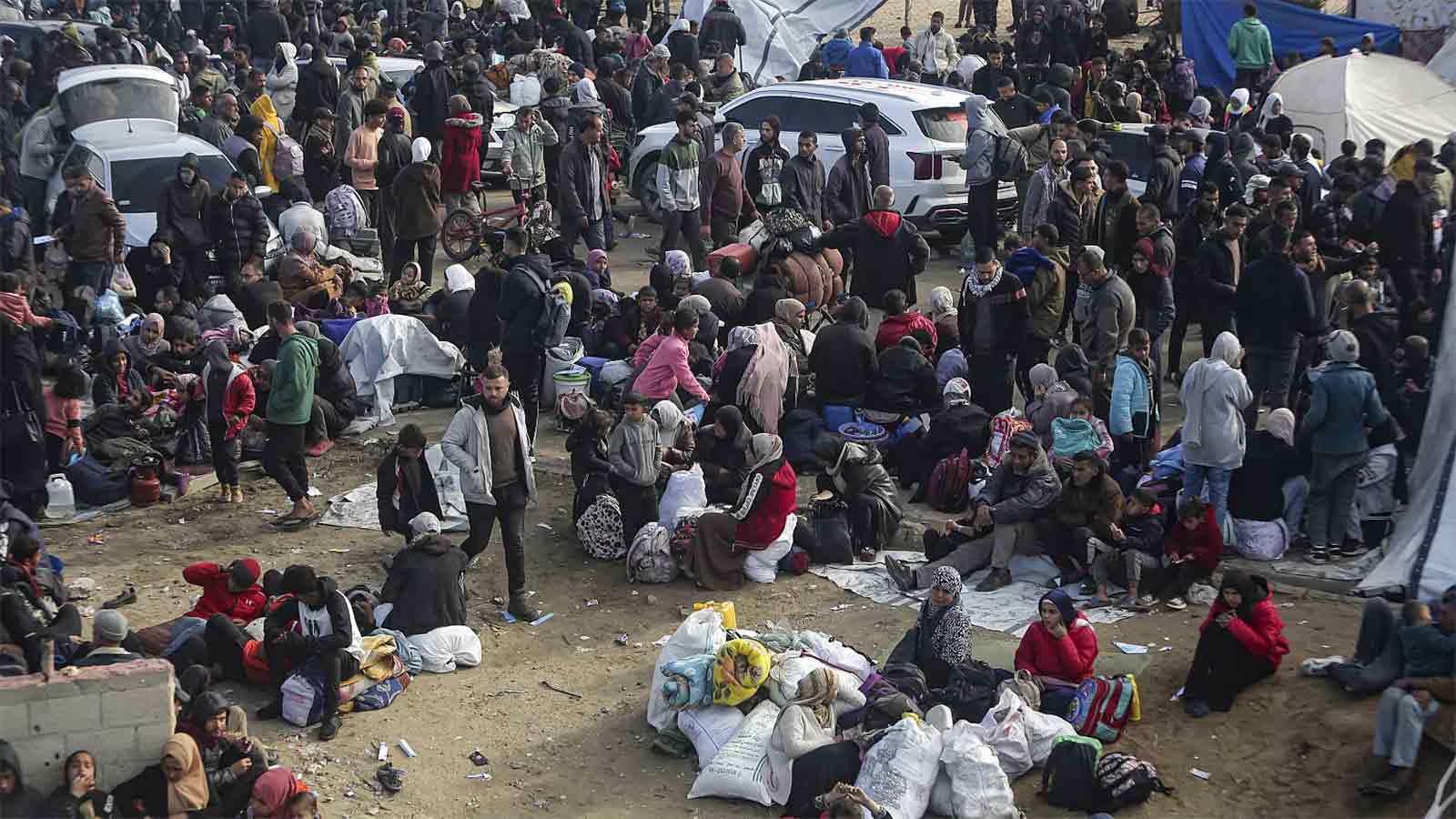
- Israel has blocked aid to Gaza for two months, citing security concerns.
- Proposed Israeli aid control measures raise fears of forced displacement.
- Aid groups argue the plans violate international humanitarian law.
- The U.N. and NGOs oppose Israel’s direct involvement in aid distribution.
- Talks between Israel and humanitarian organizations have stalled.
Israel’s Aid Blockade on Gaza: A Two-Month Standoff
For over two months, Israel has enforced a complete blockade on humanitarian aid entering Gaza, citing concerns over the diversion of supplies to Hamas and other militant groups. Food, water, fuel, and medical supplies have been withheld, exacerbating an already dire humanitarian crisis in the region. The blockade, which began in March 2023, is described as the most severe in nearly two years of conflict between Israel and Hamas.
Israel has proposed a new system to oversee the distribution of aid, arguing that such measures are necessary to prevent misuse. However, humanitarian organizations and the United Nations have raised significant concerns, claiming the proposed measures could lead to forced displacement and violate international law.
Proposed Aid Distribution Hubs and Their Implications
One of the central elements of Israel’s proposal involves the establishment of five centralized aid distribution hubs. These hubs would be located south of the Netzarim Corridor, effectively isolating northern Gaza from the rest of the territory. Aid groups fear that this setup would force Palestinians to relocate to access essential supplies, potentially leading to permanent displacement.
According to international humanitarian law, the forcible transfer of civilians is strictly prohibited. A document signed by 20 aid organizations operating in Gaza warns that such a system could result in “de facto internment conditions” for displaced Palestinians. The proposed hubs also pose safety risks, as large crowds of desperate individuals could gather in areas near Israeli military forces, increasing the likelihood of violence.
Global standards for humanitarian aid recommend at least 100 distribution sites for a population the size of Gaza’s 2.1 million residents. Israel’s plan for only five hubs falls far short of these benchmarks, raising questions about its feasibility and humanitarian impact.
Concerns Over Military and Private Contractor Involvement
Israel’s proposal includes the possibility of using its military or private security contractors to manage aid distribution. Humanitarian organizations have strongly opposed this idea, citing risks to the impartiality and independence of aid operations. The involvement of armed personnel could intimidate civilians and undermine trust in the aid process.
Documents reviewed by the Associated Press reveal that a U.S.-based security firm, Safe Reach Solutions, has approached aid groups to test a pilot distribution system near the Netzarim Corridor. However, NGOs have rejected participation, fearing it could set a dangerous precedent for future humanitarian crises.
The European Union has also expressed opposition to the use of private contractors in aid operations, emphasizing that such entities are not eligible partners under its humanitarian grants. The U.S. State Department has declined to comment on the ongoing negotiations.
Restrictions on Aid Eligibility and Organizational Operations
Another contentious aspect of Israel’s proposal involves new eligibility criteria for aid recipients and organizations. Aid groups report that Israel plans to vet both staff and beneficiaries, potentially barring organizations critical of Israeli policies. This could include requiring NGOs to re-register with the Israeli government and disclose personal information about their employees.
Humanitarian workers argue that these measures would compromise their ability to operate independently and effectively. Arwa Damon, founder of the International Network for Aid, Relief, and Assistance, stated that Israel has increasingly restricted access to Gaza for aid workers. Damon herself was denied entry in February 2023, despite having visited the territory multiple times since the conflict began.
Stalled Negotiations and the Way Forward
Talks between Israel and humanitarian organizations have reached an impasse, with aid groups refusing to accept Israel’s direct involvement in aid distribution. Jens Laerke, a spokesperson for the U.N. Office for the Coordination of Humanitarian Affairs, emphasized that Israel has a responsibility to facilitate aid delivery without politicizing or weaponizing it.
“The humanitarian community is ready to deliver,” Laerke stated. “Either our work is enabled, or Israel will bear the moral and legal consequences of failing to meet the needs of 2.1 million people.”
As the blockade continues, the humanitarian situation in Gaza grows increasingly dire. Aid groups are calling for immediate international intervention to ensure that essential supplies reach those in need without compromising humanitarian principles.
Source: Associated Press