
Quick Read
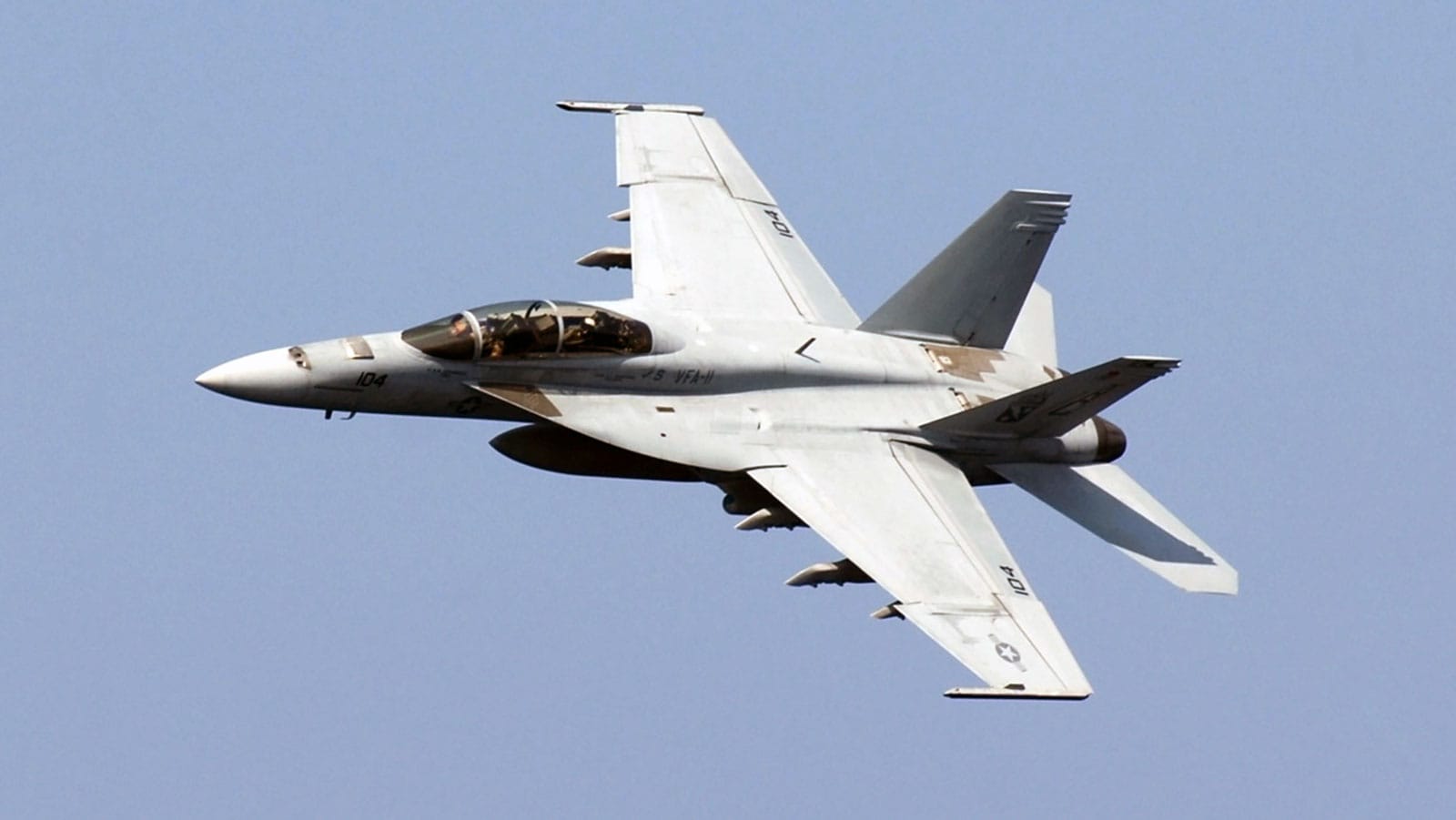
- A US Navy F/A-18 Super Hornet fell overboard from the USS Harry S. Truman aircraft carrier in the Red Sea.
- The incident occurred during evasive maneuvers against Houthi missile and drone attacks.
- The fighter jet, valued at over $60 million, was under tow when it slipped off the hangar deck.
- All personnel aboard the carrier are accounted for, with one sailor sustaining minor injuries.
- An investigation into the incident is underway.
US Navy Fighter Jet Lost in Red Sea
The US Navy has confirmed the loss of an F/A-18 Super Hornet fighter jet valued at over $60 million after it fell overboard from the USS Harry S. Truman aircraft carrier in the Red Sea. The incident occurred on Monday while the aircraft carrier was conducting operations against Yemen’s Houthi rebels, who had launched missile and drone attacks on the vessel.
Details of the Incident
According to the Navy’s statement, the fighter jet was being towed in the hangar bay when the move crew lost control of the aircraft. The jet, along with the tow tractor, slipped off the hangar deck and fell into the sea. Sailors towing the aircraft took immediate action to clear the area, ensuring their safety before the jet fell overboard.
Initial reports suggest that the USS Harry S. Truman made a hard turn to evade incoming Houthi fire, which contributed to the loss of the fighter jet. A US official confirmed that the jet has sunk, and no recovery efforts have been announced as of now. One sailor sustained minor injuries during the incident, but all personnel aboard the carrier are accounted for.
Houthi Attacks and US Navy Operations
The USS Harry S. Truman is part of the Truman Carrier Strike Group, which has been deployed in the Middle East for months. The carrier was in the Red Sea at the time of the incident, conducting operations against Yemen’s Iran-backed Houthi rebels. The Houthis have claimed responsibility for launching missile and drone attacks on the carrier, forcing it to take evasive maneuvers.
The Houthi attacks on US Navy vessels have intensified in recent months, coinciding with the US military’s stepped-up airstrikes on Houthi targets in Yemen. The Navy’s operations aim to prevent the rebel group from targeting commercial ships heading for Israel and to counter their support for Palestinian groups amid the ongoing Gaza conflict.
Previous Mishaps Involving the USS Harry S. Truman
This incident marks the second time the USS Harry S. Truman has lost an F/A-18 Super Hornet during its deployment in the Red Sea. In December, another Super Hornet was accidentally shot down by the cruiser USS Gettysburg in a friendly fire incident. Both pilots ejected safely.
The Truman has also faced other challenges during its deployment. In February, the carrier collided with a merchant vessel near Egypt, resulting in the firing of its commanding officer. Despite these setbacks, the Navy emphasized that the Truman Carrier Strike Group and its air wing remain fully mission-capable.
Capabilities of the USS Harry S. Truman
The USS Harry S. Truman is a Nimitz-class nuclear-powered aircraft carrier, launched in 1996. It is one of the largest warships in the world, measuring 1,092 feet in length and capable of carrying approximately 90 aircraft. Powered by two nuclear reactors, the carrier can reach speeds exceeding 34 mph and accommodate over 6,000 crew members.
Despite its size, the Truman is highly maneuverable, employing zig-zag tactics to evade missile attacks. These maneuvers involve alternating 30- to 40-degree turns, allowing the ship to displace from potential aim points while maintaining high speeds.
Investigation and Future Implications
The Navy has launched an investigation into the circumstances surrounding the loss of the fighter jet. The incident highlights the risks and challenges faced by US Navy vessels operating in conflict zones. As tensions with the Houthis persist, the Navy’s operations in the region remain critical to ensuring maritime security and protecting commercial shipping routes.
While the loss of the $60 million fighter jet is significant, the Navy’s focus remains on its mission capabilities and the safety of its personnel. Further updates are expected as the investigation progresses.