
Quick Read
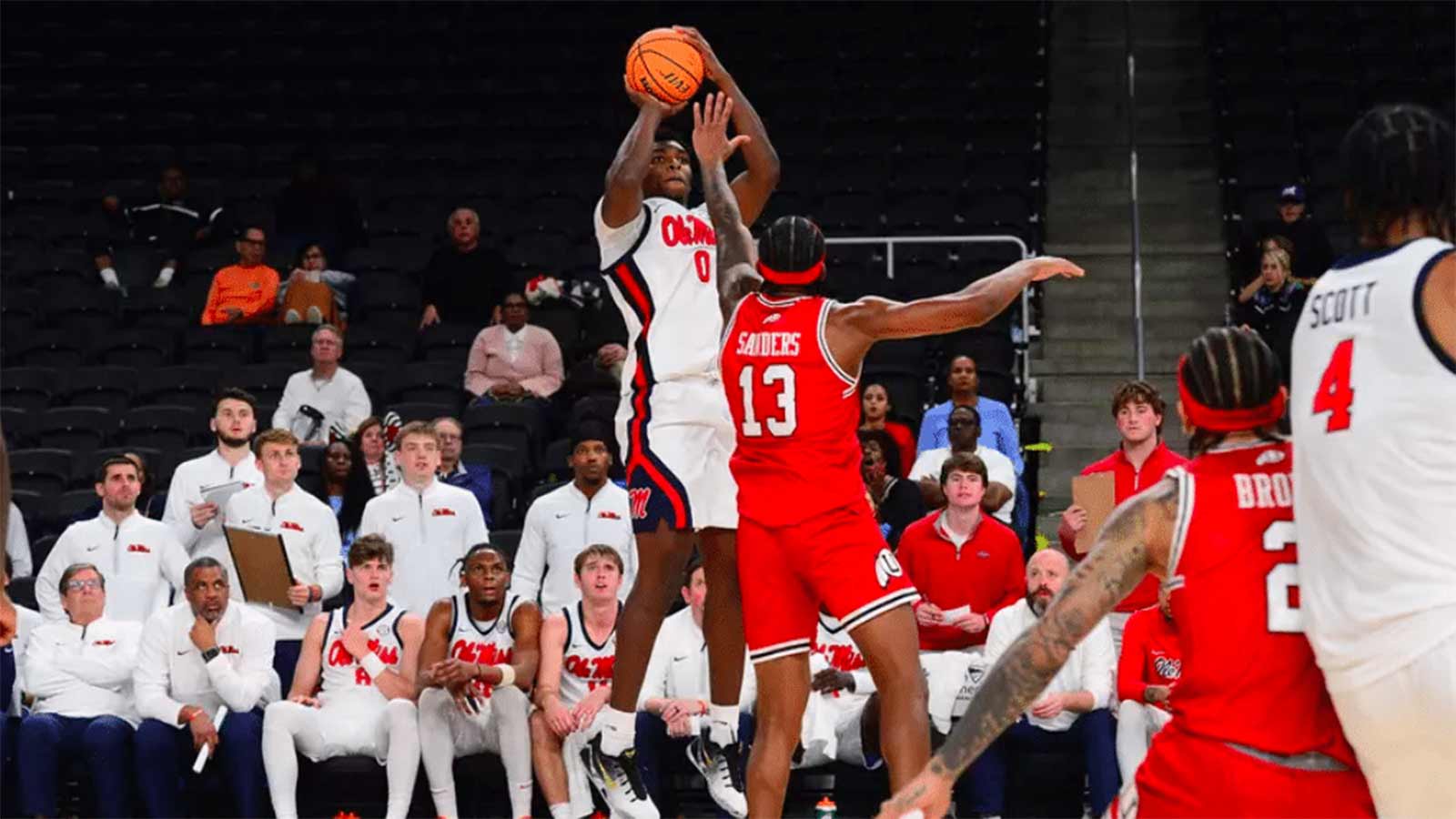
- Utah defeated Ole Miss 85-60 in the Acrisure Classic consolation game.
- Utah’s defense stifled Ole Miss, forcing turnovers and difficult shots throughout the contest.
- Both teams entered the game seeking redemption after losses in their tournament openers.
- Utah improved to a 5-2 record and heads into Big 12 play with renewed confidence.
- Ole Miss, now 5-2, must regroup before beginning SEC competition.
Utah Delivers Statement Win Over Ole Miss: Acrisure Classic Consolation Game Recap
In a game that demanded resilience and a quick reset, the Utah Utes delivered a dominant performance against the Ole Miss Rebels, winning 85-60 in the Acrisure Classic consolation matchup held in Palm Springs, California. For both programs, this was more than just a chance to salvage pride after opening-round losses—it was a pivotal moment that could echo throughout the rest of their seasons.
Utah’s Defensive Prowess Defines the Night
From the opening tipoff at Acrisure Arena, Utah’s defensive intensity set the tone. The Utes, led by Coach Craig Smith, rebounded emphatically from their 68-58 upset loss to Grand Canyon just 24 hours prior. Utah’s ability to force turnovers and disrupt Ole Miss’s offensive rhythm was relentless. The Rebels, who had entered the tournament 5-1 and eager for their first Power 4 victory, found themselves stifled at nearly every turn.
Key contributors for Utah included Babacar Faye, Jacob Patrick, and Don McHenry, whose combined effort both on the glass and in transition allowed the Utes to control tempo. McHenry, coming off a 16-point performance against Grand Canyon, continued to provide offensive spark, while Keanu Dawes dominated the boards, grabbing 12 rebounds—11 on the defensive end. Utah’s disciplined scheme forced Ole Miss into low-percentage shots and kept their leading scorers in check throughout the contest.
Ole Miss Falters Against Utah’s Pressure
Ole Miss, under the guidance of Coach Chris Beard, entered the night still smarting from a narrow 74-69 defeat to undefeated Iowa. The Rebels, led by AJ Storr, Kezza Giffa, and Ilias Kamardine, had built their early-season record on balanced scoring and strong defense. Yet, against Utah, those strengths failed to materialize.
AJ Storr, who poured in 22 points against Iowa, struggled to find the same rhythm against the Utes’ suffocating coverage. Ilias Kamardine, Ole Miss’s reliable facilitator, produced points but couldn’t spark a consistent offensive run. The Rebels shot just 23 of 49 from the field and a disappointing 6 of 17 from beyond the arc. While their free throw shooting (85 percent) remained solid, it was not enough to overcome Utah’s defensive lockdown.
Utah’s relentless approach resulted in Ole Miss committing costly turnovers and failing to capitalize on open opportunities. The Rebels’ inability to generate consistent perimeter scoring further exacerbated their woes, as Utah’s defenders forced them into rushed possessions and contested shots.
Turning Point: Utah’s Bounce-Back and Confidence Boost
For Utah, this win was not just about the scoreboard—it was about rediscovering their identity. Coming off a game where Grand Canyon’s defense had exposed their vulnerabilities, the Utes needed a response. They found it with a 25-point margin of victory, showcasing their potential to execute both offensively and defensively when locked in.
The Utes improved their overall record to 5-2, positioning themselves favorably as they prepare for the challenges of Big 12 conference play. The defensive tenacity and ability to rebound from adversity will serve them well in upcoming matchups, where consistency will be key.
Coach Smith’s squad sent a clear message: when Utah’s defense is operating at full strength, they can dictate games and disrupt even seasoned opponents. The Acrisure Classic blowout stands as evidence of their capability to reset and refocus after setbacks.
Ole Miss Faces Questions Heading Into SEC Play
For Coach Beard and the Rebels, the defeat raises pressing questions. After a promising 5-0 start built on victories against non-Power 4 teams, Ole Miss now faces the reality of consecutive losses against tougher competition. Their inability to secure a Power 4 win in the Acrisure Classic may weigh on their tournament resume, making the path ahead in the SEC all the more critical.
The Rebels still possess foundational strengths—Storr’s scoring ability, Scott’s rebounding, and Kamardine’s playmaking—but must now address their vulnerability against disciplined defenses. Beard’s history of rebuilding programs suggests Ole Miss can regroup, but the urgency to adjust tactics and restore confidence is palpable.
As the Rebels transition to conference play, their focus will be on tightening ball security, finding reliable perimeter shooters, and re-establishing the defensive identity that fueled their early success. Two straight losses won’t define their season, but their response in the coming weeks could.
Series History and What Lies Ahead
This game marked the third meeting between Utah and Ole Miss, with the Utes now leading the all-time series 3-0, having previously claimed victories in 2008 and 2017 (Field Level Media). The decisive win adds another chapter to Utah’s dominance in this matchup, while Ole Miss continues its search for a breakthrough.
For Utah, the confidence gained from this win is invaluable as they move toward high-stakes conference games. Their ability to execute on both ends of the floor and adapt after adversity bodes well for future tournament ambitions. For Ole Miss, the challenge will be to turn lessons from this defeat into actionable improvements, ensuring their early promise isn’t overshadowed by a difficult stretch.
Both programs now shift focus to the rigors of conference schedules. Utah’s statement victory sets a benchmark for defensive execution, while Ole Miss’s journey to regain momentum will test the resilience Coach Beard has instilled.
Utah’s overwhelming defensive performance in the Acrisure Classic not only secured a lopsided victory but also signaled their capacity to rebound and compete at a high level. For Ole Miss, the loss exposes tactical gaps against top-tier opponents and underscores the importance of adaptation as they enter SEC play. In a sport defined by quick turnarounds and constant evolution, this game may well serve as a touchstone for both teams’ seasons ahead.