
Quick Read
- Families of victims learned of the deaths through social media or were given false information about car accidents.
- The inquiry revealed that police communication was significantly delayed, leaving families to source information from news outlets.
- Victims’ families criticized the lack of institutional transparency, stating they felt treated as an afterthought throughout the aftermath.
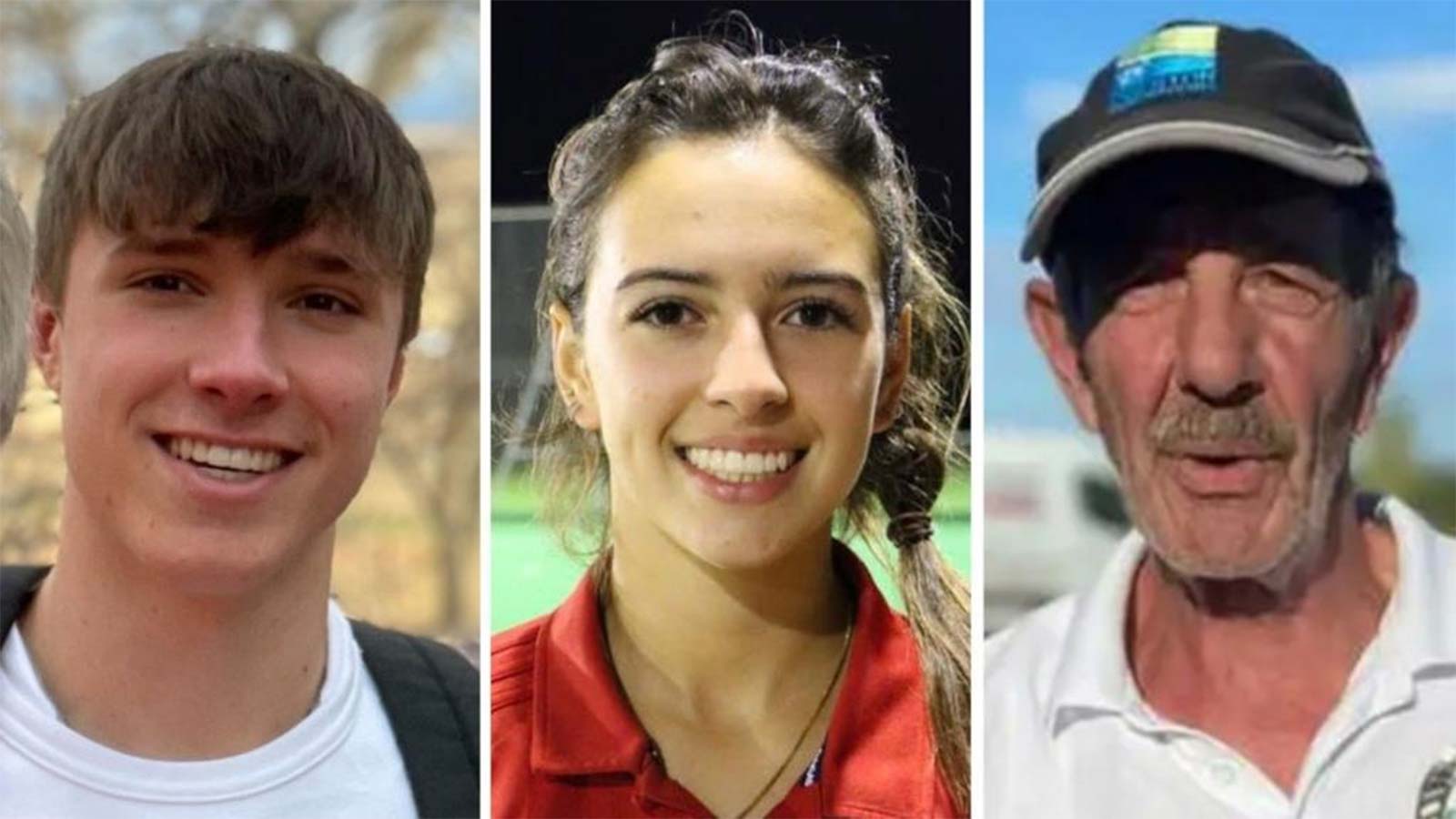
LONDON (Azat TV) – The public inquiry into the 2023 Nottingham attacks has heard harrowing testimony regarding the profound failure of official notification processes, as families of victims revealed they were left to discover the deaths of their loved ones through social media and misleading reports. On March 24, 2026, the sons and partner of Ian Coates, one of the three victims killed by Valdo Calocane, testified that the lack of institutional transparency exacerbated their trauma, leaving them feeling like the victims were treated as an afterthought.
Failures in victim notification and institutional transparency
James Coates, son of the 65-year-old caretaker Ian Coates, told the hearing that he first learned of his father’s death through an Instagram message from a family friend, which he initially dismissed as a hoax. Despite witnessing police cordons in Nottingham, the family received no official confirmation until just ten minutes before a public press conference held by then-chief constable Kate Meynell. James Coates described the experience as “disgusting,” noting that his contact details were available to authorities for hours before any official outreach occurred.
The inquiry also received testimony from Elaine Newton, Coates’ long-term partner, who stated that she was initially told by police that he had died in a road traffic accident. It was only hours later, when a family liaison officer arrived and reacted with shock upon hearing her account, that she was informed the true nature of his death—a stabbing. Ms. Newton described this experience as feeling like her partner had been “killed twice,” highlighting the devastating psychological impact of receiving contradictory and incorrect information during an unfolding tragedy.
Stakes for public trust and accountability
The testimony underscores a broader crisis of confidence regarding the handling of the Nottingham attacks by both police and the Nottinghamshire Healthcare NHS Foundation Trust. Lee Coates, Ian’s son, criticized the official narrative that authorities were doing “everything for the bereaved families,” calling the assertion disingenuous. The families argued that they were forced to piece together the events themselves, often relying on news reports and social media while struggling to access basic information through official helplines.
The inquiry, chaired by retired senior judge Deborah Taylor KC, is tasked with examining the events leading up to the June 2023 attacks, where Calocane also killed university students Barnaby Webber and Grace O’Malley-Kumar. Beyond the immediate communication failures, the families raised concerns about systemic lapses, including the fact that they were not informed of previous police interactions with Calocane or of city-organized vigils until they were alerted by journalists.
The revelations regarding the misinformation provided to families represent a critical failure in the duty of care, suggesting that institutional inertia and poor inter-agency communication did not just complicate the aftermath, but actively compounded the trauma of those left behind.