
Quick Read
- The Vatican conclave will elect the next pope following Pope Francis’s death.
- Only cardinals under 80 years old, totaling 135, are eligible to vote.
- Key candidates include Cardinals Parolin, Pizzaballa, Erdo, and Sarah.
- The process emphasizes prayerful discernment and divine guidance.
- The conclave typically begins after a two-week mourning period.
What is the Vatican Conclave?
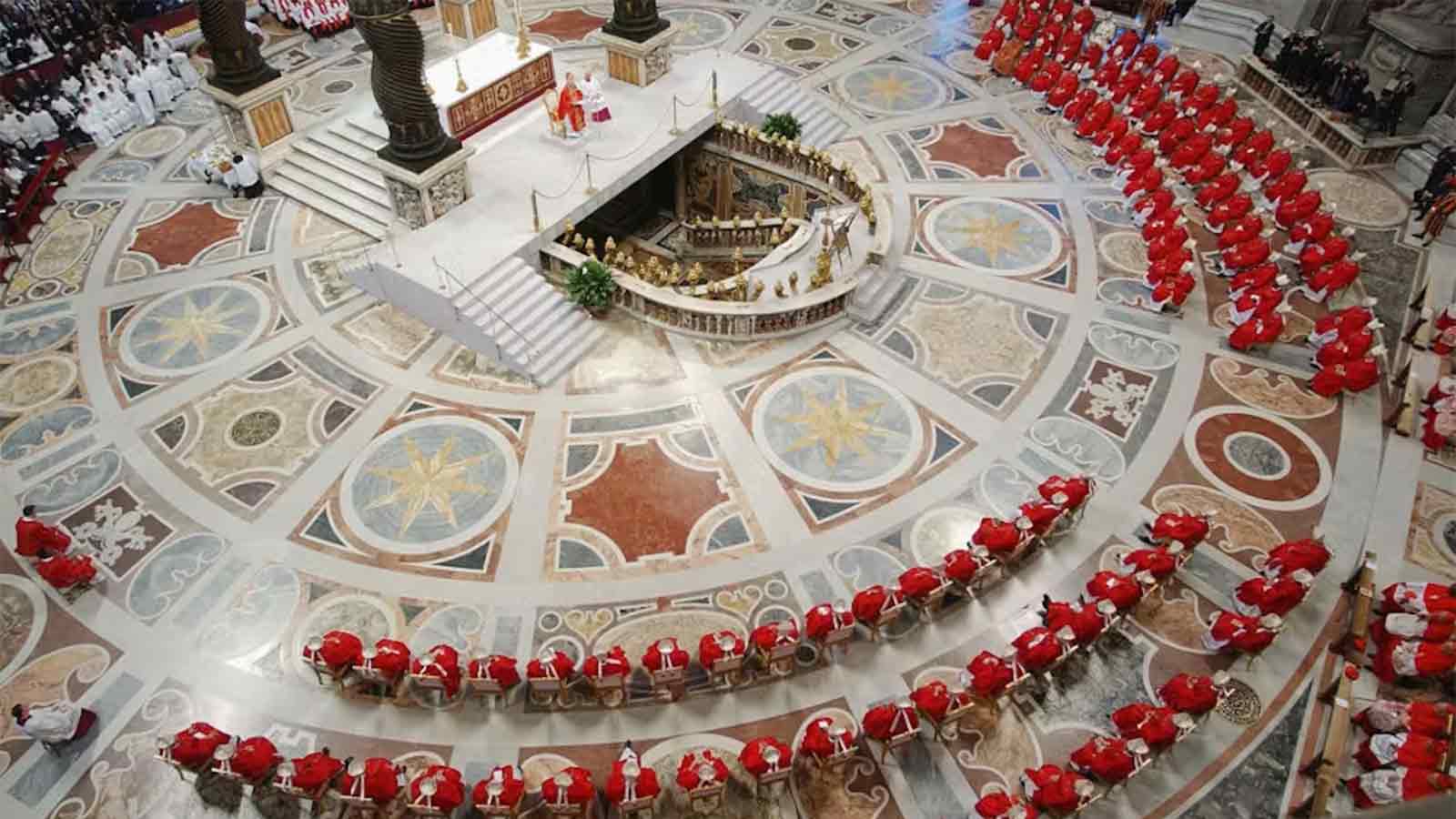
The Vatican conclave is a sacred and secretive process by which the College of Cardinals elects a new pope, the spiritual leader of the Roman Catholic Church. This tradition, steeped in history, takes place in the Sistine Chapel and involves cardinals under the age of 80 casting their votes in a series of ballots. The elected pope becomes the 267th pontiff, leading an estimated 1.4 billion Catholics worldwide.
Eligibility and Voting Process
While any baptized Catholic male can theoretically be elected pope, modern tradition dictates that the role is typically filled by a cardinal. Out of the 252 cardinals globally, only 135 are eligible to vote due to the age restriction of 80 years. The conclave begins after a two-week mourning period for the deceased pope, during which the cardinals deliberate and pray for divine guidance.
The process requires a two-thirds majority for a candidate to be elected. This underscores the importance of consensus and unity among the electors. The conclave is conducted in strict secrecy, with cardinals isolated from the outside world to ensure the sanctity of their decision-making process.
Key Figures and Potential Candidates
Several prominent cardinals have emerged as potential candidates, or “papabile,” to succeed Pope Francis:
- Cardinal Pietro Parolin: The Vatican’s Secretary of State since 2014, Parolin is a seasoned diplomat known for his involvement in the Holy See’s controversial agreement with China on bishop appointments. While he is seen as a continuation of Pope Francis’s pastoral priorities, his lack of pastoral experience and ties to a financial scandal may hinder his chances.
- Cardinal Pierbattista Pizzaballa: The Latin Patriarch of Jerusalem, Pizzaballa is a respected authority on Middle Eastern affairs. His support for inter-religious dialogue and the Latin Mass has earned him a reputation as a moderate, though his relative youth at 60 may work against him.
- Cardinal Peter Erdo: The Archbishop of Budapest, Erdo has significant experience in European and African church affairs. His leadership in organizing Vatican meetings on family issues highlights his ability to navigate complex theological and social topics.
- Cardinal Robert Sarah: A conservative figure from Guinea, Sarah is beloved by traditionalists for his doctrinal rigor and liturgical focus. However, past controversies, including a public disagreement with Pope Francis, may affect his candidacy.
Challenges and Considerations
The election of a new pope is not merely a matter of choosing a leader but also a reflection of the Church’s direction. Pope Francis’s tenure emphasized inclusivity, environmental stewardship, and pastoral care, setting a high bar for his successor. The next pope will need to address pressing issues such as clerical abuse, declining church attendance in the West, and the role of women in the Church.
Additionally, the conclave must navigate internal divisions between progressive and conservative factions. While some cardinals advocate for continuity with Pope Francis’s reforms, others seek a return to more traditional practices. This dynamic adds complexity to the decision-making process.
The Role of Cardinal Vincent Nichols
Cardinal Vincent Nichols, the Archbishop of Westminster, will participate in the conclave despite being only months away from the age limit. Nichols has expressed humility about his role, emphasizing the spiritual nature of the process. “This is a group of men trying to discern the will of God,” he stated in an interview with BBC North West.
Nichols’s reflections on Pope Francis highlight the late pontiff’s enduring peace and closeness to God, qualities that will undoubtedly influence the cardinals’ deliberations.
The Sacred Nature of the Conclave
A popular saying in Vatican circles is, “If you enter a conclave as pope, you leave as a cardinal.” This underscores the unpredictable and spiritual nature of the election process. Despite speculation and betting odds, the conclave remains a deeply prayerful event aimed at discerning divine will.
As the world watches, the College of Cardinals faces the daunting task of electing a leader who can guide the Church through modern challenges while remaining rooted in its spiritual mission. The outcome will shape the future of Catholicism for years to come.