
Quick Read
- Walton Goggins returns as The Ghoul in Fallout Season 2, premiering December 17 on Prime Video.
- The season explores themes of corruption, pain, and survival through Goggins and Ella Purnell’s tense partnership.
- Their characters’ dynamic avoids typical familial tropes, focusing instead on complex human relationships.
- Lucy’s journey reflects the erosion of innocence in a post-apocalyptic world, while The Ghoul represents collective trauma.
- New cast members and plotlines promise fresh twists for fans.
Fallout Season 2: Walton Goggins Embodies the World’s Pain
When Prime Video’s “Fallout” returns for its much-anticipated second season on December 17, fans will once again be thrown into the post-apocalyptic wasteland where survival comes at a heavy price. Walton Goggins, reprising his role as The Ghoul, stands at the emotional epicenter of this grim, chaotic world—a repository, in his own words, for all the pain the world has endured.
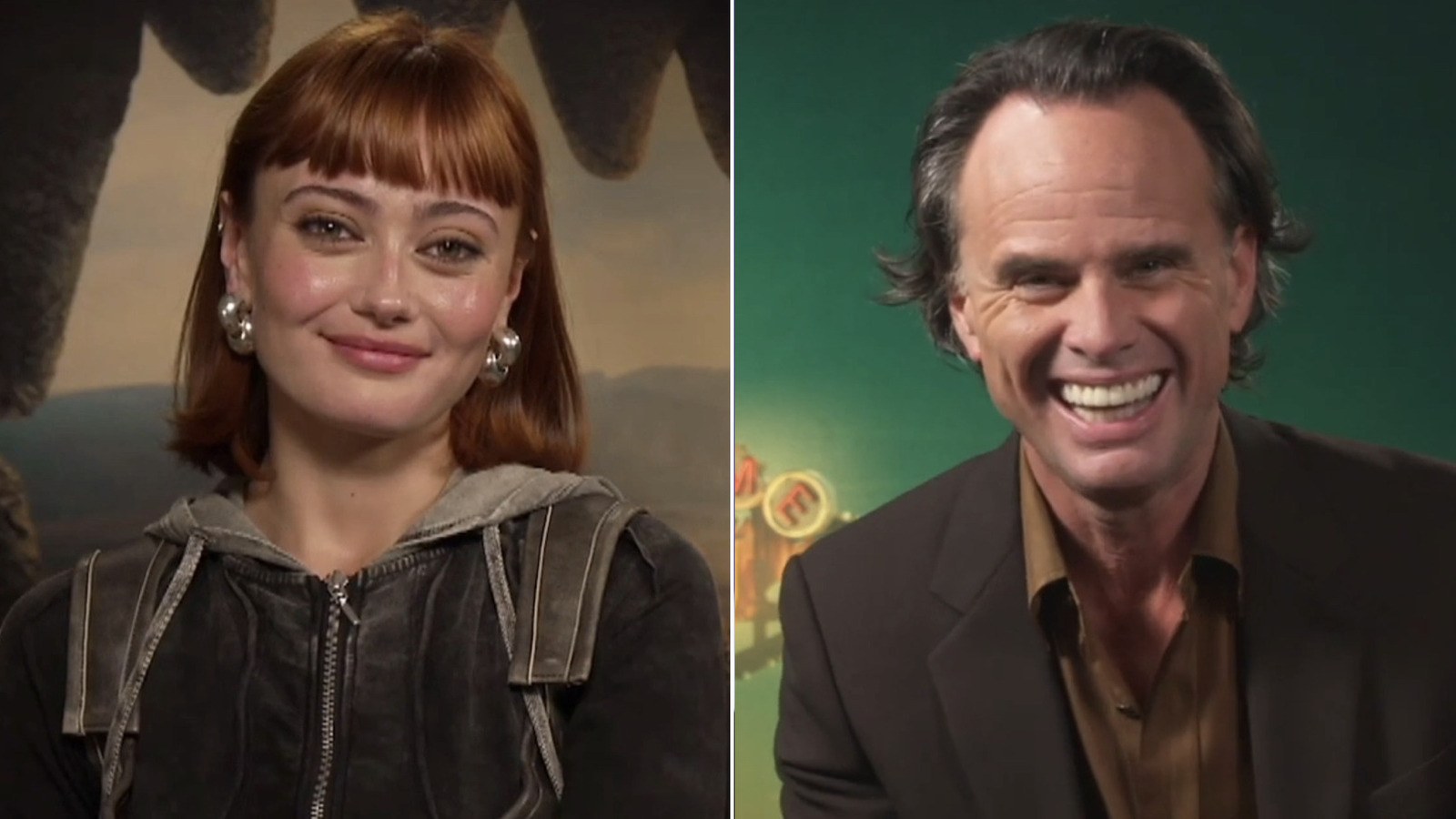
Alongside Ella Purnell’s Lucy MacLean, Goggins’ character embarks on a journey that is equal parts road trip and existential test. Their dynamic—marked by tension, distrust, and reluctant cooperation—offers a fresh take on the classic buddy adventure, recast against the backdrop of nuclear devastation. In a recent interview with TVLine, both actors offered tantalizing hints at what lies ahead for their characters, promising viewers a season packed with corruption, pain, and “a lot of tension.”
A Road Trip Through Ruins: Unlikely Companions
Lucy and The Ghoul are not friends, nor are they family. Instead, as Goggins himself puts it, they are “just two humans on a post-apocalyptic roadtrip getting to know each other.” The showrunners intentionally avoided the familiar trope of a father-daughter bond, opting instead for something more ambiguous—and, perhaps, more relatable in a world where everyone’s moral compass has gone haywire.
Purnell describes their relationship as a “buddy, roadtrip thing”—one that’s fraught with as much conflict as camaraderie. “They have wildly different outlooks on life,” she says, and the push-and-pull between their goals fuels much of the show’s drama. Lucy wants to bring her corrupt father to justice, while The Ghoul is driven by a desperate need to find his own family. Their individual quests force them into an uneasy alliance, where trust is a luxury and betrayal a constant threat.
Corruption, Survival, and the Erosion of Innocence
Season 2 dives deeper into the psychological toll of living in the wastes. Lucy, once an idealist, finds herself increasingly corrupted by the violence and desperation that surround her. “The longer you spend in the wasteland, the more corrupt you become inherently. It’s adapt or die,” Purnell explains. Each interaction, every death witnessed, chips away at her innocence, leaving viewers to wonder how much of the old Lucy will survive the journey.
The Ghoul, meanwhile, is haunted by memories of a world lost. Goggins describes him as someone who absorbs the suffering of others—a walking testament to the trauma of the apocalypse. His pain is not just personal; it’s emblematic of the world’s collective wounds. And as the season unfolds, both he and Lucy must grapple with the consequences of their actions, the weight of their losses, and the temptation to compromise their values for survival.
Comedy, Tension, and the Human Element
Despite the darkness, “Fallout”’s second season promises moments of levity. The odd-couple dynamic between Lucy and The Ghoul provides the kind of comic relief that only emerges when two fundamentally different people are forced to depend on each other. “Maybe they even start to get along,” Purnell teases—though viewers remain skeptical given the show’s track record of subverting expectations.
As Goggins and Purnell’s characters navigate the wasteland, their banter and clashes become a microcosm of the broader struggle for humanity. Each episode challenges them to redefine what it means to be good or evil in a world where those lines have blurred beyond recognition.
Supporting Cast and New Faces
The show’s expanding ensemble brings new energy to the mix. Kyle MacLachlan returns, relishing the opportunity to play a villain, while Aaron Moten’s Maximus may spark a potential romance with Lucy. Executive producers Geneva Robertson-Dworet and Jonathan Nolan have also teased intriguing guest roles for Macaulay Culkin and Kumail Nanjiani, promising fresh storylines and unexpected twists. The chemistry between the cast, and the creative risks taken by the production team, set the stage for a season that’s as unpredictable as it is emotionally resonant.
What Makes Walton Goggins’ Ghoul Unique?
Goggins’ portrayal of The Ghoul is central to the show’s emotional impact. He brings a vulnerability to the character that goes beyond the typical post-apocalyptic antihero. Rather than leaning into brutality or cynicism, Goggins channels the pain and complexity of someone who has seen—and survived—the worst of humanity. In doing so, he anchors the show’s exploration of trauma, resilience, and the possibility of redemption.
His approach, according to the TVLine interview, was to make the character “about two humans” rather than leaning on archetypes. This choice lends authenticity to the relationship at the heart of the season, ensuring that viewers see themselves not in superheroes or villains, but in flawed, struggling survivors.
Anticipation and Viewer Reactions
With the premiere just around the corner, anticipation for “Fallout” Season 2 is running high. Fans have flocked to social media and comment sections, sharing their hopes and fears for Lucy, The Ghoul, and the rest of the cast. The promise of corruption, pain, and high-stakes tension has set expectations for a season that will not only entertain but challenge viewers to reconsider their own notions of right and wrong.
For Walton Goggins, the role represents a rare opportunity to explore the human condition under extreme circumstances. His performance, coupled with the show’s willingness to tackle difficult themes, ensures that “Fallout” remains one of the most compelling entries in the post-apocalyptic genre.
Walton Goggins’ journey in “Fallout” Season 2 is more than a quest for survival—it’s a meditation on the ways pain and corruption can shape, distort, and sometimes unite us. By refusing easy answers and embracing complexity, Goggins and the creative team deliver a story that lingers long after the credits roll.