
Quick Read
- A trackside incident near Wimbledon blocked all lines between Wimbledon and Woking, disrupting South Western Railway services.
- Electricity powering the trains was shut off for emergency services, causing cancellations and delays at Waterloo Station.
- Lines reopened after emergency response, but disruptions lasted until the end of the day.
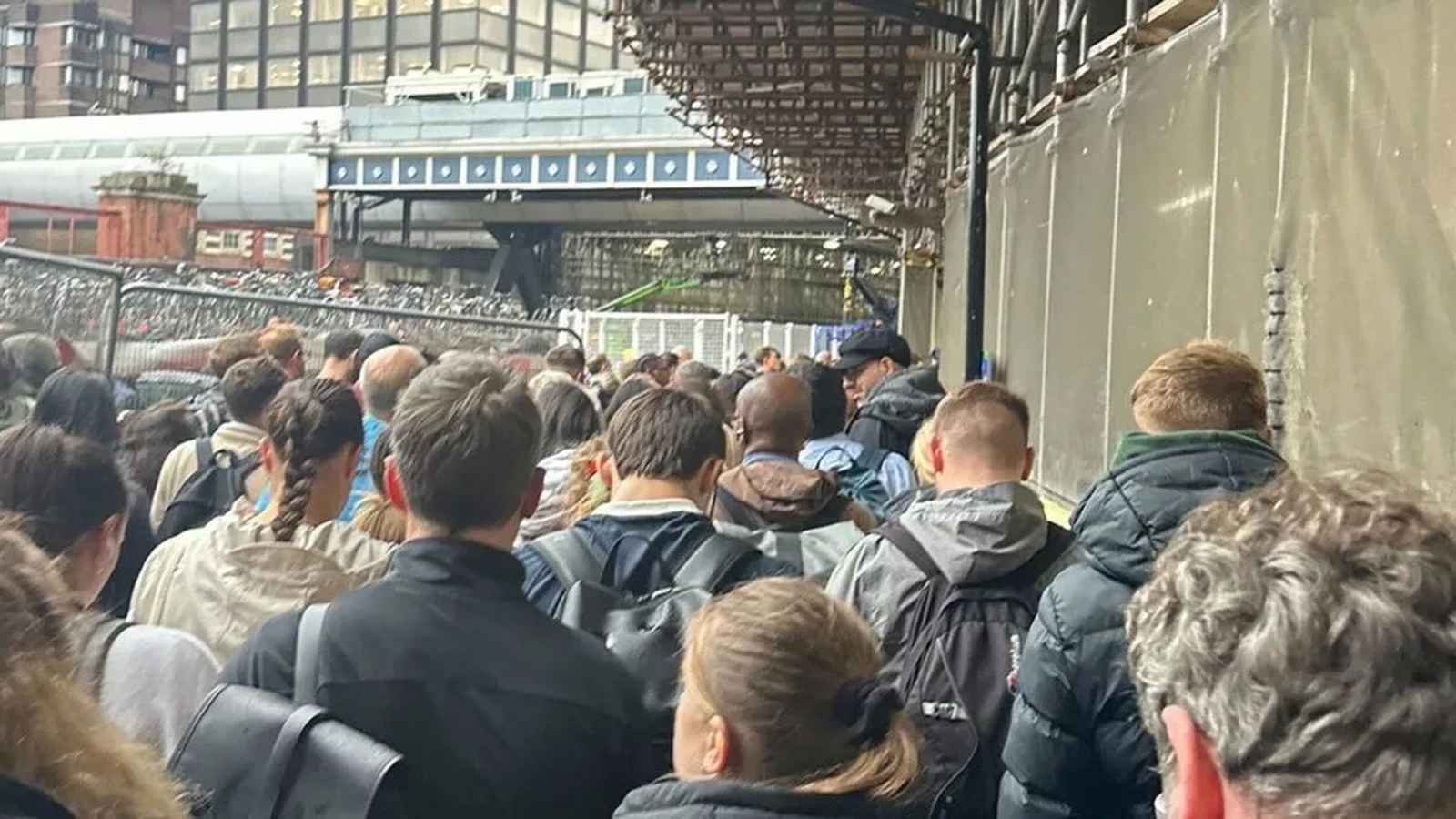
- Passengers faced crowded concourses, missed connections, and confusion about alternative routes.
Emergency Incident Near Wimbledon Shuts Down Key Rail Lines
On the evening of October 3rd, London’s Waterloo Station—a cornerstone of the UK’s rail network—was thrown into disarray following a critical incident on the tracks near Wimbledon. The event triggered a domino effect across the South Western Railway (SWR) system, with cancellations and severe delays rippling through the network, leaving thousands of commuters stranded or scrambling for alternatives.
How the Disruption Unfolded: Timeline and Immediate Impact
The incident, which is believed to have occurred in the Raynes Park area, resulted in all lines between Wimbledon and Woking being immediately blocked. Emergency services rushed to the scene, and as a safety measure, electricity powering the trains was shut off, rendering the tracks unusable for several hours. According to Daily Star, SWR responded quickly, warning passengers that trains could be cancelled, delayed, or rerouted as the situation developed.
Network Rail Wessex released a statement: “Due to emergency services dealing with this incident, we have had to turn off the electricity that powers the trains. This means that no trains can run through the area. Please follow South Western Railway for the latest travel information. Thank you for your patience.”
For those at Waterloo Station, the chaos was palpable. The concourse was crowded, with many unable to even access the platforms. Social media lit up as commuters vented frustrations, sharing images and anecdotes of packed waiting areas and uncertain journeys ahead. One user posted: “Anyone know why nearly all trains from Waterloo appear cancelled & you can’t even get on station concourse? Nightmare getting home….”
Restoration and Lingering Effects
After the emergency response teams completed their work and the power was safely restored, SWR announced that all lines between Wimbledon and Woking had reopened. However, the disruption’s shadow lingered: services were expected to remain affected until the end of the day, with delays and cancellations continuing to hamper travel plans well into the evening.
For passengers, the ordeal was a stark reminder of the vulnerability of even the busiest transport hubs. While some managed to adjust plans or find alternate routes, many faced hours-long waits and missed connections. The ripple effect extended beyond the station itself, as knock-on delays impacted other parts of the network and frustrated travelers across Greater London and the South East.
Broader Implications for London’s Rail Infrastructure
Waterloo Station, serving as the terminus for SWR and a vital artery for London commuters, is no stranger to operational challenges. Yet this incident underscored the delicate balance required to keep the rail network running smoothly. When a single section—like the stretch near Raynes Park—is compromised, the consequences echo far and wide.
Experts note that aging infrastructure and the sheer volume of daily traffic make rapid responses essential, but not always sufficient. “Incidents like this highlight the need for ongoing investment in safety and reliability,” says a transport analyst interviewed by Reuters. Emergency protocols, coordination between rail operators and emergency services, and clear communication with the public are all crucial when unforeseen events strike.
For SWR and Network Rail, the incident was a test of crisis management. While the decision to cut power ensured safety, it also magnified the disruption, raising questions about contingency planning and passenger support. In the hours following the incident, information was regularly updated on official channels, but the sheer volume of affected travelers meant that confusion persisted.
Passenger Experience: Frustration, Adaptation, and Lessons Learned
At the heart of the story are the people—commuters, travelers, and staff—caught in the web of disruption. For many, the evening’s events were a reminder of the unpredictability of urban travel. Some voiced frustration at the lack of clear information or alternative transport options, while others praised the professionalism of station staff and emergency responders working under pressure.
“It was stressful, but I appreciate how quickly staff reacted,” said one passenger interviewed outside Waterloo. Others highlighted the need for better digital alerts and signage, particularly for those unfamiliar with the station’s layout or the broader network.
As the evening wore on, the station gradually returned to a semblance of normalcy. Yet the incident remains a talking point—not just for the inconvenience, but for the broader questions it raises about resilience, investment, and the future of London’s rail system.
This incident at Waterloo Station spotlights both the strengths and vulnerabilities of London’s rail infrastructure. While emergency services and rail operators managed to restore service, the experience for thousands of passengers exposed the critical need for robust contingency planning and clear communication. As urban transport networks grow ever more complex, ensuring safety and reliability will remain a pressing challenge for both authorities and commuters.