
Quick Read
- Zach Cregger’s ‘Weapons’ explores the mysterious disappearance of 17 children in a small town.
- The film uses a multi-perspective narrative inspired by ‘Magnolia,’ adding layers of depth.
- Julia Garner and Josh Brolin deliver standout performances in this blend of horror and satire.
- The film critiques societal institutions while balancing dark humor and chilling suspense.
- Its ambiguous ending leaves audiences intrigued and unsettled.
Zach Cregger’s latest horror-drama, Weapons, has left audiences both mesmerized and unsettled. Following the success of his 2022 breakout film, Barbarian, Cregger returns with an ambitious, genre-blending tale that combines horror, social commentary, and dark humor. Released in August 2025, Weapons has quickly garnered attention for its unique structure, unpredictable narrative, and chilling premise: the mysterious disappearance of 17 children from a single classroom in a small American town. This premise serves as the backbone for a story that spirals into chaos, peeling back layers of grief, guilt, and suspicion.
The Premise: A Town Shattered by Loss
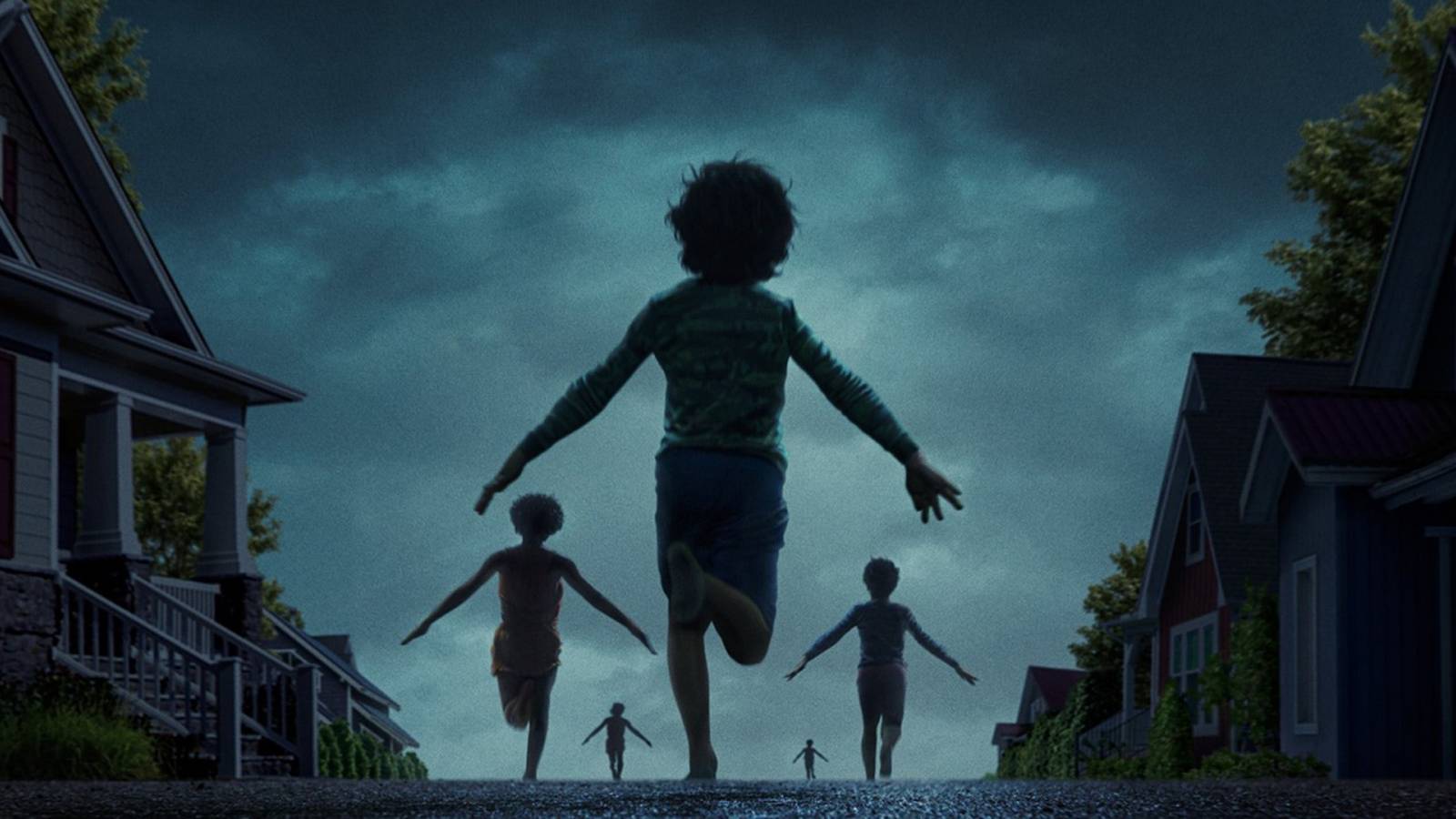
The film opens with an eerie and unforgettable sequence. At exactly 2:17 AM, 17 children from Justine Gandy’s (Julia Garner) third-grade class awaken, walk out of their homes in a trance-like state, and vanish into the night. Security footage captures their synchronized movements, arms outstretched like weapons, a haunting image that sets the tone for the film. The only child left behind is Alex (Cary Christopher), whose survival raises more questions than answers.
In the aftermath, the small-town community is consumed by grief and paranoia. Justine, the children’s teacher, becomes the scapegoat for the tragedy, with accusations ranging from negligence to witchcraft. As the days turn into weeks, the search for the missing children yields no results, and the town’s collective frustration gives way to hostility and finger-pointing. Justine’s car is vandalized with the word “witch,” and her attempts to find solace only lead to more complications, including a tense confrontation with her ex-boyfriend’s wife and a failed stakeout that underscores her desperation.
A Multi-Perspective Narrative
One of the most striking aspects of Weapons is its non-linear, multi-perspective storytelling. Inspired by Paul Thomas Anderson’s Magnolia, the film shifts between the viewpoints of several characters, each grappling with the tragedy in their own way. This fragmented structure allows the audience to piece together the mystery while exploring the personal struggles of the town’s residents.
Josh Brolin delivers a standout performance as Archer, a grieving father determined to uncover the truth. Archer obsessively reviews doorbell camera footage, collaborating with other parents to triangulate the children’s last known location. His journey is both heartbreaking and relatable, capturing the raw emotions of a parent in crisis.
Alden Ehrenreich plays Paul, a police officer whose investigation is marred by incompetence and personal biases. Meanwhile, Austin Abrams portrays James, a junkie more interested in a $50,000 reward than in solving the mystery. These characters, along with Benedict Wong as the school principal and Amy Madigan as Alex’s eccentric aunt, add depth and complexity to the narrative, highlighting the ripple effects of the tragedy on a community already on the brink.
Thematic Depth: Horror Meets Satire
While Weapons is undeniably a horror film, it also serves as a sharp social satire. The movie critiques the inadequacies of institutions like law enforcement and the education system, which are ill-equipped to handle such a crisis. PTA meetings devolve into chaos, and police interrogations yield little progress. The film also explores the darker aspects of human nature, from the community’s collective scapegoating of Justine to individual acts of selfishness and cruelty.
Humor, though dark and often uncomfortable, is woven throughout the film. For instance, a voiceover from a young narrator sarcastically suggests that the police have given up out of embarrassment. This blend of humor and horror creates a unique tonal balance that keeps the audience engaged, even as the story delves into grim territory.
The Climax: A Haunting Third Act
The third act of Weapons takes the film to a new level of intensity and unpredictability. Without revealing too much, the climax combines visceral horror with moments of absurdity, leaving audiences both horrified and amused. The film’s commitment to ambiguity is particularly striking; key questions remain unanswered, and symbolic imagery, such as the triangle motif in the closing credits, invites interpretation without offering clear explanations.
This refusal to provide a tidy resolution may frustrate some viewers, but it aligns with the film’s central theme: the messy, often inexplicable nature of tragedy and human behavior. As Los Angeles Times critic notes, “The rise of evil is more believable than its defeat.”
A Cinematic Achievement
Despite its flaws—such as occasional tonal inconsistencies and a reliance on certain horror clichés—Weapons is a triumph of storytelling and direction. Cregger’s ability to juggle multiple narratives while maintaining a cohesive vision is commendable. The film’s cinematography by Larkin Seiple and its evocative score further enhance the viewing experience, creating an atmosphere that is both haunting and immersive.
Julia Garner’s performance as Justine is a highlight, showcasing her range and emotional depth. The ensemble cast, including Brolin, Ehrenreich, and Christopher, delivers strong performances that ground the film’s more fantastical elements in emotional realism.
In the end, Weapons is more than just a horror film; it’s a meditation on grief, guilt, and the human capacity for both cruelty and resilience. It challenges its audience to confront uncomfortable truths while delivering a cinematic experience that is as entertaining as it is thought-provoking.
As the credits roll, one thing is certain: Zach Cregger has solidified his place as a master of modern horror, crafting a film that will be discussed and debated for years to come.