
Quick Read
- New investigative reports challenge the 1990s murder-suicide rulings for two elderly couples in Wilmslow.
- Coronial reviewers identified patterns linking these deaths to nearly 40 other regional cases, suggesting a potential serial killer.
- Cheshire Constabulary maintains that the original investigations were appropriate and has declined to reopen the cases.
WILMSLOW (Azat TV) – A shadow has fallen over the community of Wilmslow as new investigative reporting released on March 30, 2026, forces a public reckoning with the official narratives surrounding two double-death cases from the late 1990s. While local authorities have long maintained that the deaths of two elderly couples were murder-suicides, the emergence of a high-profile documentary and supporting literature has renewed calls for a re-examination of the evidence, fueling speculation that these tragedies were the work of a single, unidentified assailant known as the ‘Silver Killer.’
The ‘Silver Killer’ Allegations vs. Official Findings
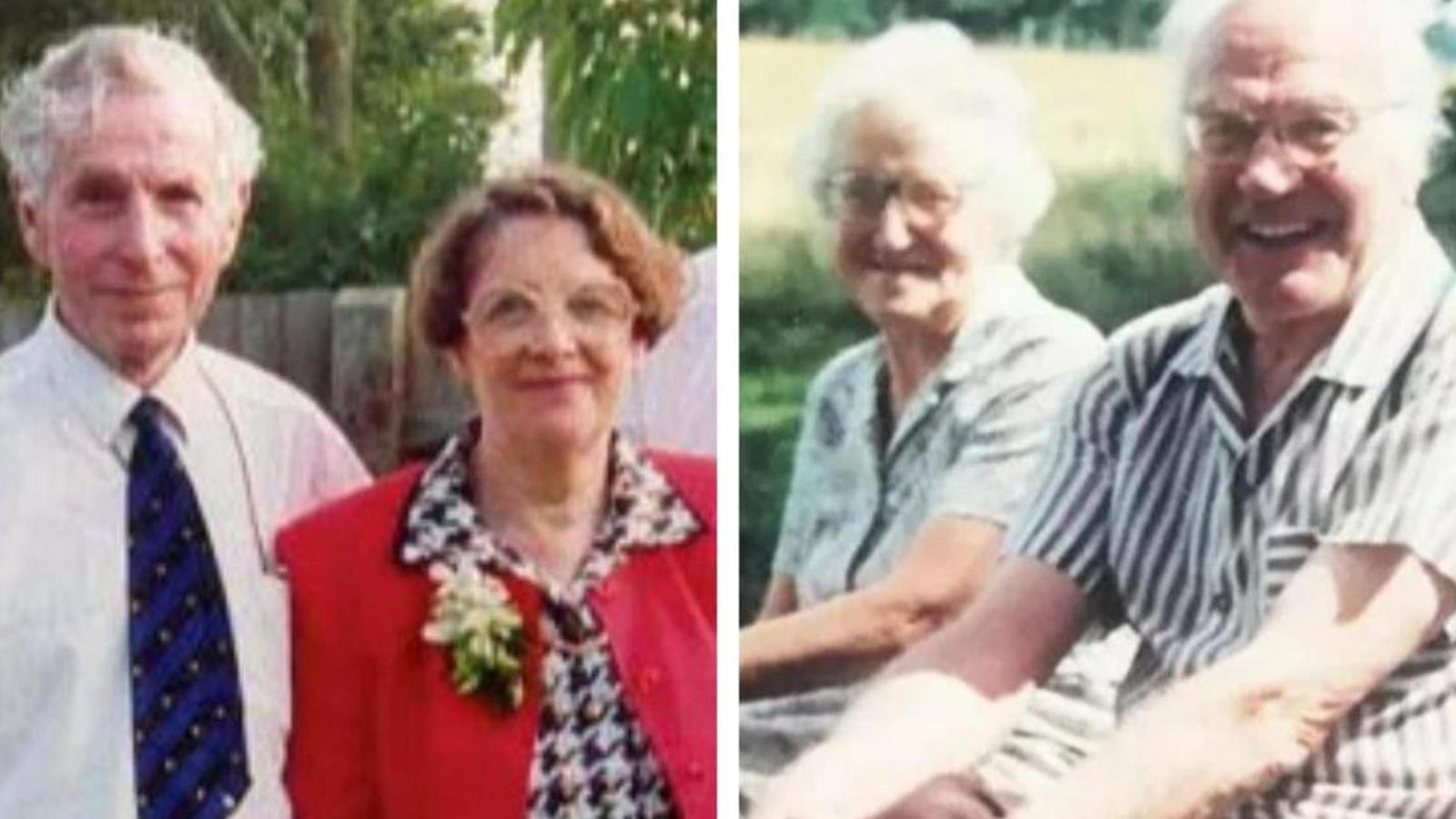
The controversy centers on the deaths of Howard and Bea Ainsworth in 1996 and Donald and Auriel Ward in 1999. Both couples were found dead in their homes, and at the time, police investigators concluded in both instances that the husband had killed his wife before taking his own life. However, modern forensic analysis cited in recent reports suggests these findings are increasingly difficult to reconcile with the evidence. Investigators have pointed to the absence of prior domestic violence history and inconclusive forensic results as indicators that the cases were mischaracterized. Senior coroner’s office representatives have previously noted that a broader review of regional deaths—numbering 39 cases between 2000 and 2019—shows patterns that align with the Wilmslow incidents, yet the Cheshire Constabulary has officially stood by its original investigations, asserting that no further action is warranted.
Stakes for Justice and Public Trust
The persistence of these questions creates a difficult dual reality for Wilmslow. While the town council continues to invest in civic renewal and community grants to foster local pride, the lack of closure regarding these cold cases remains a deep-seated point of tension. For the families of the victims, the ‘Silver Killer’ narrative represents an unresolved demand for accountability. Legal experts suggest that the continued refusal to reopen the files, despite mounting investigative scrutiny, risks eroding public confidence in the integrity of regional law enforcement and the accuracy of historical coronial processes.
The Unresolved Identity of the Suspect
As of March 2026, the identity of the perpetrator remains unknown. Because the cases were never officially classified as murders, no active manhunt is underway. If a serial killer was indeed responsible for these deaths, there is no verified information on their current location or status. The lack of a confirmed perpetrator leaves a void that has been filled by intense media speculation and public debate, highlighting the widening gap between the official institutional stance and the growing body of evidence presented by independent investigators. The recurring nature of these questions suggests that until a formal, transparent review is conducted, the ‘Silver Killer’ will continue to undermine the finality of the original police findings, serving as a reminder that institutional silence often sustains public doubt more effectively than the passage of time.