
Quick Read
- Newfoundland’s eastern region experienced its first major snowstorm of 2026, leading to widespread school and transit closures.
- Schools across the West Midlands, UK, including Birmingham, closed or delayed openings on January 5, 2026, due to heavy snowfall and icy conditions.
- Both regions faced significant travel disruptions, with public transport services affected and hazardous road conditions.
- Authorities in the UK issued yellow warnings for snow and ice, alongside an amber cold health alert, emphasizing safety and preparedness.
- A school in the UK, Higham Lane, was also closed due to a cyber-attack, separate from the weather-related disruptions.
The arrival of 2026 has brought with it an immediate and potent reminder of winter’s power, as significant snowfall has simultaneously gripped regions in both Canada and the United Kingdom. From the eastern shores of Newfoundland to the bustling West Midlands, communities are grappling with widespread school closures, disrupted travel networks, and urgent safety warnings, marking a chaotic start to the new year.
Newfoundland Digs Out: Schools Closed, Transit Halted in Eastern Region
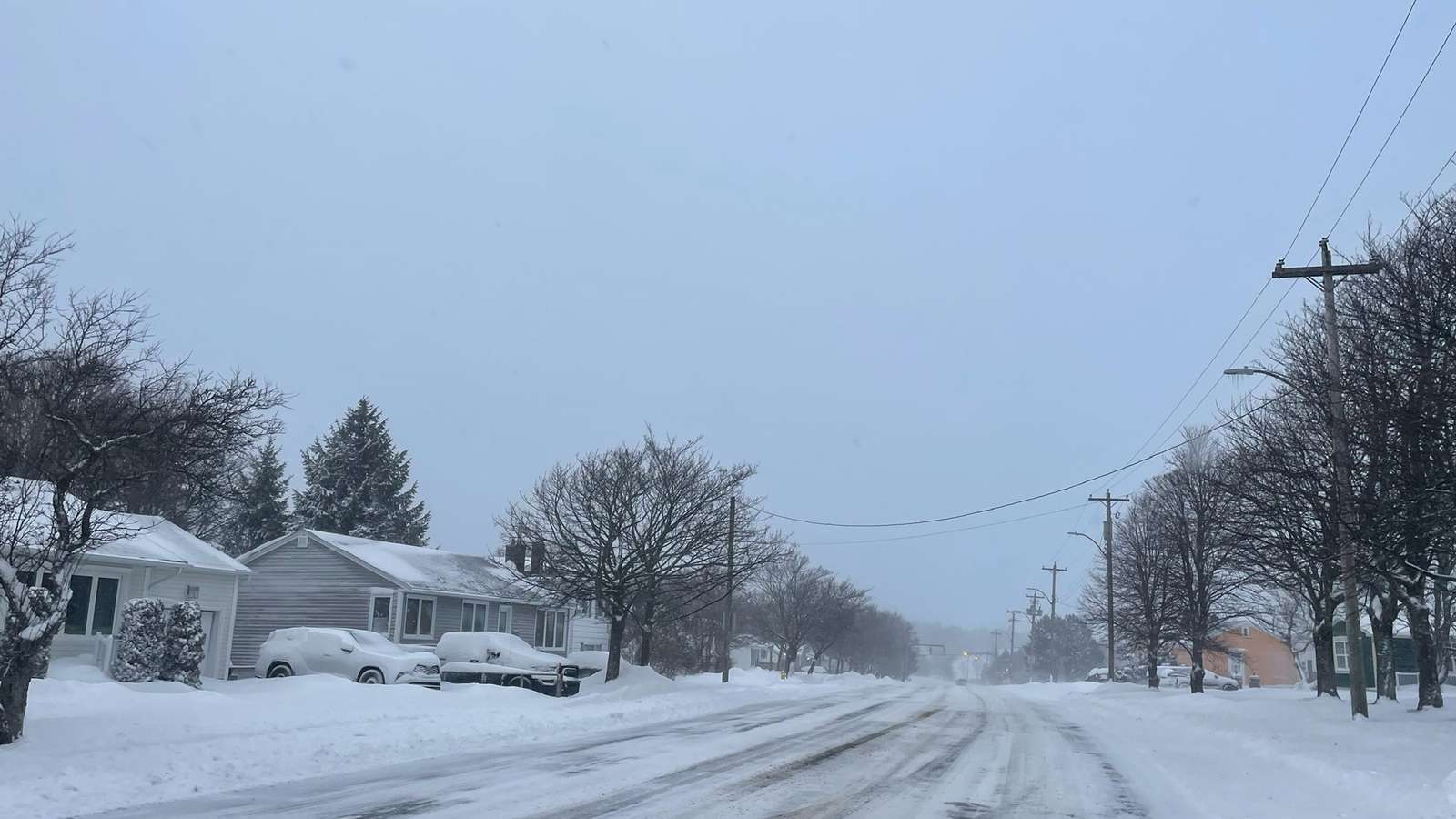
The first major snowstorm of 2026 has swept across the eastern portion of Newfoundland, leaving a trail of disruption in its wake. Residents woke up to a blanket of white and the immediate reality of altered daily routines. All schools in the St. John’s metro area were promptly closed for the morning, with parents and students anxiously awaiting an update at 10:30 am to determine if classes would resume later in the day, as reported by NTV. Beyond the provincial capital, the impact radiated outwards, with numerous other schools in communities like Carbonear, Clarenville, and Bonavista also announcing closures.
The transportation arteries of the region were similarly affected. Metrobus and GoBus services, vital for many commuters, were completely suspended for the morning, with a service update promised for noon. The City of St. John’s, anticipating the severity, preemptively cancelled all morning activities at its recreational facilities. The ripple effect extended to the economy, as government offices, various businesses, and even major shopping centres, including the Avalon Mall, adjusted their operating hours, allowing staff and essential services time to contend with the accumulating snow. The sheer volume of the overnight snowfall, with 12 centimetres recorded at St. John’s International Airport (YYT), coupled with winds gusting between 60-70 km/h, created hazardous road conditions and severely compromised visibility, turning routine commutes into perilous journeys, according to VOCM.
West Midlands Gridlock: Extensive School Closures and Travel Warnings
Across the Atlantic, the West Midlands region of the UK faced its own wintry challenges, as snow fell overnight on January 5, 2026, coinciding with the day children were set to return to classrooms after the two-week Christmas break. This timing amplified the disruption, forcing numerous schools across Birmingham and the wider region to close their doors or delay openings. Schools such as Uplands Manor Primary School in Smethwick, Thorns Collegiate Academy, Alder Coppice Primary School, Caslon Primary, and The Link Academy in Dudley were among those confirming full-day closures due to the treacherous conditions. Some, like Redhill School and Beacon Hill Academy, opted for delayed starts, hoping conditions would improve sufficiently for a partial day of learning.
The Met Office had issued a yellow weather warning for snow and ice across the West Midlands, remaining in effect until 11 am, signaling potential travel disruption and a risk of injuries from slips and falls. Beyond the immediate hazards, an amber cold health alert was also put in place across the Midlands, running until January 9, emphasizing the severe health risks posed by plummeting temperatures, especially for vulnerable populations. This dual warning underscored the urgency of public safety advice.
Travel in the region became a significant concern. Bus services faced widespread diversions and cancellations. National Express urged the public to ‘stay safe’ when traveling, reflecting the precarious road conditions. Routes like the 8 (Walsall-Lichfield) and 28 (Heartlands Hospital-Great Barr) saw significant alterations, bypassing usual stops and redirecting through safer roads. Train services also experienced disruptions across the UK, prompting advice on how passengers could claim compensation for delays, highlighting the far-reaching impact of the weather on daily commutes.
Amidst the weather-induced chaos, a unique incident stood out: Higham Lane School in Nuneaton remained closed, not due to snow, but because of a cyber-attack. This served as a stark reminder that even as communities battled the elements, other unforeseen challenges could disrupt essential services.
Beyond the Snow: UK Faces Further Winter Challenges and Safety Alerts
The immediate snow and ice were just part of the broader winter picture for the UK. Forecasts indicated that the country could face another 37cm of snow within days, with a new 40cm snow storm and temperatures as low as -14C anticipated for the following week. These predictions, coupled with existing amber warnings for snow across parts of northern Scotland and yellow warnings for snow and ice nationwide, painted a grim picture of prolonged severe weather.
Authorities and emergency services intensified their public safety campaigns. West Midlands Police issued a critical warning about car thefts, as officers observed numerous vehicles left running unattended to defrost on driveways, a common mistake in cold weather. They advised drivers to stay close to their cars, use de-icer, and keep keys secure. The West Midlands Fire Service (WMFS) issued a poignant appeal, urging the public to stay away from frozen open water, recalling the tragic loss of four young boys at Babbs Mill Lake three years prior. Emily Fernandez, Head of Prevention at WMFS, stressed that ‘frozen water can look harmless, but it’s one of the most dangerous winter hazards we face,’ emphasizing the deceptive nature of thin ice and the grave dangers it poses to both people and pets.
The Royal Society for the Prevention of Accidents (RoSPA) provided comprehensive advice for drivers, advocating for avoiding unnecessary journeys, thoroughly preparing vehicles (checking lights, brakes, tires, fluids, and de-icing), carrying emergency kits, planning routes, and adapting driving styles by reducing speed and increasing braking distances. For those walking, West Midlands Ambulance Service (WMAS) advised sturdy footwear, layering warm clothing, sticking to gritted paths, and carrying a light in the dark. They also urged residents to check on older or vulnerable neighbours, recognizing the heightened risks cold temperatures pose to these groups.
Even local governance faced scrutiny. Birmingham’s transport chief admitted that ‘it’s not possible’ for the council to grit every street, particularly residential ones, after locals in Bartley Green criticized untreated icy roads. This admission, however, was balanced by a heartwarming story of two quick-thinking teenagers who took matters into their own hands, filling a wheelie bin with salted sand from a council grit bin to treat treacherous local streets, earning widespread praise online.
The Department for Work and Pensions (DWP) also announced that more postcodes, including those in the West Midlands, were eligible for a Cold Weather Payment. This scheme provides £25 for every seven-day period where the temperature drops to zero degrees Celsius or below, offering a crucial financial lifeline to households struggling with increased energy costs.
The early days of 2026 have undeniably set a challenging precedent, demonstrating how rapidly winter conditions can transform daily life into a series of logistical hurdles and safety considerations. The concurrent disruptions in Newfoundland and the West Midlands highlight not only the immediate impact of severe weather on infrastructure and routines but also the critical importance of public awareness, community solidarity, and robust emergency preparedness in navigating the unpredictable forces of nature.