
Quick Read
- Emerald Fennell’s Wuthering Heights opens February 13, 2026, starring Margot Robbie and Jacob Elordi.
- The adaptation is visually bold, with costumes by Jacqueline Durran sparking debate and excitement.
- Box office projections estimate a $20–25 million opening weekend in the US.
- The film’s trailer was labeled ‘aggressively provocative,’ fueling anticipation and controversy.
- Wuthering Heights stands out in a year crowded with literary adaptations.
Wuthering Heights Returns to the Big Screen: A Modern Gothic Storm
Few novels have haunted the collective imagination quite like Emily Brontë’s Wuthering Heights. Now, director Emerald Fennell’s controversial new adaptation, set for release February 13, 2026, is poised to reignite both adoration and debate. With Margot Robbie and Jacob Elordi cast as the doomed lovers Cathy and Heathcliff, Warner Bros. is banking on a stormy, visually arresting film that defies expectations and stirs up the genre.
Provocative Style Meets Classic Tragedy
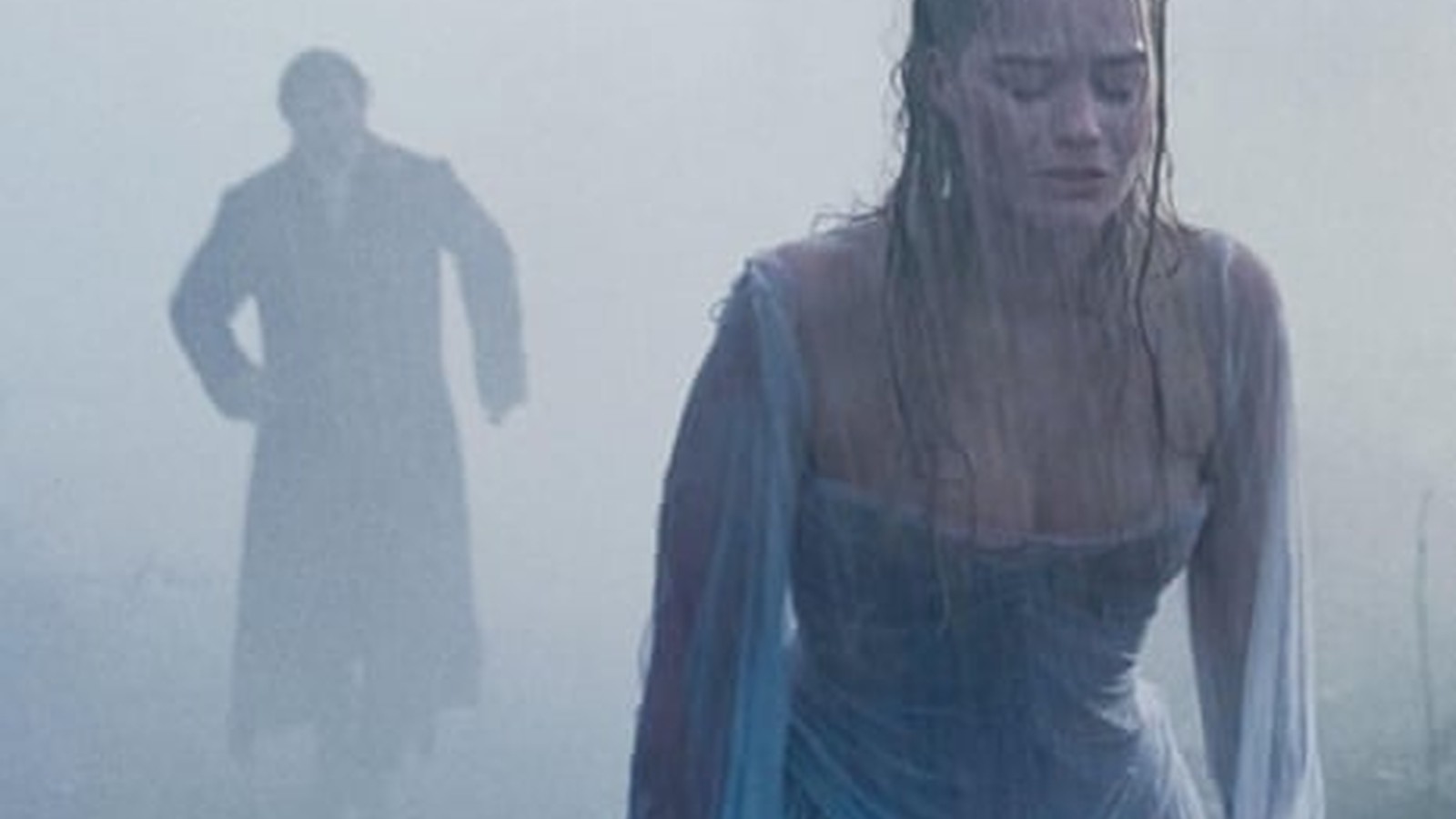
Early trailers and promotional stills have sent social media into a frenzy. The film’s aesthetic—crafted by double Oscar winner Jacqueline Durran—flaunts a riot of costumes: puff-sleeved wedding dresses dripping with Chanel jewelry, funereal black gowns, bold German milkmaid looks, and even shiny red latex. Robbie’s take on Cathy promises both emotional depth and sartorial spectacle, while Elordi’s Yorkshire-accented Heathcliff brings a modern edge to Brontë’s brooding antihero. According to Vogue, the wardrobe alone could be reason enough for fans to flock to theaters, but Fennell’s directorial choices are what truly set this adaptation apart.
The Story: Love, Revenge, and the Moors
At its core, Wuthering Heights remains a tale of obsessive, destructive love and class tension. Set against the windswept Yorkshire moors, Cathy Earnshaw and her adopted brother Heathcliff are entangled in a decades-long saga that explores family, mortality, and the raw pain of passion. Fennell’s version, described as “aggressively provocative” by early audiences (Metro), leans into the darker, erotic undertones of the novel. This boldness has divided critics and fans, with some lauding the film’s willingness to challenge convention, while others question its fidelity to Brontë’s original vision.
The trailer itself, a collision of stark imagery and Charli XCX’s pulsing soundtrack, has been labelled “madcap” and “shockingly modern” (Vogue). The creative risks—costume choices that border on cosplay, contemporary musical elements—are deliberate provocations, forcing audiences to reconsider what a period drama can be.
Box Office Expectations and Cultural Impact
Timed for a Valentine’s Day weekend release, Wuthering Heights stands out among the season’s offerings, counterprogramming against lighter romantic fare and family films. Box office analysts (BoxOfficePro) predict an opening weekend range of $20–$25 million domestically—a strong showing for a literary adaptation, especially one so divisive. For context, the genre has seen extremes: lighter romantic comedies like Isn’t It Romantic and How to Be Single opened in the $14–18 million range, while the more mature, darker romantic dramas of the Fifty Shades series dominated with much higher numbers.
This release strategy reflects a bet on adults seeking something beyond formulaic romance for Valentine’s Day. Fennell’s reputation for edgy, genre-defying work—her previous films Promising Young Woman and Saltburn—suggest that audiences could be ready for a darker, more complex love story. The anticipation is fueled not only by star power and aesthetic innovation, but also by the film’s promise to reinterpret a beloved text for a new generation.
Reactions: Shock, Anticipation, and Literary Debate
The adaptation has sparked fierce debate among literary purists and cinema buffs. Letters published in The Guardian liken the story’s tragic trajectory to Greek drama, arguing that such depth deserves a trilogy format. Yet, most agree that Fennell’s film, by amplifying the erotic and psychological tensions, honors the original’s spirit of transgression.
Margot Robbie’s casting as Cathy has been both celebrated and critiqued, with fans dissecting every still for clues to the character’s portrayal. Jacob Elordi, fresh off a string of high-profile performances, brings intensity to Heathcliff—his rugged charm and emotional volatility seem tailor-made for the role. The supporting cast, though less publicized, is expected to deliver strong performances that add layers to the central conflict.
Industry insiders (Onmanorama) describe the film as a “stormy, visually stunning tale of love and revenge,” emphasizing its character-driven narrative and emotional stakes. The combination of new talent, layered storytelling, and fearless stylistic choices suggests a film that could redefine how classic literature is adapted for contemporary audiences.
Wuthering Heights in Context: The 2026 Literary Boom
2026 is shaping up as a landmark year for literary adaptations. Alongside Wuthering Heights, viewers will see new versions of The Odyssey, Sense & Sensibility, and Verity, among others. This wave reflects Hollywood’s ongoing fascination with reimagining classic stories—sometimes with radical twists, sometimes with meticulous attention to period detail.
Within this crowded field, Fennell’s vision stands out for its willingness to disrupt. Whether the film will resonate with die-hard Brontë fans or alienate them remains to be seen, but it’s clear that the conversation around Wuthering Heights is just beginning.
Emerald Fennell’s Wuthering Heights may polarize audiences, but it undeniably reclaims Brontë’s novel as a living, adaptable work—one that’s as relevant and unsettling in 2026 as it was in 1847. By daring to break with tradition and inject new energy into a well-worn tale, the film challenges viewers to see the moors, and the characters who haunt them, in a startling new light.