
Quick Read
- WWE SmackDown in Perth featured a series of creative changes, including the return of original entrance themes for several superstars.
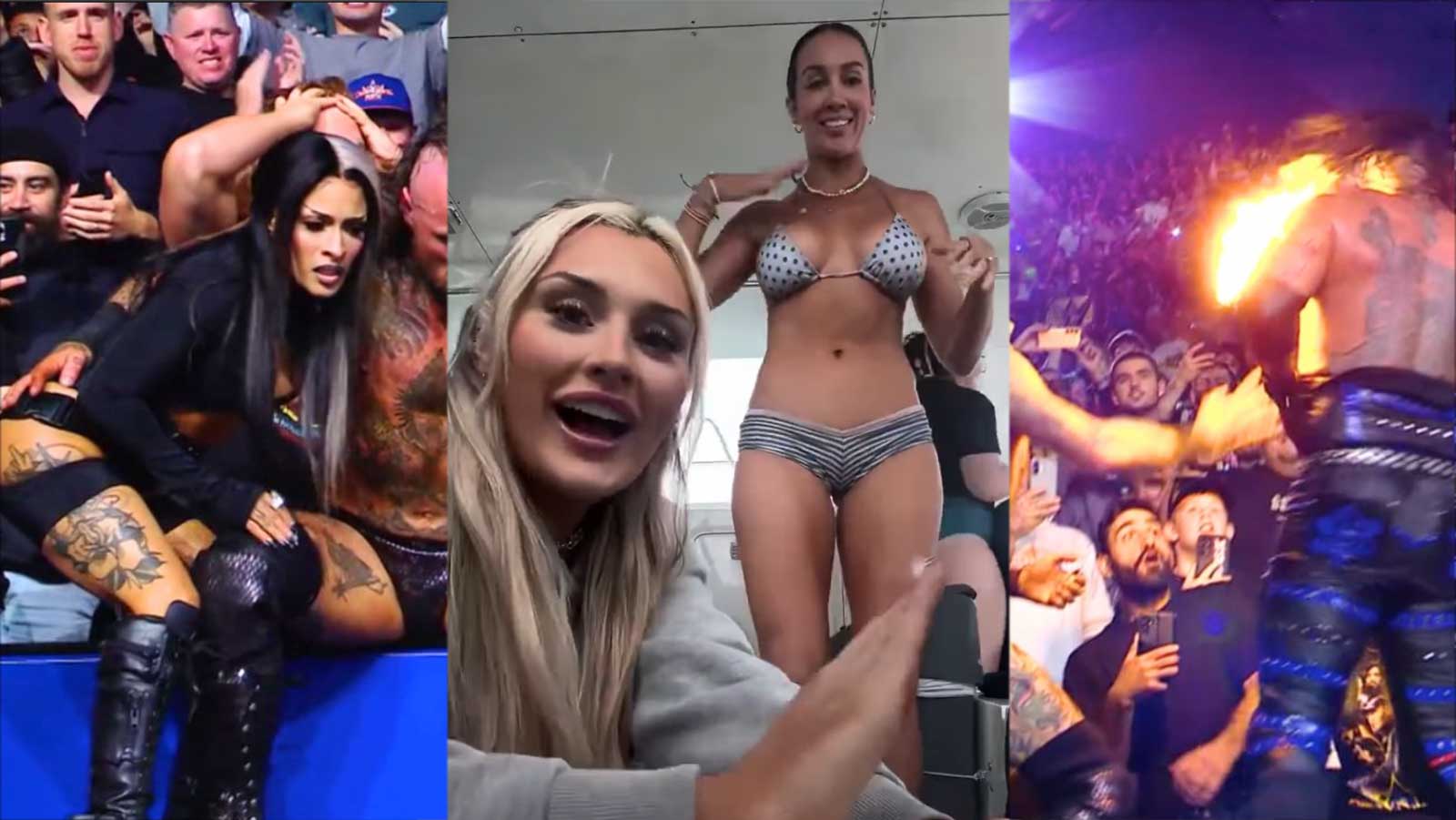
- Aleister Black threw a fireball at Damian Priest, with WWE acknowledging his real-life marriage to Zelina Vega for the first time.
- Tama Tonga made his return after injury, energizing the live crowd.
- The episode was part of a broader creative team shift within WWE, aiming for a more dynamic show.
- Fans and analysts described the episode as ‘revitalized,’ suggesting a new era for SmackDown.
SmackDown in Perth: A New Chapter Begins
On a vibrant Friday in Perth, Australia, WWE SmackDown delivered an episode that many fans described as ‘revitalized’—a word that carries weight when the blue brand has been searching for fresh momentum. This taping, broadcast for a global audience, marked a clear creative shift in the show’s style and substance. The company’s internal creative team, per BodySlam.net, has been undergoing changes aimed at making WWE’s flagship Friday show feel more dynamic, and the impact was palpable.
Original Entrance Themes Make a Triumphant Return
One of the first, most obvious changes came through the sound system. Several superstars—including Sheamus and Drew McIntyre, who had reportedly lobbied for these adjustments—walked out to their classic entrance themes, a move confirmed by WrestleVotes on X. The crowd’s reaction was immediate: nostalgia, excitement, and a sense that the wrestlers themselves were reconnecting with their roots. Shinsuke Nakamura, for instance, reverted to his original babyface look and theme, abandoning the darker aesthetic of his recent heel run. This wasn’t just a musical update; it was a visual and emotional reset for the performers.
For months, fans and insiders alike have discussed the impact of entrance music on a wrestler’s identity. In Perth, those conversations manifested on stage, as the crowd’s cheers suggested that this simple change could have a lasting effect on how audiences engage with their favorite superstars.
Dramatic Storytelling: Fireballs and Real-Life Relationships
If music set the tone, the night’s storytelling raised the stakes. The rivalry between Aleister Black and Damian Priest took a theatrical turn, with Black hurling a fireball into Priest’s face—one of WWE’s rare forays into stage magic and dramatic effects. This segment wasn’t just about spectacle; it served as a catalyst for a deeper narrative.
For the first time, WWE acknowledged the real-life marriage between Aleister Black and Zelina Vega on television. The move drew attention from fans who had followed their relationship off-screen, blurring the lines between reality and storyline. As WrestlingNewsSource reported, integrating personal lives into the show’s fiction has been an increasingly common trend in wrestling, but doing so with such a high-profile couple signals a willingness to take creative risks.
The fireball incident itself, while dramatic, also marked a turning point in the Black-Priest rivalry. It’s not every week that WWE dips into the bag of theatrical tricks, and when it does, it usually means the story is about to intensify. The Perth crowd responded with a mix of shock and anticipation—exactly the reaction producers aim for when staging pivotal moments.
Superstar Returns and the Energy of the Perth Crowd
Beyond music and narrative, SmackDown’s Perth taping featured another significant development: the return of Tama Tonga, who had been sidelined for several weeks due to injury. Tonga’s comeback was met with enthusiasm, and it seemed to energize both the audience and his fellow competitors. In wrestling, a returning superstar is often a signal that new storylines—or the resolution of old ones—are on the horizon.
The crowd’s energy was a story in itself. Social media buzzed with praise for the episode’s pacing and unpredictability. Fans posted that the show felt ‘revitalized,’ a sentiment echoed by critics in reviews such as Post Wrestling. The blend of restored themes, dramatic segments, and star power gave the night a sense of importance, as if WWE was consciously steering SmackDown into uncharted waters.
Behind the Scenes: Creative Team Adjustments and Industry Context
These on-screen changes are the result of a deeper process. According to BodySlam.net, WWE has adjusted its internal creative teams, seeking to freshen up the product and respond to fan feedback. This shift isn’t happening in isolation: it’s part of a broader strategy that includes competition with other wrestling promotions, such as NXT and AEW, which are also battling for ratings and audience loyalty.
Recent industry news—like Santos Escobar re-signing with WWE and Kota Ibushi’s injury at an AEW taping—adds further context. Wrestling is an ecosystem, where creative decisions in one company ripple across the industry. SmackDown’s willingness to innovate, restore beloved elements, and integrate real-life stories could be a blueprint for how WWE adapts to a changing landscape.
Fan Engagement and the Road Ahead
WWE’s commitment to fan engagement was visible throughout the Perth taping. The company promoted interactive platforms, encouraging viewers to join discussions, comment on news, and connect with fellow fans. This strategy isn’t just about social media—it’s about building a community that feels invested in the product’s evolution.
As SmackDown moves forward, the question is whether these creative shifts will become the new normal or remain isolated to special episodes. For now, the combination of restored themes, dramatic storytelling, and returning stars has given the blue brand a much-needed jolt. The Perth episode may well be remembered as the night SmackDown redefined itself for a new era.
The events in Perth suggest that WWE’s blue brand is embracing bold changes, both musically and narratively. By listening to its talent and fans, and by integrating real-world relationships into its stories, SmackDown is positioning itself at the forefront of wrestling entertainment’s ongoing evolution. If these shifts continue, the blue brand could set a new standard for how sports entertainment connects with its audience—authentically, emotionally, and with a willingness to take risks.