
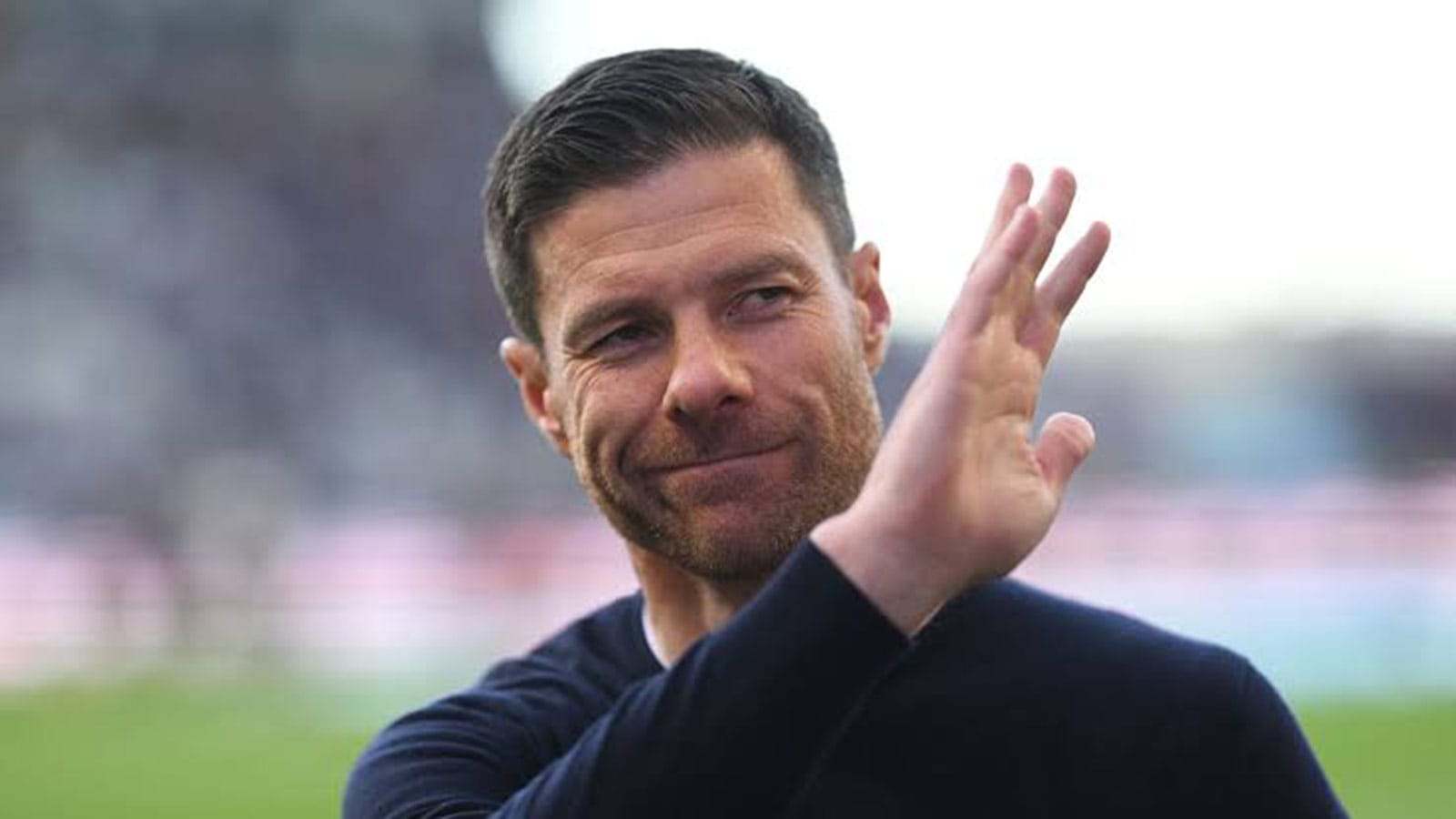
Quick Read
- Xabi Alonso’s Real Madrid suffered a heavy 5-2 loss to Atletico Madrid, ending their perfect La Liga start.
- Internal tensions surfaced after Fede Valverde was dropped for expressing reluctance to play right-back.
- Jude Bellingham and Arda Guler’s roles remain unsettled, as Alonso seeks tactical balance.
- Madrid’s record against elite teams is under scrutiny after defeats to Atletico and PSG.
- Secret negotiations continue between UEFA and Super League proponents, with Real Madrid’s leadership involved.
Alonso Under Pressure After Atletico Setback
Xabi Alonso’s tenure at Real Madrid has reached a pivotal moment. Last weekend’s 5-2 derby defeat at the hands of Atletico Madrid didn’t just end their perfect start to the La Liga campaign—it sparked a week of soul-searching in the Spanish capital. The loss has left players and fans alike questioning the team’s resolve against elite opposition, and Saturday’s clash against Villarreal could be the crucible in which Alonso’s leadership is truly tested.
The aftermath of the defeat has rippled through the squad. Striker Kylian Mbappe, whose goal-scoring form has been one of Madrid’s few bright spots this season, was clear in his assessment: “We cannot forget what happened,” he said, urging his teammates to work harder to avoid another such night. Midfielder Fede Valverde echoed the sentiment, repeatedly citing a lack of “attitude” when reflecting on the derby loss. According to Flashscore.com, Valverde’s comments did not go unnoticed. Alonso responded by dropping the Uruguayan from the Champions League fixture against Kairat—a move interpreted by some as a disciplinary measure after Valverde expressed reluctance to fill in at right-back, a position he’d previously covered due to injuries to Trent Alexander-Arnold and Dani Carvajal.
Internal Tensions and Tactical Dilemmas
The story unfolding behind the scenes is one of competing priorities and personalities. Valverde took to social media to defend his commitment: “They can say many things about me, but under no circumstances can they say that I refuse to play.” He insisted that he has always given everything for the club—even playing through injuries. Yet, Alonso opted for Raul Asencio at right-back against Kairat, a subtle but telling signal about the coach’s expectations.
Alonso’s challenges go beyond squad discipline. England international Jude Bellingham, signed with high hopes, has struggled to find his rhythm. His first start of the season came in the ill-fated match against Atletico, where his impact was muted. Against Kairat, Bellingham began on the bench but was introduced as a substitute—a rotation reflecting Alonso’s ongoing search for the right balance in midfield. The shuffle pushed Turkish playmaker Arda Guler, who has impressed in a central role, out to the wing, raising questions about whether Madrid’s tactical approach is maximizing the talent at Alonso’s disposal.
Even star winger Vinicius Junior showed frustration after being substituted against Kairat, leaving observers to wonder whether Alonso’s man-management style is resonating with his most influential players.
Madrid’s Record Against Elite Teams Under Scrutiny
While Real Madrid remain only a point behind league leaders Barcelona and two ahead of Villarreal, doubts persist about their ability to compete with Europe’s top sides. Last summer’s 4-0 defeat to Paris Saint-Germain in the Club World Cup and the recent thrashing by Atletico have fueled fears that the team struggles when the pressure is highest. Their Champions League run last season ended in the quarter-finals against Arsenal, underscoring a pattern of faltering in marquee fixtures.
So far, Madrid’s La Liga success has largely come against bottom-half teams, with Espanyol the only notable opponent at the Santiago Bernabeu. Villarreal’s visit, then, becomes more than just another league match—it’s a litmus test for Alonso’s ability to inspire his squad when it counts.
Mbappe’s prolific scoring—13 goals in nine appearances across all competitions—offers hope, but questions remain about whether individual brilliance can compensate for broader structural issues.
Broader Context: Super League Talks and Club Dynamics
While on-pitch matters dominate headlines, Real Madrid’s leadership continues to shape the club’s future off the field. According to Madrid Universal, secret negotiations have been underway between UEFA, A22 (the company representing the Super League), and officials from Madrid and Barcelona. The goal: avoid a breakaway competition by reforming the Champions League. President Florentino Perez remains a vocal supporter of the Super League, advocating for a new format that would see the top 18 teams face off in early group stages—potentially increasing revenues and global fan engagement.
The proposed changes could take effect in 2027, coinciding with a new commercial cycle for broadcasting rights. Improved relations between UEFA and Super League proponents signal a shift from previous hostilities, though final approval is still pending in Nyon.
Looking Ahead: Villarreal as a Defining Challenge
As Alonso prepares his team for Villarreal, the stakes are clear. Madrid must prove they can rise to the occasion against high-quality opposition. For the coach, navigating the delicate balance of discipline, tactical innovation, and player management will determine whether this season’s ambitions remain intact.
Beyond Madrid, La Liga’s competitive landscape continues to evolve. Barcelona, led by Hansi Flick, aim to maintain their advantage at the top with a visit to Sevilla, while Antoine Griezmann’s milestone 200th goal for Atletico in the Champions League is a reminder of the individual brilliance that defines Spanish football.
For Alonso, however, the focus remains squarely on Villarreal. A positive result could restore confidence and silence doubters—at least for now. But with internal debates and external pressures mounting, the real test may lie in how Madrid respond to adversity, not just in the scoreline, but in their unity and resolve.
Alonso’s challenge at Real Madrid now transcends tactics and team selection; it’s a test of leadership in the face of scrutiny, where results against elite rivals will either cement his authority or expose the limits of his approach.