


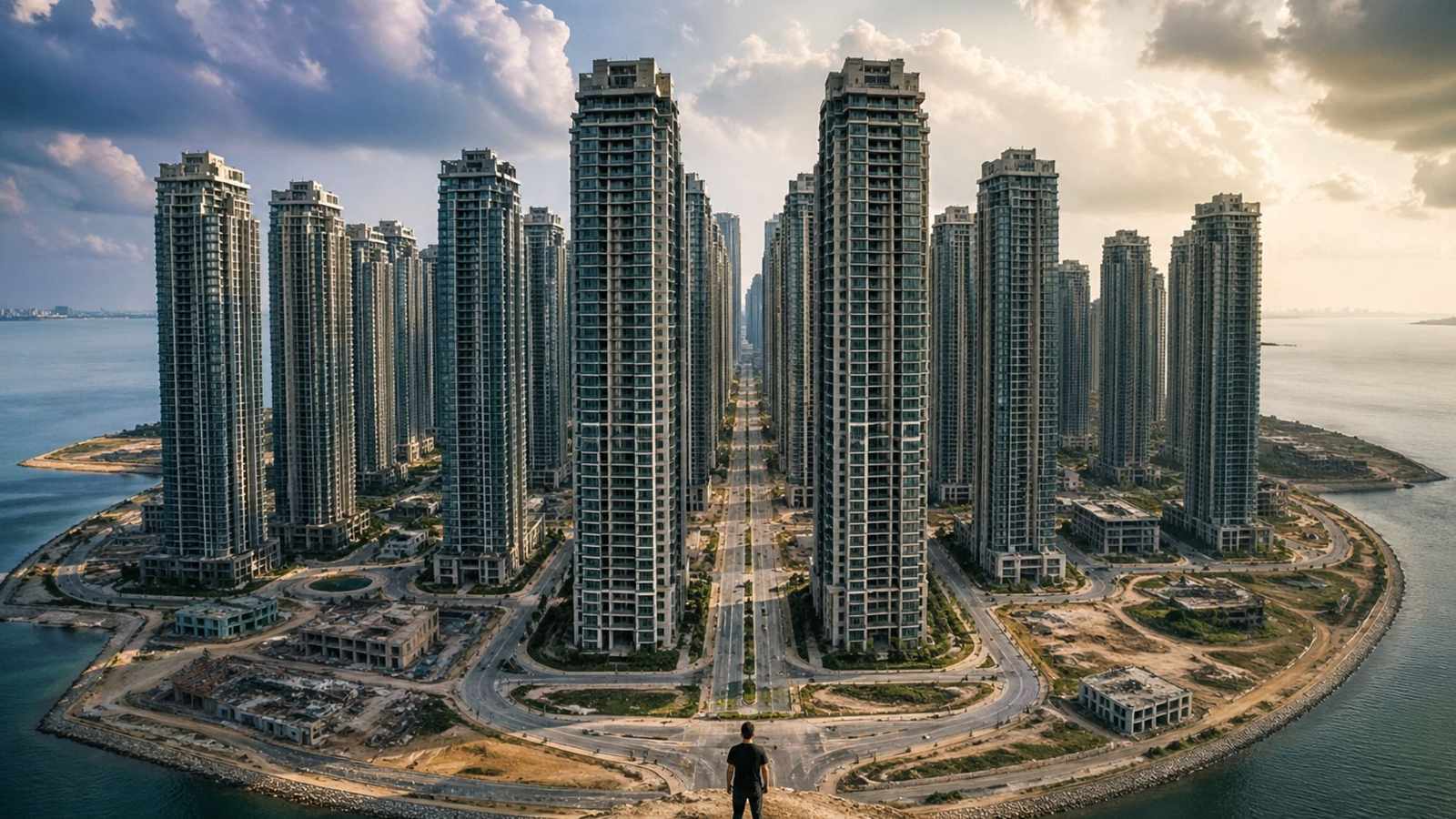
The Anatomy of an Overheated Market
In Yerevan, the persistent climb of property prices has moved from a topic of casual conversation to a critical stress point for the city’s social fabric. As young families struggle to secure housing, the market finds itself at a precarious junction, mirroring global trends where asset prices have decoupled from local income realities. While cities like Miami currently top international indices for bubble risk—measured by the widening chasm between median incomes and home values—Yerevan’s trajectory suggests a similar, albeit localized, phenomenon driven by capital inflows and speculative demand.
Global Shifts and Local Realities
The international landscape offers a stark warning of what happens when urban development prioritizes capital absorption over resident accessibility. From the emergence of ‘ghost cities’ in China to the extreme speculation seen in projects like Turkey’s Burj Al Babas, the global experience demonstrates that artificial land supply or high-end construction does not automatically translate into functional urbanism. Recent policy shifts in hubs like Dubai, which has removed minimum property value thresholds for investor visas, highlight a global trend of linking residency directly to real estate participation. This strategy, while effective at attracting foreign capital, often exacerbates the affordability crisis for local populations.
The Stakes of Institutional Accountability
The core challenge for Yerevan lies in ensuring that the housing market serves the needs of its citizens rather than functioning solely as a vehicle for wealth preservation. When housing becomes primarily an investment product, the democratic right to shelter is undermined by market forces that favor those with existing capital. Institutional transparency and sound urban planning are no longer optional; they are essential safeguards against the systemic financial instability that historically follows the bursting of a property bubble. As economic indicators begin to suggest a potential plateau in demand, the focus must shift toward sustainable, equitable growth that protects the most vulnerable participants in the housing market.