


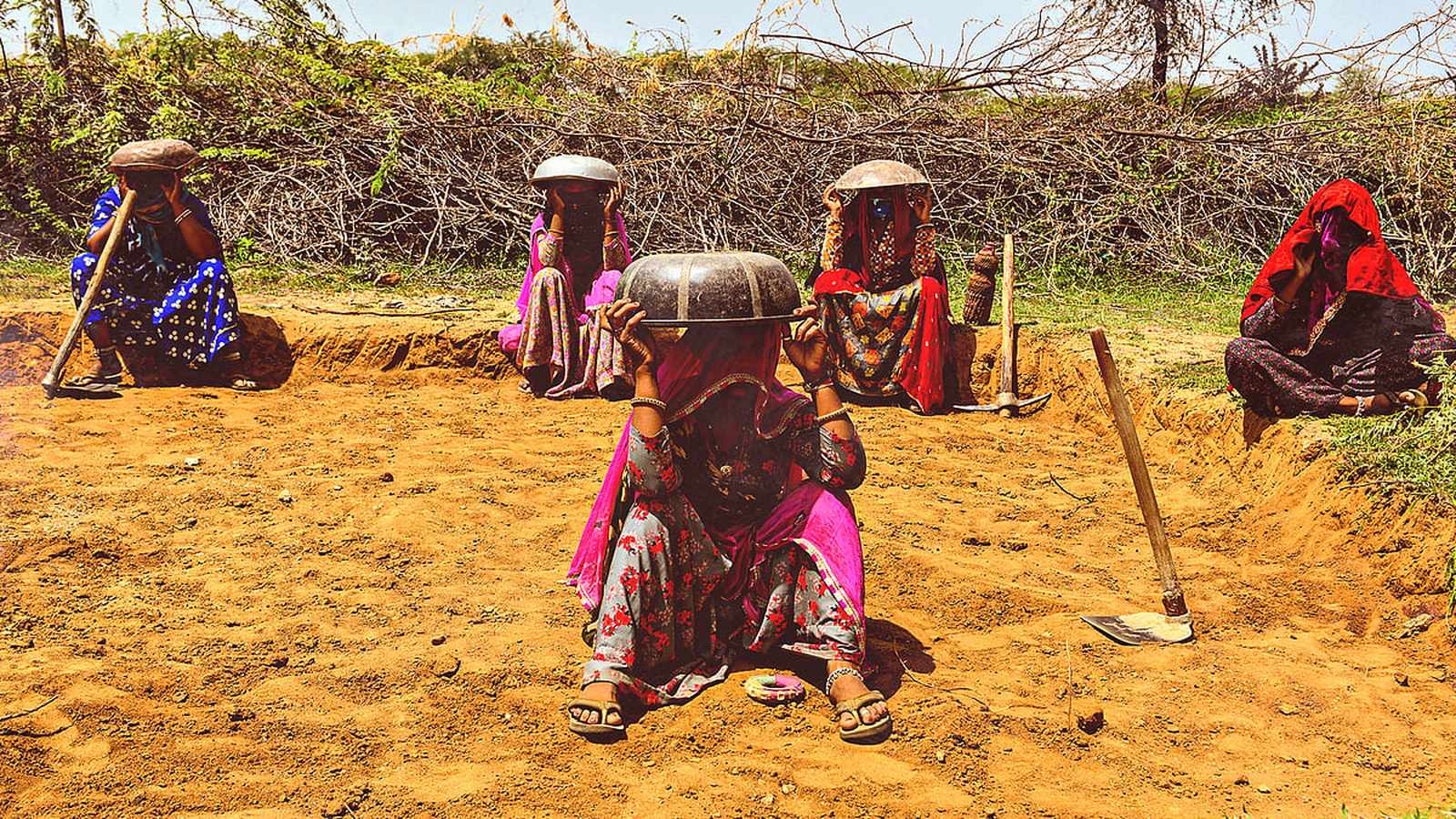
New reports and developments across Asia on June 22, 2026, reveal a complex, dual-track reality for migrant workers. While research from Azim Premji University highlights how economic distress drives younger, more educated Indian migrants across greater distances, legal and diplomatic challenges in Malaysia and Singapore underscore the vulnerability of these workers to exploitation and wage theft.
The ‘Distance Paradox’ in Indian Labor Migration
According to the State of Working India 2026 report, co-authored by researcher Tamoghna Halder, India is witnessing a “distance paradox.” Contrary to the assumption that higher education expands a worker’s radius of opportunity, the study found that less-educated informal workers from eastern states travel the furthest to find employment. In contrast, higher-educated migrants tend to remain closer to their origin zones, often searching for formal sector roles.
The data suggests that informal migration acts as a systemic outlet for demographic pressure. States with lower per capita income and younger populations, such as Uttar Pradesh and Bihar, are primary sources of migrant labor for more economically dynamic regions. The study notes that nearly two in five migrants are under the age of 30, significantly higher than the proportion in the overall unorganized workforce.
Exploitation and Diplomatic Friction
While India’s internal migration highlights structural economic shifts, international labor markets are facing acute crisis management. In Malaysia, Prime Minister Tarique Rahman of Bangladesh urged the Malaysian government to reopen its labor market during bilateral talks with Prime Minister Datuk Seri Anwar Ibrahim. Kuala Lumpur had restricted Bangladeshi hiring since 2024 following widespread allegations of debt bondage and forced labor.
Simultaneously, Singapore’s Ministry of Manpower (MOM) launched an investigation into two firms, KPA Engineering and S K Industries, after over 100 migrant workers gathered at the ministry’s service center on Monday. Workers reported being owed up to three months of back wages, with some claiming the companies had become unreachable. The incident highlights the persistent risk of wage theft and poor housing conditions that continue to plague migrant workforces even in highly regulated environments.
Analysis: The Need for Structural Reform
The convergence of these events suggests that migration is no longer just a byproduct of regional inequality—it is a critical, albeit fragile, component of modern economic stability. In India, the ‘rebalancing’ of the demographic dividend through labor mobility is hindered by a lack of formal job creation. As workers become more educated, their aspirations for stable employment are increasingly unmet by the current reliance on informal, long-distance migration.
Internationally, the reliance on migrant labor in Southeast Asia remains high, yet the institutional mechanisms to protect these workers—such as the proposed transparent recruitment systems in Malaysia—remain in their infancy. The Singapore case serves as a reminder that without robust, proactive enforcement of employment laws, migrant workers remain disproportionately susceptible to corporate bankruptcy and exploitation. Policymakers face a dual challenge: creating formal pathways for work that align with the rising educational levels of the global youth, and establishing rigorous, cross-border protections to ensure that economic necessity does not lead to humanitarian crisis.