
Quick Read
- Yosemite National Park is ending its vehicle reservation system for the 2026 summer season.
- The policy change marks a reversal of multi-year efforts to control park congestion via pre-booked entry.
- The decision coincides with renewed cultural interest in the park’s history, underscored by the recent acquisition of a 171-year-old landscape sketch.
YOSEMITE (Azat TV) – Yosemite National Park officials have officially announced that vehicle reservation requirements will be discontinued for the 2026 summer season. This policy shift marks a definitive end to the reservation system that has governed visitor access for the past several years, representing a major transition in how the National Park Service manages the balance between high visitor volume and the preservation of the park’s wilderness experience.
Shifting Access Policies at Yosemite
The removal of the reservation mandate is expected to significantly alter traffic patterns and visitor numbers within the park. For several consecutive years, the National Park Service utilized mandatory pre-booked entry slots to mitigate congestion and protect the integrity of the valley’s sensitive ecosystems. By reverting to open access, officials are signaling a new phase in park management, though the change raises immediate questions regarding how the park will handle peak-season density without the regulatory buffer that reservations previously provided.
Cultural Preservation and Historical Context
While policy shifts focus on modern logistical challenges, the park’s cultural significance remains a focal point for conservationists. Recently, the acquisition of a rare 171-year-old sketch of the Yosemite landscape by the Library of Congress has reignited public interest in the park’s historical identity. This piece of art serves as a poignant reminder of the early efforts to document the majesty of the Sierra Nevada, contrasting sharply with the 21st-century reality of managing millions of visitors. The juxtaposition of this archival discovery against the current debate over overcrowding highlights the ongoing struggle to protect a landscape that has become both a global tourist destination and a fragile ecological shrine.
Managing the Visitor Experience
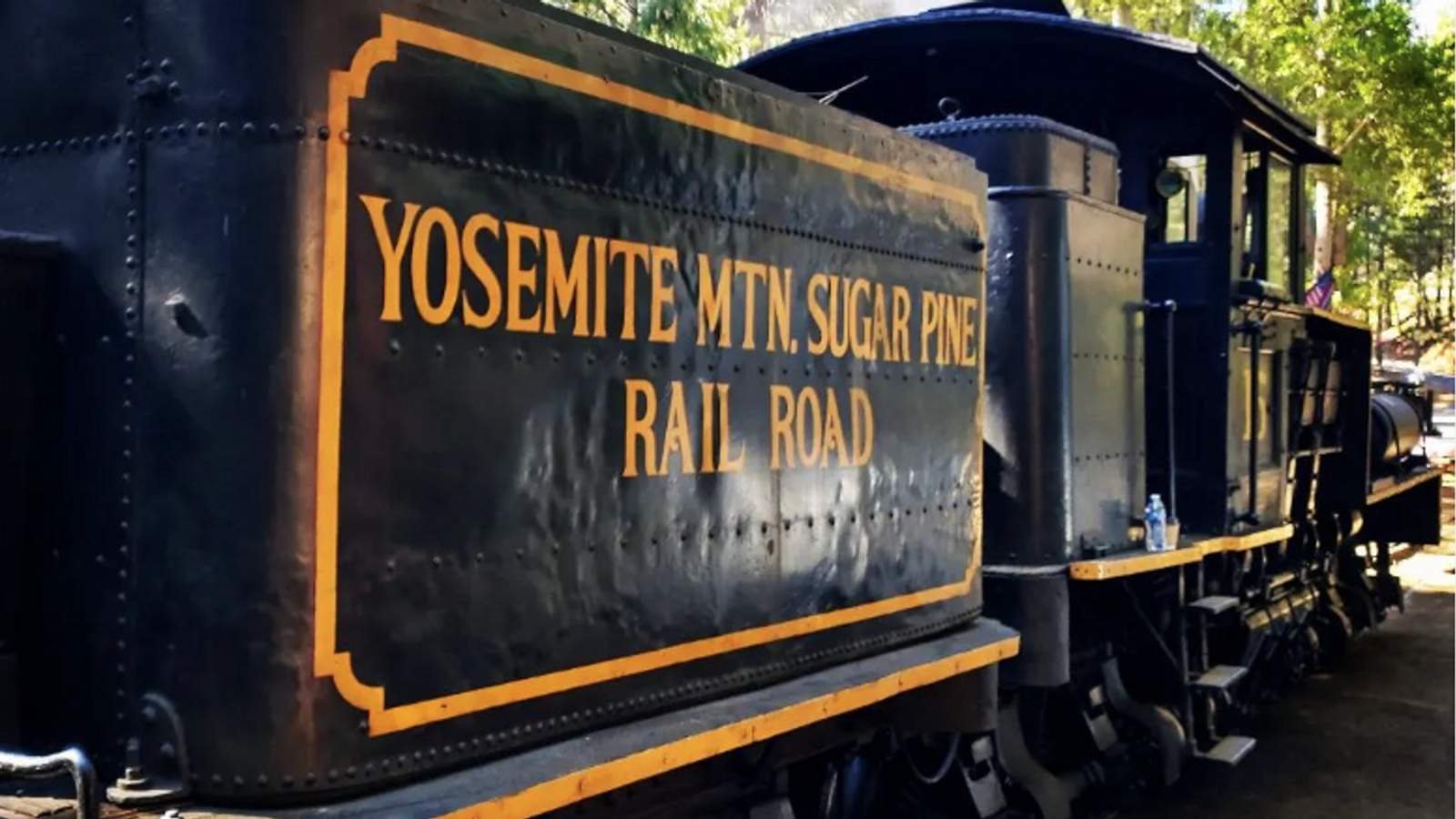
As the park prepares for a summer without entry mandates, local stakeholders are observing the transition with caution. Nearby attractions, such as the Yosemite Mountain Sugar Pine Railroad, have already begun their seasonal operations, anticipating a potential surge in regional tourism as access barriers are lifted. The challenge for the 2026 season will be maintaining the quality of the visitor experience while ensuring that the infrastructure—ranging from roads to trailheads—can accommodate the anticipated increase in vehicular traffic.
The decision to abandon the reservation system reflects a strategic, if risky, pivot toward prioritizing open public access, placing the burden of resource protection on real-time management rather than pre-emptive scheduling.