
Quick Read
- Yvette Cooper hosted a high-level Western Balkans summit in Northern Ireland, emphasizing European security.
- Cooper announced £4m for cyber defenses and £10m to combat people-smuggling in the region.
- She defended digital ID systems for children as young as 13, sparking debates about privacy and state overreach.
- Cooper’s leadership bridges global diplomacy and domestic policy, reflecting her influence in UK politics.
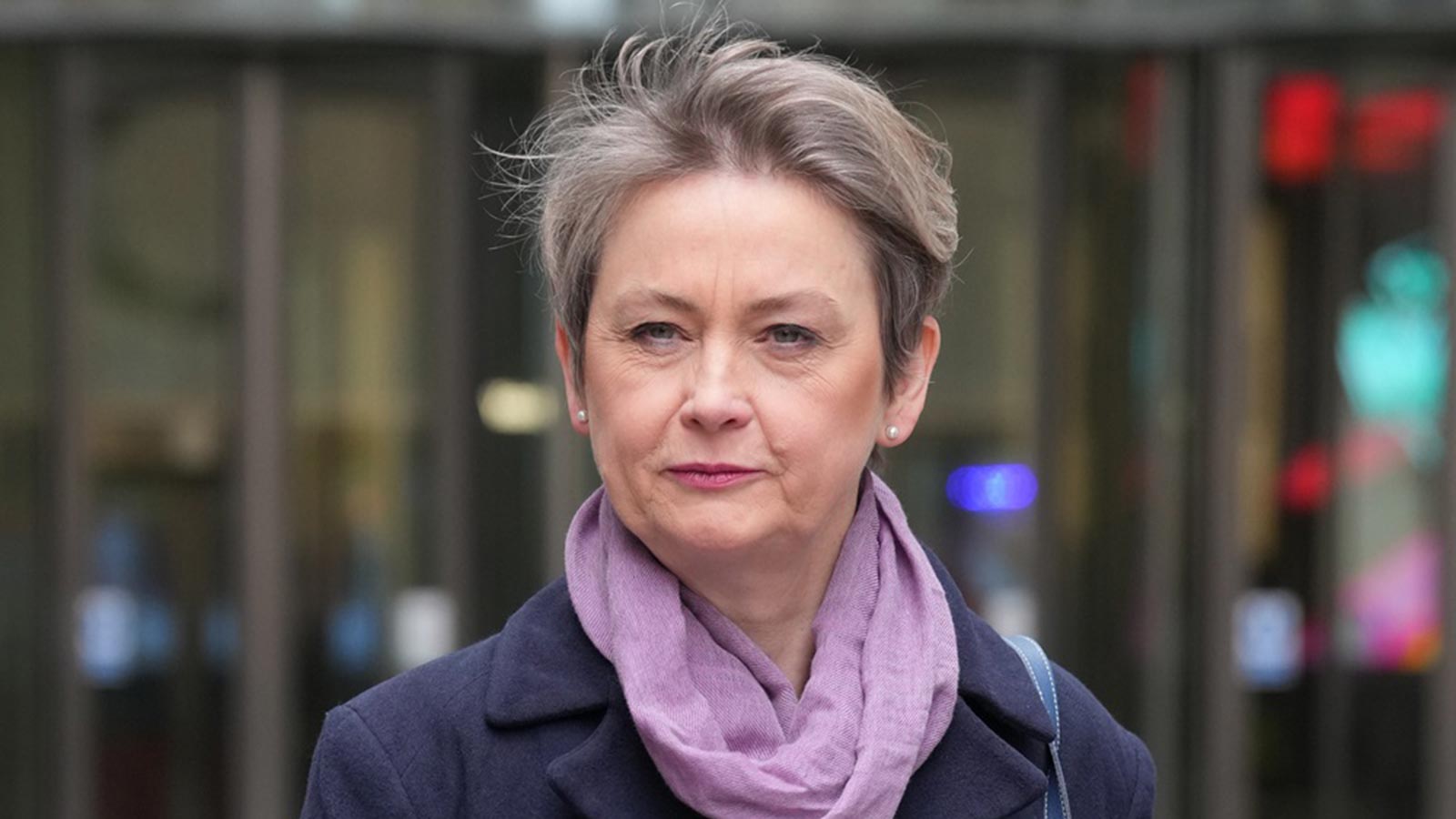
Foreign Secretary Yvette Cooper has emerged as a significant figure in UK politics, particularly through her leadership in addressing international security challenges and domestic policy debates. From her efforts to foster stability in the Western Balkans to her advocacy for digital ID systems for young citizens, Cooper’s multifaceted approach reflects her role as a key player in shaping the UK’s future.
Strengthening Stability in the Western Balkans
Yvette Cooper has recently reaffirmed the UK’s commitment to ensuring stability and security in the Western Balkans. Hosting a high-profile summit at Hillsborough Castle in Northern Ireland, she brought together foreign ministers from countries such as North Macedonia, Bosnia and Herzegovina, Serbia, Montenegro, Albania, and Kosovo, alongside European allies including France, Austria, Greece, and Italy. The summit symbolized the importance of international collaboration in addressing regional challenges, particularly in the face of increasing Russian hybrid threats.
During the summit, Cooper emphasized the interconnectedness of European security, stating, “We know that security in the Western Balkans affects the security of the whole of Europe and the UK.” Her leadership also included the announcement of a £4 million project aimed at enhancing cyber defenses and countering disinformation in the region. Additionally, she unveiled a £10 million investment to combat organized immigration crime, focusing on people-smuggling and trafficking in the Balkans.
The discussions also drew upon Northern Ireland’s historic peace process as a model for reconciliation, with Cooper highlighting parallels to the region’s efforts to overcome its own history of conflict. The UK’s experience with the Good Friday Agreement and its lessons in fostering peace served as a cornerstone of the summit’s agenda, emphasizing the potential for transformative change through dialogue and cooperation.
The Debate Over Digital ID for Youth
On the domestic front, Yvette Cooper has been at the center of debates surrounding the introduction of a digital ID system in the UK. The proposal, which could extend to children as young as 13, has sparked both support and criticism. Cooper defended the initiative, arguing that many teenagers already use forms of digital identification and that a standardized system would provide consistency and security.
“Everybody has forms of digital ID, don’t they, now?” Cooper remarked during an interview. She emphasized that the consultation process would explore the best approaches to implementing the system, ensuring it aligns with societal needs while addressing concerns about privacy and state overreach. Critics, including privacy advocacy groups and political opponents, have expressed reservations about the potential for “mission creep” and the broader implications of mandatory digital ID systems.
Despite the controversy, Cooper and Prime Minister Keir Starmer have pointed to international examples, such as India’s Aadhaar system, as models of success. They argue that a well-implemented digital ID system could streamline public services, enhance migration management, and provide significant benefits to citizens. However, public opinion remains divided, with concerns about privacy and government overreach continuing to dominate the discourse.
Balancing Global Diplomacy and Domestic Policy
Yvette Cooper’s dual focus on international diplomacy and domestic policy highlights her ability to navigate complex and diverse challenges. As Foreign Secretary, she has played a pivotal role in addressing geopolitical issues, from the Western Balkans to the UK’s relationship with China. Her leadership in these areas underscores the importance of strategic partnerships and collaborative solutions in an increasingly interconnected world.
At the same time, Cooper’s involvement in the digital ID debate reflects her engagement with pressing domestic issues. By advocating for innovative solutions to modern challenges, she seeks to balance security, technological advancement, and individual rights. This multifaceted approach positions her as a prominent figure in shaping the UK’s trajectory on both the global and national stages.
Yvette Cooper’s work as Foreign Secretary demonstrates the delicate balance of addressing international security concerns while navigating domestic policy debates. Her leadership in fostering stability in the Western Balkans and advocating for digital innovation highlights her commitment to building a secure and forward-thinking future for the UK and beyond.