

Zelenskyy Criticizes Putin’s Absence at Turkey Peace Talks
Ukrainian President Volodymyr Zelenskyy has publicly criticized Russian President Vladimir Putin for failing to attend peace negotiations held in Turkey on May 15. The talks, aimed at resolving the ongoing war between the two nations, marked the first direct engagement since 2022. However, Putin’s decision to send a lower-level delegation instead of attending personally has drawn sharp criticism from Zelenskyy and other international observers.
Low-Level Russian Delegation Sparks Controversy
Instead of attending the talks, Putin dispatched Vladimir Medinsky, a former culture minister and close aide, to lead the Russian delegation. Medinsky, who also led Russia’s failed negotiations in Istanbul in 2022, was accompanied by other mid-level officials. Zelenskyy described this move as a “sign of disrespect” not only toward Ukraine but also toward the international community. Speaking in Ankara, Zelenskyy stated, “After we understood the level of the Russian delegation, we saw that they unfortunately are very unserious about real negotiations.”
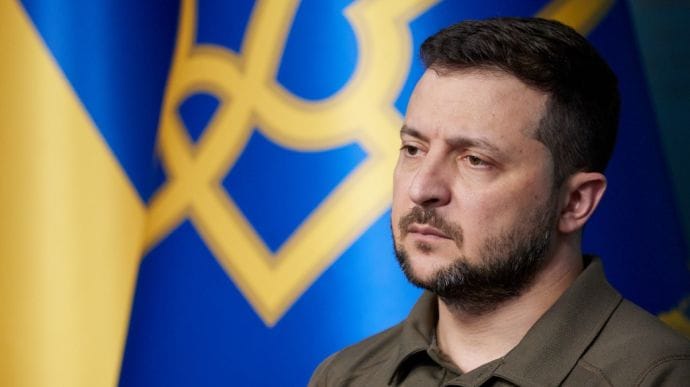 Ukraine’s Call for Direct Leadership Engagement
Zelenskyy emphasized the importance of direct talks between himself and Putin, a proposal previously supported by U.S. President Donald Trump. “So far, we do not see any real decision-makers among those who arrived,” Zelenskyy wrote on X (formerly Twitter). He added, “Let me remind everyone: it was Russia that proposed holding direct negotiations.”
Ukraine’s delegation was led by Defense Minister Rustem Umerov, signaling Kyiv’s commitment to high-level discussions. However, the absence of Putin at the table has raised doubts about Russia’s seriousness in pursuing peace.
Ceasefire Proposal Rejected
Ukraine entered the talks with a proposal for an immediate, unconditional 30-day ceasefire. However, the Kremlin dismissed this suggestion, instead advocating for discussions to outline the terms of a potential truce. Russian officials argued that a ceasefire could give Ukraine time to regroup its forces and acquire additional Western military support.
Russia’s rejection of the ceasefire proposal underscores the deep divide between the two nations. With Russian forces currently controlling significant portions of Ukrainian territory, Moscow continues to demand concessions that Kyiv deems unacceptable, such as relinquishing territorial claims and abandoning NATO membership ambitions.
International Reactions
The absence of Putin has drawn criticism from Western leaders and observers. U.S. Secretary of State Marco Rubio, speaking in Antalya, Turkey, stated, “We didn’t have high expectations for these talks. It’s my assessment that no breakthrough will occur until President Trump and President Putin interact directly on this topic.”
Rubio’s remarks reflect a broader skepticism about the potential outcomes of the Istanbul talks. Washington has repeatedly warned that it may withdraw its mediation efforts if no tangible progress is made.
Historical Context of the Talks
The Istanbul meeting represents the first direct negotiations between Ukraine and Russia since peace efforts collapsed in 2022. During those earlier talks, Russia demanded significant concessions from Ukraine, including military reductions and neutrality. These terms were deemed unacceptable by Kyiv, leading to the breakdown of negotiations.
Medinsky, who also led the 2022 talks, described the current discussions as a “restart” of those earlier efforts. However, the lack of high-level representation from Russia has cast a shadow over the proceedings.
Future Prospects
Despite the challenges, Zelenskyy remains open to direct talks with Putin, emphasizing the need for credible leadership at the negotiation table. “I remain convinced that Russia is not serious about these meetings and does not genuinely want to end the war,” Zelenskyy stated. However, he added that Ukraine would continue to engage in discussions to explore any potential avenues for peace.
As the war enters its fourth year, the stakes remain high for both nations and the international community. With hundreds of thousands of casualties and widespread devastation, the need for a resolution has never been more urgent. However, the path to peace remains fraught with obstacles, as demonstrated by the events in Istanbul.
Source: Reuters, Associated Press