


A rare glimpse into the Lower Paleolithic
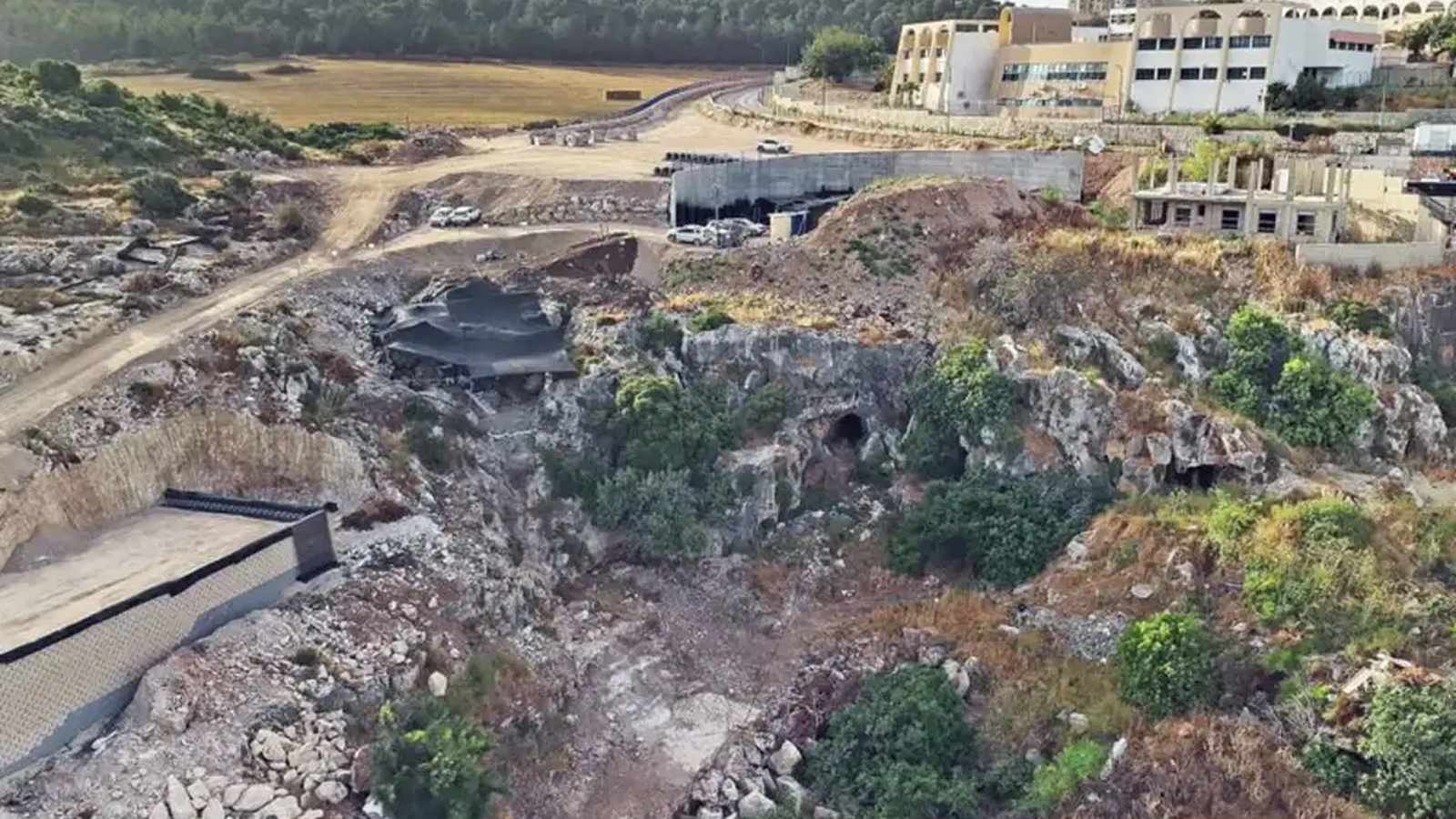
Archaeologists in Israel have uncovered a significant prehistoric site near the town of Fureidis, where evidence suggests pre-Neanderthal hominins established complex, sustained camps as early as 400,000 years ago. The discovery, facilitated by the Israel Antiquities Authority (IAA), provides a rare window into the Lower Paleolithic era—a period often obscured by a lack of accessible archaeological evidence.
While the site was originally studied in the 1970s and estimated to be 200,000 years old, recent excavations led by IAA archaeologist Kobi Vardi and University of Haifa professor Ron Shimelmitz have recalibrated the site’s timeline. The discovery of flint tools, including hand axes, scrapers, and blades associated with the Acheulo-Yabrudian culture, confirms that the cave was inhabited significantly earlier than previously thought.
Evidence of ‘complex and rich’ camp life
The research team, whose findings were highlighted by Israel’s Ministry of Foreign Affairs, recovered animal remains including fallow deer and gazelle. According to Shimelmitz, these findings point to a “complex and rich camp life,” where groups of hominins hunted and utilized fire systematically. Experts outside the project have noted that the evidence for controlled fire usage at this specific site marks a critical behavioral threshold in human evolution.
“What makes this find valuable is that it pulls the spotlight back to a much earlier and equally pivotal window,” said Armando Falcucci, a lecturer in palaeolithic archaeology at the University of Southampton. “It marks a major behavioral threshold in human evolution through the intensive, repeated use of caves.”
Preserving the site for future study
The discovery was made during preparations for local construction. Upon notifying the relevant authorities, the excavation team reached an agreement with the construction company to adjust development plans, resulting in a road bridge being built over the site to preserve it for long-term study. Researchers now hope that future excavations may yield actual hominin remains, which have yet to be found in any cave from this period in the region. The site remains a focal point for international archaeological interest, with further studies expected to span the coming years.