


Escalating Confrontations in the Gulf
The security architecture of the Middle East faces a critical juncture following a weekend of intensified military exchanges between the United States, Iran, and their respective regional partners. U.S. Central Command confirmed on Sunday that American forces conducted retaliatory strikes against Iranian military infrastructure, including surveillance systems and drone storage sites, following Tehran’s targeting of commercial vessels in the Strait of Hormuz.
The situation deteriorated further when Iran’s Revolutionary Guard claimed responsibility for drone and missile attacks against U.S.-linked sites in Bahrain and Kuwait. While a U.S. official reported that no missiles hit their targets and no injuries were sustained, the strikes represent a direct expansion of the conflict. Tehran has threatened a “complete halt” to all ongoing negotiations if Washington continues its military operations, signaling that the memorandum of understanding (MoU) governing the current ceasefire is effectively inoperative.
The Lebanon-Israel Standoff
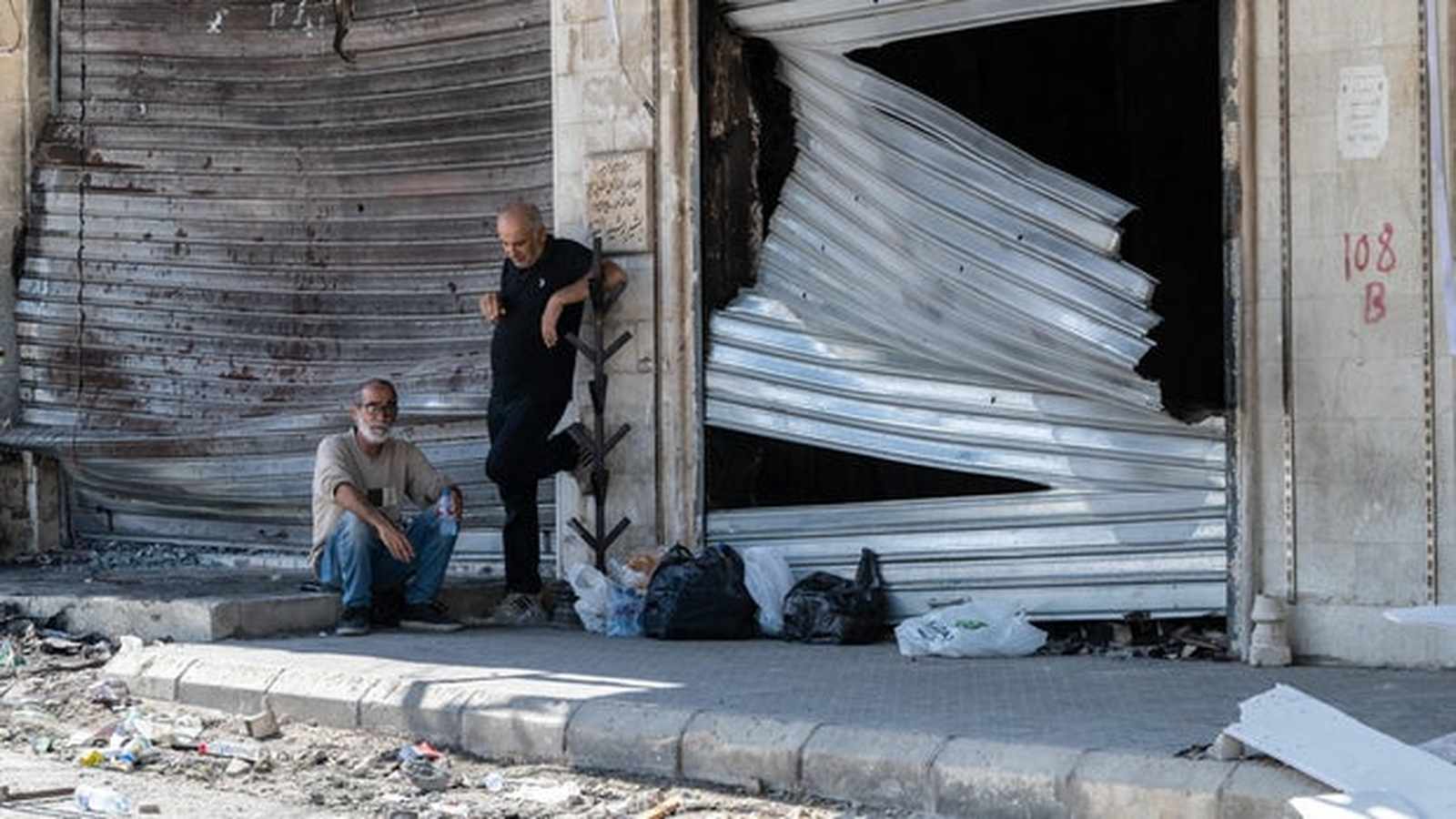
Simultaneously, the northern front remains volatile. Despite a new trilateral framework agreement announced by Secretary of State Marco Rubio on Friday, Israel has reaffirmed its intent to maintain a “security zone” within southern Lebanon. Prime Minister Benjamin Netanyahu characterized the continued presence as a “historic achievement” necessary to ensure the disarmament of Hezbollah.
Hezbollah has vociferously rejected the deal, labeling it a “disgrace” and a violation of the broader U.S.-Iran MoU, which calls for an end to hostilities on all fronts. As Israeli forces continue operations in the south, the disconnect between diplomatic frameworks in Washington and the reality on the ground in Lebanon highlights the deepening crisis of legitimacy facing these peace efforts.
Analysis: A Fragile Diplomatic Landscape
The current cycle of violence suggests that the various “ceasefire” agreements are failing to address the fundamental security dilemmas of the region. The U.S. strategy of “measured response” is currently being challenged by Iran’s willingness to escalate asymmetric attacks, while the Israeli-Lebanese framework appears to be an attempt to impose a security reality that Hezbollah refuses to accept.
Economically, the stakes are rising. With Iran’s year-on-year inflation reaching 88.6% and the Strait of Hormuz remaining a flashpoint for global energy transit, the pressure on the international community to stabilize the region is immense. However, the lack of a unified diplomatic vision—compounded by the U.S.-Iran distrust and Hezbollah’s exclusion from the trilateral talks—suggests that the conflict is likely to remain in a state of high-intensity friction for the foreseeable future. The assertion by President Trump that the U.S. may be forced to “complete the job” militarily underscores the high probability of further escalation should these diplomatic channels continue to fracture.