


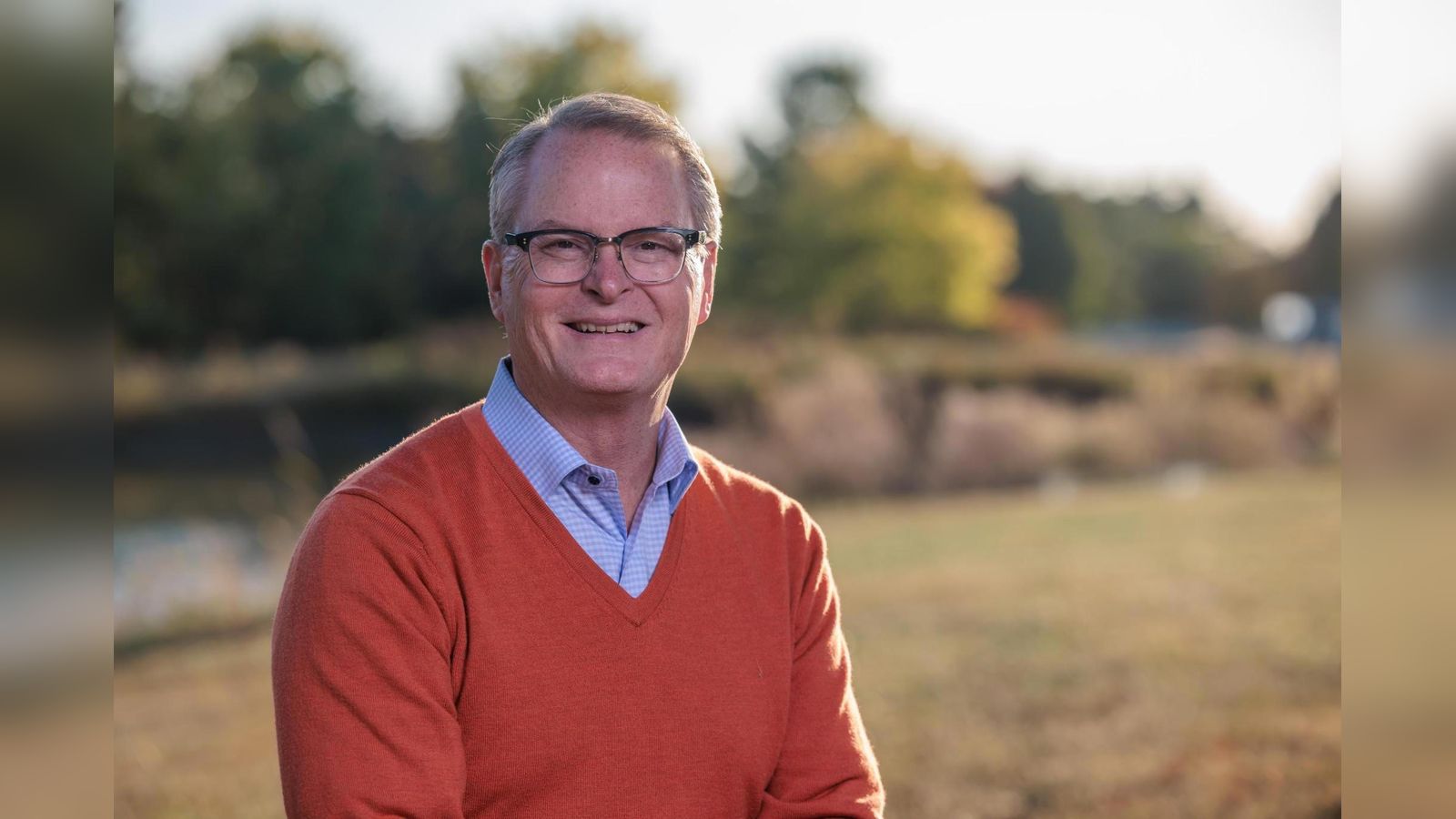
Methodist pastor Adam Hamilton defeated incumbent Republican Senator Roger Marshall in Kansas on November 3, 2026, ending a 94-year Republican losing streak in Senate elections and flipping a seat long considered a safe conservative stronghold. The Times of India reported that the historic upset makes Hamilton the first Democrat to win a U.S. Senate race in Kansas since George McGill in 1932. The high-stakes contest drew record-breaking financial investments and intense national attention, reflecting mounting voter friction over economic pressures and federal policies.
Campaign spending in the state shattered previous records, with total expenditures reaching nearly $110 million The Associated Press reported. According to ad-tracking firm AdImpact, Republican groups deployed $45 million into television and digital advertising, while Democratic forces poured $65 million into the state, including over $27 million spent during the final half of October alone. Despite heavy intervention from national Republican figures—including two separate campaign rallies held by President Donald Trump in October and multiple visits from Vice President JD Vance—the Marshall campaign failed to fend off the challenge.
A Centrist Appeal and Grassroots Momentum
Hamilton built his successful path to victory by actively courting moderate Republicans and independent voters across Kansas. As the founding pastor of the Church of the Resurrection in the Kansas City area—the largest United Methodist congregation in the United States with roughly 25,000 members—Hamilton leveraged an established public profile and a robust statewide fundraising network. He positioned himself as a centrist, independent-minded candidate capable of countering intense Washington partisanship.
Republicans attempted to frame Hamilton as dangerously liberal, with Vice President Vance branding him during a rally in Topeka as “Chuck Schumer’s stooge.” Hamilton countered by publicly distancing himself from Senate Democratic leadership, stating he would not support retaining the New York senator as leader. He also calibrated his positions on contentious national security matters, drawing a line during a Topeka event when discussing U.S. Immigration and Customs Enforcement (ICE). While offering criticisms of the agency, Hamilton explicitly stated he did not support its abolition, emphasizing its counterterrorism origins following the September 11 attacks.
Marshall’s Vulnerabilities and Local Controversy
Senator Roger Marshall faced a difficult political environment compounded by local controversies and economic headwinds. A retired obstetrician elected to the House in 2017 and the Senate in 2020, Marshall remained a staunch defender of President Trump’s economic policies, tariffs, and administration actions. However, his campaign struggled against voter frustration regarding the rising cost of living and inflation.
Marshall also weathered sharp criticism over personal and professional actions. Reports from The New York Times revealed that Marshall and his former medical practice had filed lawsuits against more than 700 patients over unpaid bills, resulting in the arrest of 81 individuals after missed court dates. Furthermore, opponents attacked Marshall for owning a secondary residence in Florida, which critics characterized as abandoning his home state before he sold the property weeks prior to the election.
Scrutiny also touched Hamilton’s background, including historical issues involving his megachurch. Church records showed two past allegations of sexual abuse by teenagers at annual camps in 2005 and 2006. The institution investigated the first case without notifying law enforcement due to an inability to identify the perpetrator, though a subsequent incident was reported to authorities. The church later overhauled its youth safety protocols and cooperated fully with prosecutors, who ultimately declined to pursue criminal charges on the earlier case.
Political Stakes and Broader Implications
The Kansas Senate flip delivers a vital psychological and numerical boost to Democratic ambitions in federal elections, piercing a regional fortress that last elected a Democratic senator during the Great Depression. While Kansas features a history of electing moderate Democratic governors, statewide federal contests have remained stubbornly out of reach for nearly a century. The closest historic challenge occurred in 1974, when Republican icon Bob Dole secured reelection by a narrow margin in the wake of the Watergate scandal.
As election officials certify the final results, the outcome serves as a severe warning sign for Republican strategists defending safe seats in an evolving electoral map. Hamilton’s victory demonstrates that suburban shifts around Kansas City, combined with robust local fundraising and an intentional appeal to independent voters, can successfully dismantle decades of entrenched partisan advantage.