
Quick Read
- Foods labeled as ‘natural’ or ‘organic’ often contain hidden added sugars.
- Average Americans consume 17 teaspoons of added sugar daily, mostly from beverages and processed foods.
- Banana water contains only natural sugars from bananas, with no added sweeteners, but most foods rely on marketing to mask their sugar content.
Imagine strolling down the supermarket aisle, feeling good about your choices. You reach for the granola labeled “all natural,” or maybe that trendy plant-based milk, convinced you’re making a healthy swap. But beneath those reassuring buzzwords, a hidden ingredient lurks: added sugar.
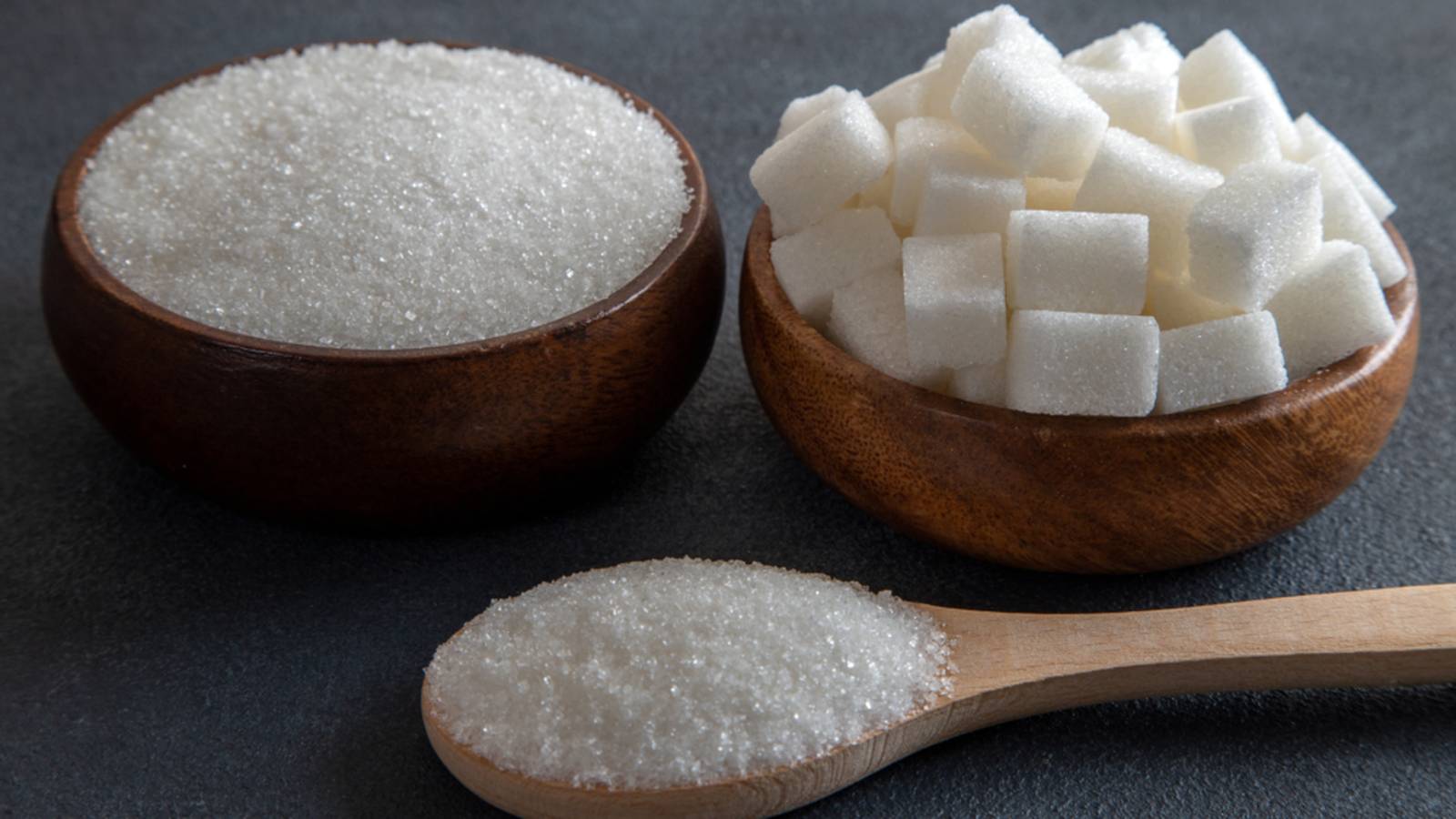
The American Heart Association estimates that the average American now consumes a staggering 17 teaspoons of added sugar each day—over 57 pounds per year (AP News). While much of this comes from sodas and sweetened beverages, the rest sneaks in through foods you might never suspect: cereal, sauces, dairy products, even breads labeled “whole grain.”
Why does this matter? Decades of research link excess sugar intake to serious health risks, including heart disease, obesity, and diabetes. And while we may feel proud swapping donuts for “high protein” granola or “organic” smoothies, nutrition experts warn that the sweetener shuffle is more complicated than it appears.
Marketing vs. Reality: The Buzzword Trap
Food companies have mastered the art of marketing. Labels like “organic,” “natural,” and “made with real fruit” can easily distract us from the nutrition facts panel. Since 2021, manufacturers are required to list added sugars separately—but this hasn’t solved the problem. Instead, companies have swapped traditional sweeteners for alternatives like monk fruit and erythritol, which may not count as “added sugars” under FDA rules (AP News). The result? “Now our foods are even more sweet than they were back in 2020,” says Dr. Nicole Avena, a neuroscience and psychiatry professor at Mount Sinai and Princeton.
Even foods that seem wholesome—plain Greek yogurt, roasted nuts, or plant-based milks—can contain surprising amounts of added sugar. For example, a cup of Silk brand almond milk contains 7 grams. English muffins, wasabi peas, and bottled sauces aren’t immune either.
Dietitian Collin Popp of NYU Langone Health recommends regaining control by opting for plain versions and sweetening them yourself, if needed. “Don’t let the food companies decide how much sugar you’re eating,” urges Dr. Avena. She notes that it’s not just the sugar itself, but the sweet taste that activates the brain’s reward centers, driving cravings and overconsumption.
Banana Water: A Case Study in Label Clarity
Banana water, the latest entrant in the plant-based hydration game, offers an interesting contrast. Marketed as a “peel good beverage,” banana water is essentially liquefied bananas—no added sugar, no artificial flavors, no preservatives (Detroit News). Leading brands like Woodstock and Banagua tout their electrolyte content (potassium, magnesium, vitamin A and C) and low calorie counts. The ingredient list is simple: bananas.
But nutritionists caution against viewing such drinks as a miracle solution. Dr. Thomas Sherman of Georgetown University notes that while banana water is low in sugar and high in plant-based nutrients, the actual benefit is modest compared to eating whole fruits and vegetables. Registered dietitian Vanessa King points out another limitation: though high in potassium, banana water lacks sodium—the main electrolyte lost during intense exercise. So, while it may appeal to those avoiding animal products or excess sugar, it’s not a true substitute for sports drinks.
Even with no added sugar, banana water still contains natural sugars (about 13 grams per 330ml can), similar to coconut water. The real difference lies in transparency: the absence of sneaky sweeteners or ambiguous ingredients.
How to Outsmart Hidden Sugar
- Read Nutrition Labels: Look for the separate “added sugars” line. Compare products and don’t rely solely on front-of-package claims.
- Choose Plain When Possible: Buy unsweetened versions of yogurt, plant-based milks, and cereals. Add fruit or a touch of honey yourself if needed.
- Beware of Sugar Substitutes: Ingredients like monk fruit, stevia, or sugar alcohols may not count as “added sugar,” but they still add sweetness and can affect taste preferences.
- Focus on Whole Foods: Fruits, vegetables, and minimally processed grains offer nutrients and fiber without the hidden sugars.
- Be Skeptical of Buzzwords: “Organic,” “natural,” or “high protein” doesn’t guarantee low sugar. Always check the facts.
For some, sugar alternatives like allulose can be helpful, especially for people with Type 1 diabetes, as they don’t affect blood sugar. But for the general population, experts say it’s best to minimize overall sweetness in the diet—not just the grams of sugar itself.
The Bottom Line: Informed Choices in 2025
In a world where food marketing is more creative than ever, the responsibility for smart choices falls on each consumer. The tools are there: nutrition labels, ingredient lists, and a growing awareness of food industry tactics. As tempting as it is to trust the “healthy” buzzwords, it pays to dig deeper.
Banana water may represent a refreshing exception—an honest label, straightforward ingredients, and minimal processing. But for most supermarket finds, skepticism and curiosity are your best allies.
Ultimately, the real power lies in the consumer’s hands. By reading labels, questioning claims, and choosing whole foods, you can cut through the confusion and take control of your health—one bite (or sip) at a time. Sources: AP News, Detroit News.