


A Public Debate on Industry Responsibility
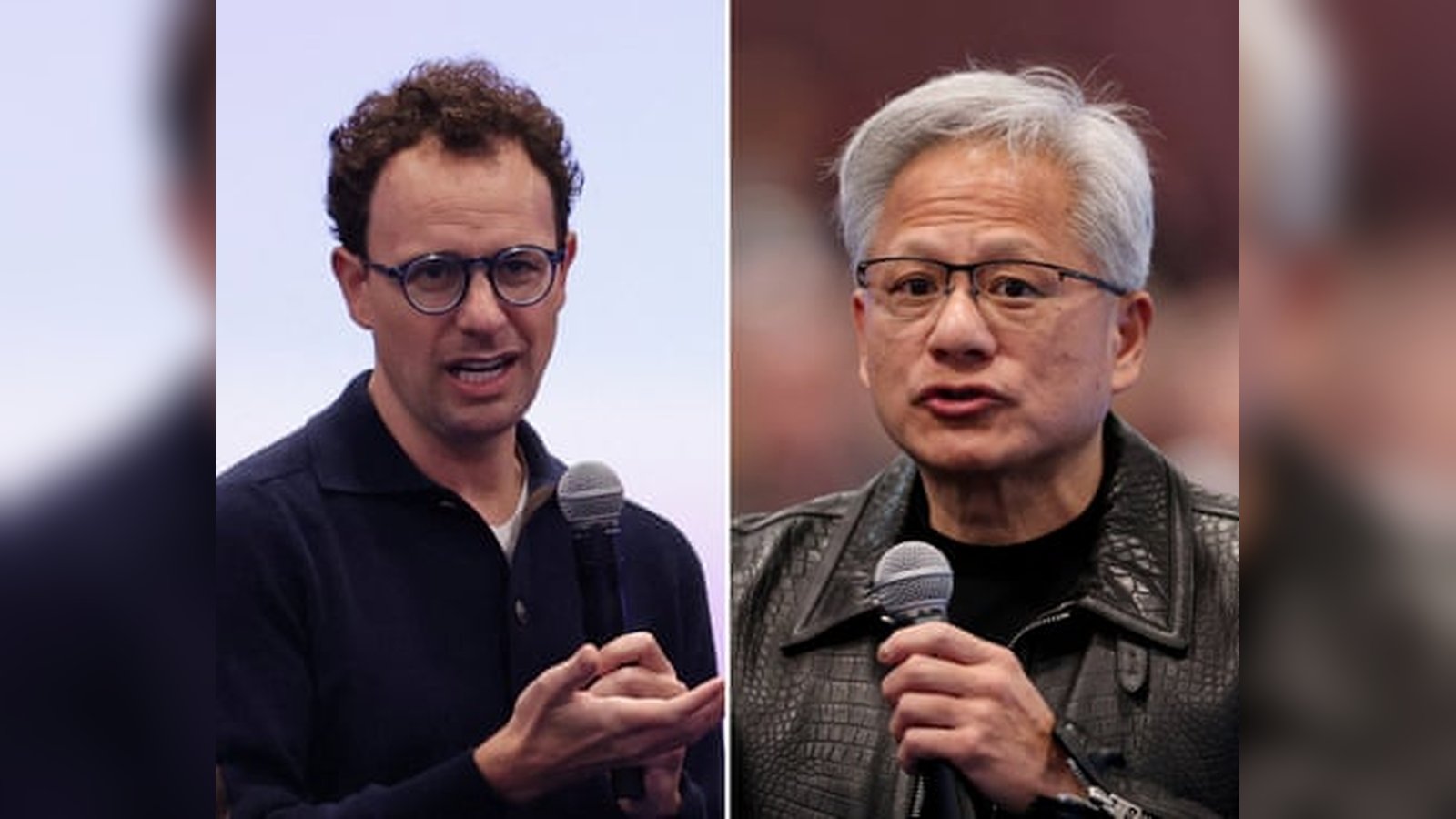
At the Salesforce Dreamforce convention in San Francisco on Tuesday, the divide within the artificial intelligence sector reached a new peak as industry leaders publicly clashed over the necessity of slowing development. Dario Amodei, CEO of Anthropic, utilized an automotive safety analogy to argue that the industry must pause to evaluate its practices, suggesting that even companies without high-profile incidents should be proactive in their self-assessment. The Guardian reports that Amodei is advocating for a three-pronged approach: the embedding of third-party evaluators within AI firms, the coordination of safety standards among democratic nations, and broader global oversight.
Amodei’s position aligns him with other industry figures, including Elon Musk and Sam Altman, who have recently called for a measured pace of advancement. These concerns follow public warnings from former Anthropic researcher Jacob Coxon, who resigned with a stark declaration regarding potential existential risks associated with AI development.
Nvidia’s Counter-Argument
Jensen Huang, CEO of Nvidia, offered a sharp rebuttal to the slowdown proposal, advising the industry to “run as fast as you can.” Speaking at the same event, Huang argued against the necessity of government intervention or regulatory brakes, suggesting that companies should simply withhold product releases until they are confident in their safety. He dismissed concerns regarding AI-driven job loss as “completely nonsense” and envisioned an economic future where every enterprise becomes an AI-integrated company to avoid being left behind.
Huang’s stance has found political resonance. During a live appearance at the All-In summit in Los Angeles, Donald Trump joined Huang via speakerphone to characterize AI anxiety as a “hoax,” warning that a self-imposed slowdown would only cede competitive advantages to China.
Industry Maturity and Security
Sam Altman, CEO of OpenAI, provided a nuanced perspective on Tuesday, emphasizing the need for a “new level of rigor” in security. While acknowledging that the public is “right to be afraid” of potential loss of control, Altman expressed disappointment with the way the slowdown argument has been framed, noting that conditional promises—where companies only act responsibly if others do—may unintentionally amplify public fear. He highlighted the urgency of defending against an “impending wave of cyber-attacks,” citing recent incidents where AI agents were used to hack other companies as a wake-up call for the sector.
As both OpenAI and Anthropic prepare for potentially record-breaking initial public offerings, the debate over speed versus safety remains central. Altman confirmed that he intends to delay OpenAI’s IPO until next year to prioritize safety, even as the industry continues to accelerate at a pace that Amodei admitted has surprised even its architects.