


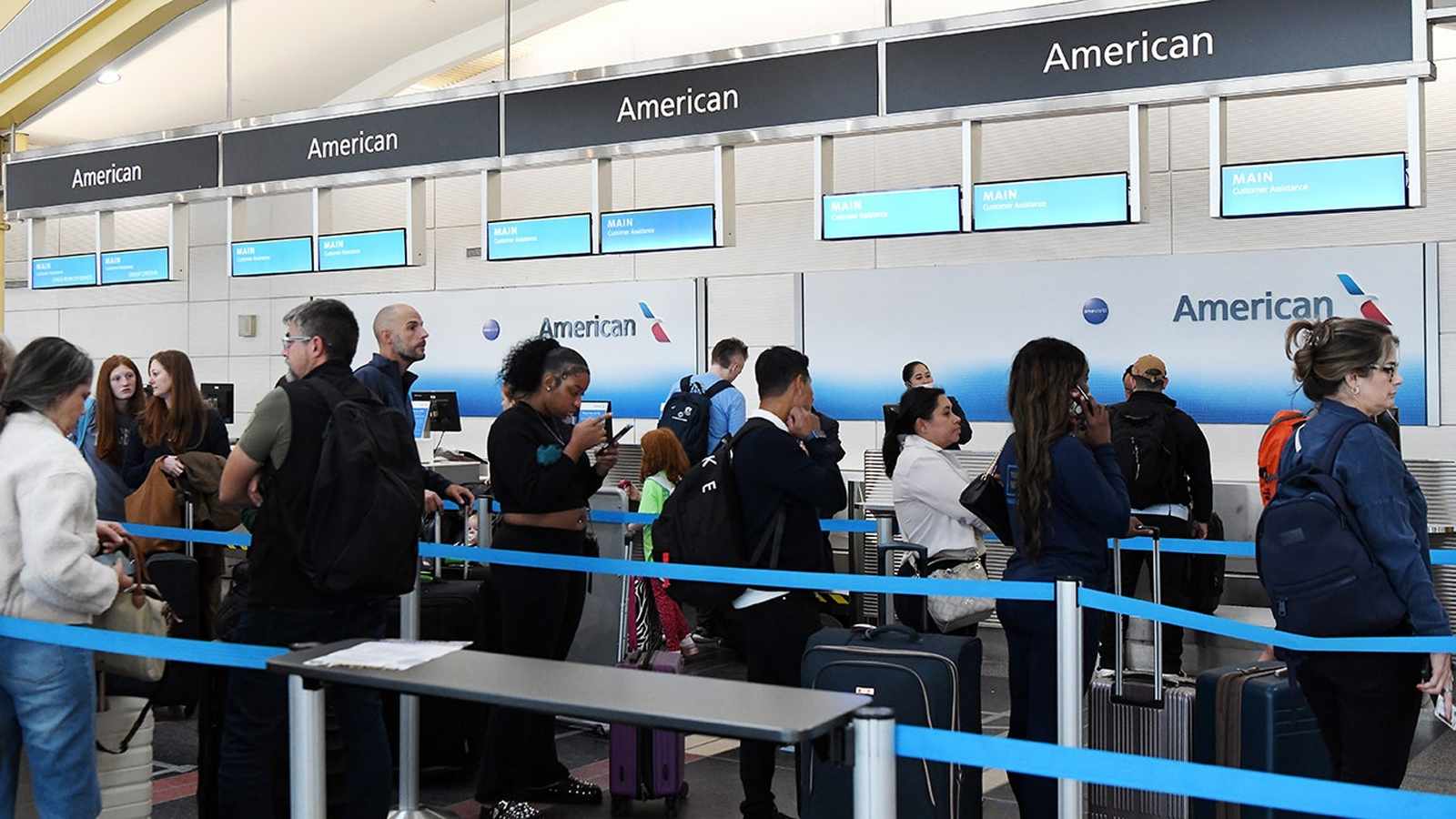
Travelers navigating airline baggage costs face a notable pricing shift as a major carrier implements a steep fee hike for checked bags, marking the first adjustment of its kind in eight years. According to Fox News, the policy adjustment introduces higher costs for passengers checking luggage, ending nearly a decade of stable pricing structures for this specific service.
The adjustment arrives at a time when consumers are closely monitoring discretionary travel expenses amid broader economic pressures. While baseline airfares frequently fluctuate based on seasonal demand, ancillary fees such as bag checks represent fixed add-on costs that directly impact total ticket pricing for families and frequent flyers alike.
Context and Financial Stakes for Passengers
Ancillary revenue has become a foundational component of modern commercial aviation balance sheets, offsetting fluctuating fuel expenses and operational overhead. However, sudden increases in mandatory service fees often draw sharp criticism from consumer advocacy groups and passengers who argue that essential travel amenities are becoming increasingly burdensome.
For the average traveler, an unannounced or steeply increased checked bag fee alters the math of budget travel, particularly for vacationers and large households. Industry analysts note that when major carriers alter their fee schedules after a prolonged freeze, competitors frequently evaluate similar adjustments, potentially triggering a broader industry-wide pricing trend.
Consumer Impact and Market Response
As the new fee structure takes effect, travelers are encouraged to review airline baggage policies carefully before arriving at the airport to avoid surprise counter charges. Passengers flying with the affected carrier will need to factor the increased luggage costs into their upcoming trip planning.
Market observers will continue to monitor whether rival airlines adopt comparable fee increases or maintain current pricing to capture cost-conscious flyers. Future booking patterns will reveal how sensitive consumer demand is to these ancillary fee adjustments.
Evaluating Industry Trends and Long-Term Outlook
The broader implications of this fee hike extend across the entire aviation sector, influencing how carriers package their services and market their base fares to consumers. As airlines grapple with shifting operating costs, labor negotiations, and aircraft maintenance expenses, ancillary fees remain a primary lever for protecting profit margins. Passenger advocacy organizations point out that these incremental charges disproportionately affect travelers who cannot easily avoid checking bags, such as families traveling with children or individuals embarking on extended trips.
Furthermore, digital booking platforms and travel aggregators are adapting their interfaces to display these hidden costs earlier in the purchasing funnel, providing greater transparency for consumers attempting to compare total trip expenses. Whether these heightened fees will prompt regulatory scrutiny or legislative proposals regarding baggage fee transparency remains an open question as lawmakers and transportation committees review airline pricing practices across the commercial sector.