
Quick Read
- Major international airlines, including United Airlines, Air Canada, and Swiss, suspended flights to the Middle East starting January 23, 2026.
- The suspensions are a direct response to escalating US-Iran tensions and warnings of potential Israeli military action against Iran.
- US President Donald Trump cited a “large fleet” of US warships moving to the Middle East, while President Joe Biden warned of a “full-scale war.”
- Dubai’s hospitality sector, along with tourism in Israel and Egypt, is experiencing a severe downturn due to flight disruptions.
- Airlines are offering flexible rebooking options, and travelers are advised to stay informed and consider alternative destinations.
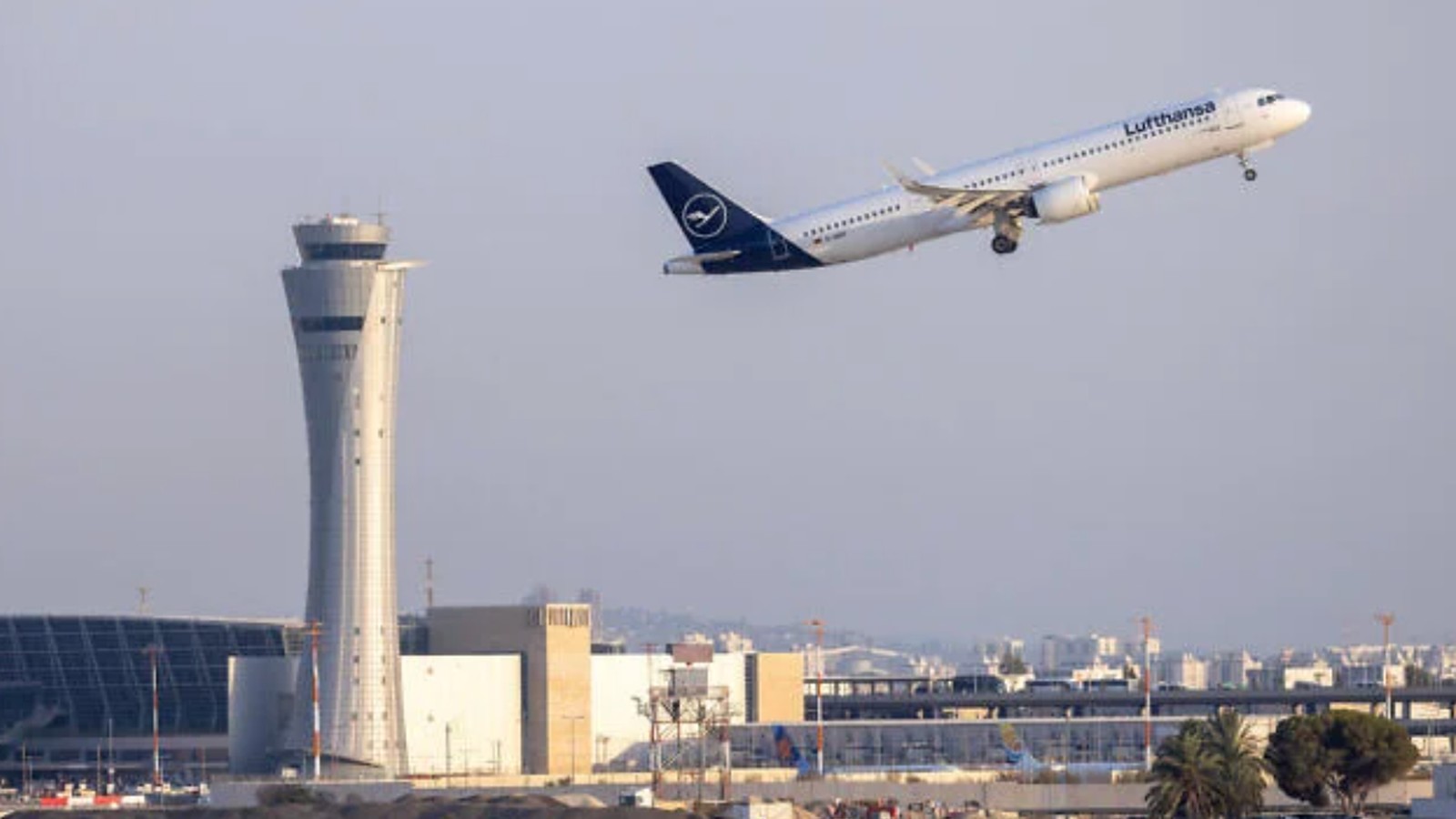
YEREVAN (Azat TV) – Major international airlines, including United Airlines, Air Canada, Swiss, Air France, KLM, Lufthansa, Emirates, and British Airways, have initiated widespread flight suspensions and reroutes to the Middle East, particularly affecting Israel and Gulf destinations, since January 23, 2026. This significant disruption stems from escalating US-Iran tensions, intensified US military movements, and explicit warnings from Türkiye regarding potential Israeli military actions against Iran, creating a climate of uncertainty that is severely impacting global travel and the region’s vital hospitality sector.
Airlines Ground Flights Amid Heightened Alert
The coordinated decisions by multiple major carriers to halt or reroute services began late Thursday, January 23, and extended through the weekend, leaving thousands of travelers across Europe and North America scrambling for alternative plans. According to Travel and Tour World, airlines are taking precautionary measures to ensure passenger safety amid a rapidly evolving security landscape.
Air France–KLM group, for instance, announced the immediate suspension of all flights to Tel Aviv and several other regional destinations, prioritizing passenger and crew safety. The group had previously restricted Tel Aviv operations to daytime hours only and halted overnight stays for flight crews at Ben Gurion Airport. Similarly, United Airlines and Air Canada announced temporary suspensions of flights pending updated security assessments from aviation authorities, as reported by Roya News.
KLM specifically canceled its next two overnight flights to Israel and extended the suspension through Sunday, simultaneously cutting routes to Dubai and Saudi Arabian destinations. Air France canceled incoming flights to Dubai along with its Tel Aviv services, citing heightened regional tensions. British Airways also canceled its evening flight to Dubai. The Lufthansa Group, which includes Swiss International Air Lines and Austrian Airlines, had already reduced its Israel operations to daytime-only flights in recent weeks before joining the broader suspension.
Escalating Regional Tensions Fuel Disruptions
The abrupt airline response follows a series of alarming geopolitical developments. US President Donald Trump, returning from the Davos forum, told reporters that a “large fleet” of US warships was moving toward the Middle East, according to i24NEWS. Intelligence reports further indicated that the aircraft carrier USS Abraham Lincoln, accompanied by guided-missile destroyers, is en route to the region, developments widely interpreted as signals of a possible imminent military strike.
US President Joe Biden also issued a warning on Wednesday, January 22, about the risk of a ‘full-scale war’ in the Middle East. These statements have fueled growing fears of a broader regional military confrontation, as noted by Roya News.
Adding to the volatility, Türkiye’s foreign minister warned that Israel continues seeking opportunities to strike Iran, as reported by Türkiye Today. Meanwhile, Israel announced heightened alert levels for its air force and air defense systems in anticipation of potential developments. Iran, in response, issued official statements from senior military commanders, declaring full readiness and warning that any US military action would render American bases and interests in the region legitimate targets.
Economic Fallout for Tourism and Hospitality
The widespread flight suspensions are sending shockwaves through the global travel and tourism industry, with Dubai feeling the strain most acutely. As a global travel hub, Dubai relies heavily on international air traffic to fuel its booming hospitality industry. With major airlines suspending flights, hotel bookings in the city have dropped sharply, particularly in luxury properties that cater to high-end international travelers, according to Travel and Tour World. Iconic resorts like the Burj Al Arab and Atlantis The Palm are reportedly experiencing a dip in bookings.
Beyond Dubai, the ripple effect is being felt across the globe. Countries like Israel, Saudi Arabia, and Egypt, which rely heavily on tourism, are also experiencing a downturn. Israel’s hospitality sector, which sees millions of visitors annually, has seen a sharp drop in arrivals, with tourist sites in Tel Aviv and Jerusalem reporting lower numbers. Similarly, Egypt’s historical landmarks and Red Sea resorts are feeling the pinch as flights to Cairo and Sharm El Sheikh are rerouted or canceled.
Airlines, especially those based in the Gulf region, have reported decreased revenues as a result of these travel restrictions and passenger hesitations. The decline is affecting not just tourism but also business travel, which typically peaks during the winter months.
Traveler Advisories and Alternative Destinations
For those planning trips to the Middle East or transiting through the region, it is crucial to stay informed about the latest travel advisories and flight cancellations. Governments and airlines are continually monitoring the situation, and flight details can change rapidly. Passengers are advised to monitor their flight status closely, as more cancellations and adjustments are expected as tensions continue to mount.
Many airlines are offering flexibility in terms of rescheduling or refunding tickets due to the situation, including Air Canada, KLM, and Air France. Travelers should also be aware that while some airports in the region remain open, many airlines are avoiding certain airspaces, particularly Iranian and Iraqi airspace, which may lead to longer travel times or detours.
For travelers reconsidering their plans, alternative destinations such as Southeast Asia (Thailand, Malaysia, Singapore) and Europe (Paris, Barcelona, Rome) are seeing increased interest. Additionally, Oman and Jordan are highlighted as relatively unaffected options within the broader Middle East, offering cultural experiences and natural landscapes.
The coordinated and swift action by a broad spectrum of international airlines underscores the perceived severity of the escalating geopolitical tensions in the Middle East, signaling a significant shift in aviation risk assessment that is likely to have prolonged economic implications for a region heavily reliant on international travel and tourism.