

Quick Read
- Alaska Airlines will introduce premium economy on 787s by 2028.
- A 40,000-square-foot premium lounge is planned for Seattle-Tacoma International Airport.
- Starlink Wi-Fi is scheduled for the 787 fleet by this fall.
Strategic Fleet Upgrades and the 2028 Roadmap
Alaska Airlines, building on its recent expansion into international markets, has confirmed a pivotal shift in its long-haul product strategy. By 2028, the carrier will begin retrofitting its Boeing 787 Dreamliner fleet with a dedicated premium economy cabin, addressing a notable gap in its current international service offering. This move is designed to capture the growing demand for mid-tier luxury travel, a segment that has become a critical revenue driver for global carriers.
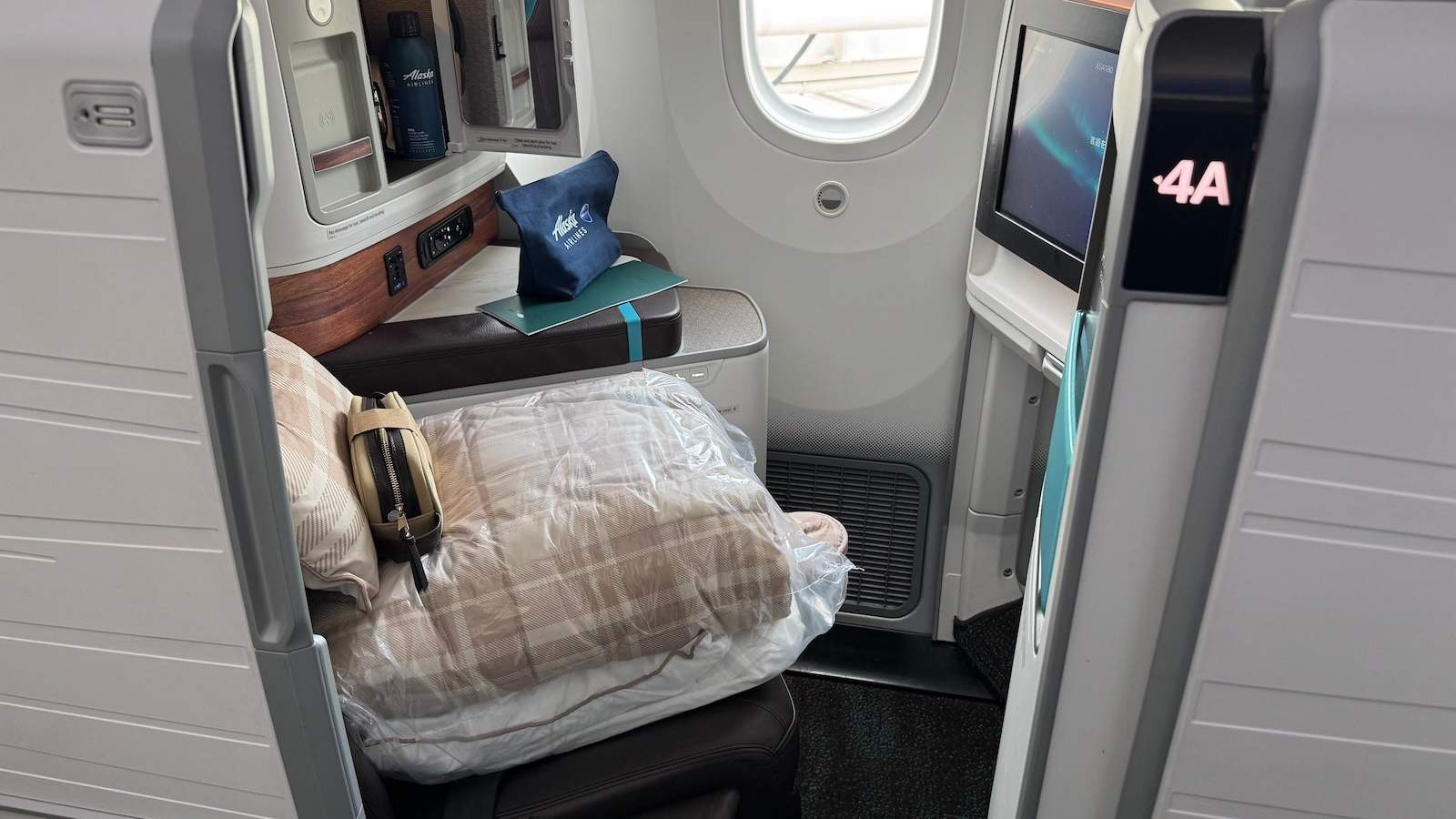
Currently, while Alaska’s 787s—inherited through the merger with Hawaiian Airlines—feature high-end business class suites, they lack a true international-style premium economy product. The current seating labeled as “Premium” functions merely as extra-legroom coach seating, which does not meet the standards expected by long-haul travelers. CEO Ben Minicucci highlighted that this addition is essential for the airline’s competitiveness, noting, “It’s one of the most popular and profitable products on long-haul routes.”
Ground Infrastructure and Loyalty Integration
Beyond the cabin experience, Alaska is investing heavily in its ground infrastructure at its Seattle-Tacoma International (SEA) hub. Plans are underway for a 40,000-square-foot premium lounge, intended to rival the flagship offerings of major legacy carriers. This facility, slated for completion within two years, will cater to business-class passengers and top-tier Atmos Rewards members, reinforcing the airline’s commitment to an end-to-end premium experience.
The loyalty integration between Alaska and Hawaiian remains a cornerstone of this strategy. With over 100,000 members now utilizing the Atmos Rewards Summit Visa Infinite card, the airline is seeing a direct correlation between its loyalty ecosystem and its network growth, particularly in key markets like San Diego and its expanding California routes.
Operational Challenges and Connectivity
The transition is not without near-term operational hurdles. The 787 fleet currently lacks Starlink satellite Wi-Fi, a feature the airline intends to implement by the fall. During the peak summer season, the airline prioritized schedule reliability over pulling aircraft for retrofitting. Furthermore, the “choice accrual” feature for the Atmos loyalty program, which will allow members to customize their earning structure, is expected to align with the start of the 2027 status year.
Assessment
Alaska Airlines is navigating a complex transition from a regional powerhouse to a global competitor. The decision to invest in premium economy and high-end lounge infrastructure by 2028 is a necessary evolution to secure its position in the premium travel segment. While the integration of the Hawaiian Airlines fleet presents short-term challenges—namely in product consistency and connectivity—the long-term focus on revenue-generating cabin classes and consolidated loyalty programs suggests a disciplined approach to sustainable growth.