


New Authentication Options for Foldable Users
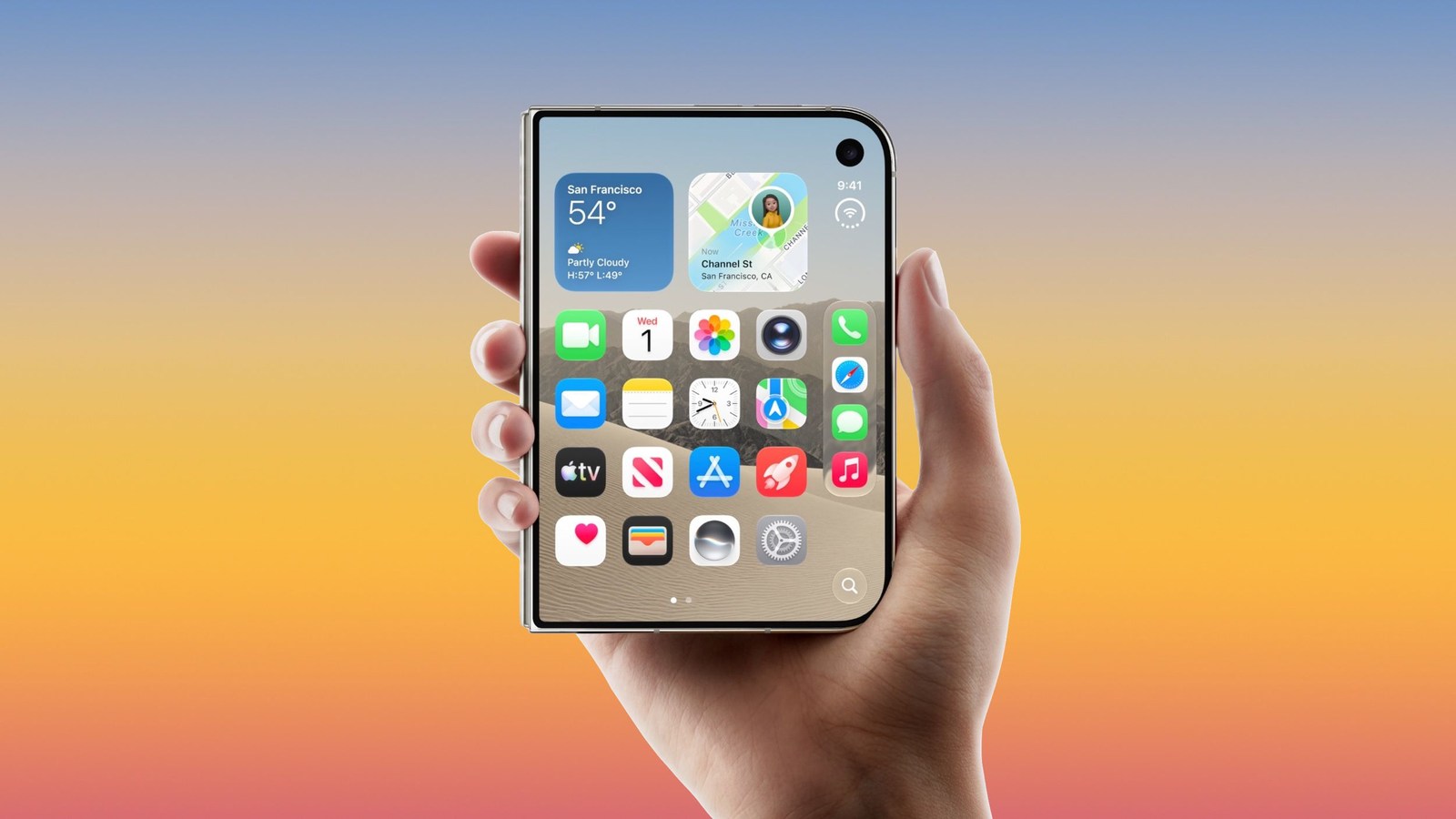
On November 16, 2026, Apple introduced a new camera-based facial recognition feature for the iPhone Duo as part of its second iOS 27.3 beta release. This update provides users with an alternative method to unlock their device while it is folded closed, utilizing the front-facing camera instead of the device’s side-mounted Touch ID sensor. The implementation marks a notable shift in how Apple manages authentication for its first foldable smartphone, which previously relied exclusively on fingerprint recognition, passcodes, or connected Apple Watch devices. By introducing this software-driven capability, Apple is directly addressing user feedback regarding the convenience of accessing the device’s external display without needing to physically interact with the side-mounted biometric scanner.
According to The Apple Post, the feature can be toggled through the Settings app under the Touch ID & Passcode menu. Unlike the dedicated Face ID hardware found on other iPhone models—which utilizes specialized TrueDepth camera systems and infrared sensors to map a user’s face in three dimensions—this solution leverages the existing front-facing camera. Because this method lacks the specialized depth-sensing hardware required for secure biometric verification, Apple has implemented significant functional restrictions to protect user data and financial information. This approach highlights a strategic compromise, prioritizing ease of access for routine, low-stakes interactions while maintaining high-security walls for sensitive operations.
Security Constraints and Operational Limits
While the new facial unlock feature improves daily usability, it does not replace the security provided by Touch ID or a passcode. As MacRumors reported, the feature is strictly limited to the Lock Screen. It cannot be used to authorize Apple Pay transactions, access saved passwords, or unlock applications that require secure authentication. For these high-security tasks, users must continue to provide a fingerprint or passcode. This distinction is critical for users who rely on the ecosystem for financial and personal data management, ensuring that the convenience of facial recognition does not create a vulnerability in the device’s overall security posture.
To further mitigate potential security risks associated with camera-based recognition, Apple has introduced a 45-minute inactivity threshold. If the iPhone Duo remains locked for more than 45 minutes, the facial recognition option is automatically disabled, requiring the user to authenticate via Touch ID or their passcode before facial unlocking can be used again. Additionally, this feature is only active when the device is folded shut; once the internal display is opened, the device defaults to more traditional authentication methods. This tiered security model ensures that the device remains protected against unauthorized access while providing a bridge for quick, glanceable tasks on the exterior screen.
Managing Foldable Display Behavior
In addition to the facial unlock capabilities, the iOS 27.3 beta includes a new display setting designed to improve user control over the device’s state. Users can now configure the iPhone Duo to lock automatically when the device is folded shut. Previously, the system would often transfer the active user session from the internal display to the external screen, which some users found inconvenient. This new toggle, found under the Display and Brightness section of the Settings app, allows for a more definitive end to a usage session, aligning the iPhone Duo’s behavior with that of other foldable smartphones on the market. This change reflects a broader effort by Apple to refine the user experience of its foldable form factor, allowing for more predictable transitions between modes of use.
Contextualizing the Foldable Experience
The introduction of these features comes at a time when the iPhone Duo lineup is still establishing its place in the broader Apple ecosystem. Early adopters have dealt with various hardware and software challenges, including reports of hinge-related display issues and navigating the unique user interface requirements of a foldable device. By providing software-based solutions like this camera-based unlock, Apple demonstrates an iterative commitment to the product line that extends beyond the initial release hardware. This update is not merely about adding a feature; it is about addressing the practical realities of using a device that bridges the gap between a compact phone and a larger, tablet-like experience.
Furthermore, this development provides a look into how Apple might differentiate its standard models from its premium foldable offerings. While rumors continue to circulate regarding the potential development of under-display Face ID hardware for future iterations, the current implementation in iOS 27.3 serves as a bridge, offering immediate value to current owners. The reliance on existing camera hardware suggests that Apple is prioritizing software agility to solve usability gaps as it gathers more data from the field. This strategy allows the company to test new interaction paradigms without the immediate need for hardware revisions, which is crucial given the complexity and cost associated with foldable display and chassis manufacturing.
Looking Ahead
The iOS 27.3 update is currently in the beta testing phase, with a public release anticipated in December 2026. These updates represent Apple’s iterative approach to refining the software experience for its foldable hardware. While rumors persist regarding potential under-display Face ID hardware for future iterations of the foldable line, this camera-based software solution serves as an immediate fix for users seeking more flexible access to their devices while on the go. The company continues to monitor feedback from the beta testing community as it prepares for the final rollout of the software, and users can expect further refinements to both the unlock experience and the overall display transition logic as the beta cycle progresses toward a final, stable build.