
Quick Read
- Archaeologists identified 168 sites in the Javakhk highlands, proving long-term, non-marginal settlement.
- Advanced remote sensing and excavation confirm the region was a hub for cross-Caucasus cultural exchange.
- The findings challenge traditional views of highland isolation, highlighting sophisticated adaptation strategies.
Redefining the Highland Narrative
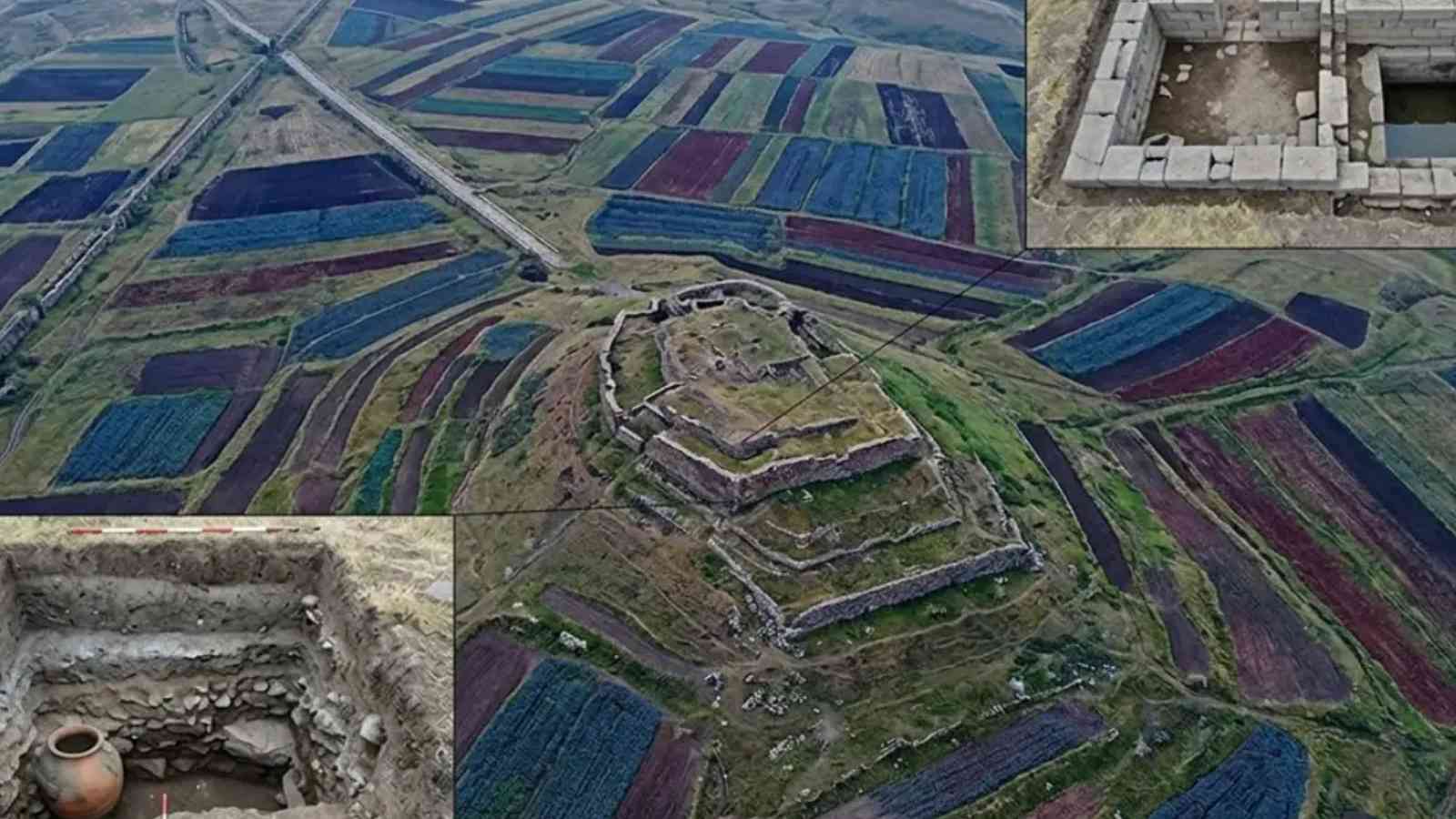
Archaeologists working within the Samtskhe-Javakheti Project have uncovered evidence of a sophisticated, long-standing mountain culture that thrived from the Bronze Age through the Middle Ages. Contrary to historical assumptions that labeled these high-altitude regions as marginal or sparsely inhabited, findings across 168 identified sites suggest a robust, enduring civilization. By integrating aerial photography and satellite remote sensing with granular on-site excavation, researchers have mapped a landscape defined by permanent settlements, fortified structures, and complex burial complexes.
Connectivity Over Isolation
The material culture recovered, including bronze discs bearing solar motifs and intricate ceramic tiles, indicates that these communities were far from isolated. Rather than existing on the periphery, the inhabitants of the Javakhk plateau were active participants in the broader cultural and economic exchange networks that spanned the Caucasus. This discovery underscores the importance of institutional commitment to archaeological preservation, as these sites provide critical data on how ancient societies adapted to harsh climatic conditions through sustainable land management and collective infrastructure.
Preservation as a Democratic Duty
While separate archaeological efforts, such as the recent recovery of the Danish warship Dannebrog in Copenhagen, highlight the urgency of salvaging history before urban development destroys it, the Javakhk findings serve as a reminder of the need to protect cultural heritage from neglect. The ability to reconstruct ancient social structures and belief systems is a matter of historical accountability. As researchers continue to analyze the data, the focus must remain on ensuring these sites are protected from encroachment, allowing for a deeper understanding of the region’s role in the wider historical tapestry of the Caucasus.