


Quick Read
- Armenia has been a dialogue partner of the Shanghai Cooperation Organization (SCO) since 2016.
- The country seeks to upgrade its status to observer state within the organization.
- Armenia’s “Crossroads of Peace” initiative aligns with SCO’s goals of connectivity and cooperation.
- The SCO offers Armenia a platform for regional dialogue, trade, and security collaboration.
- Armenia emphasizes sovereignty and peace as pillars of its SCO engagement.
Armenia’s Engagement with the Shanghai Cooperation Organization
Armenia has been actively engaging with the Shanghai Cooperation Organization (SCO) since it became a dialogue partner in 2016. This partnership underscores Armenia’s efforts to enhance regional collaboration and align with the SCO’s core principles of mutual trust, equality, and respect for sovereignty. The SCO, founded in 2001, includes major players such as China, Russia, and India, making it a significant platform for geopolitical and economic dialogue.
Historical Context of Armenia’s Partnership
The formal relationship between Armenia and the SCO began with the signing of a memorandum in Beijing in 2016. This agreement established the legal framework for cooperation in areas such as security, trade, energy, and telecommunications. Over the years, Armenia has demonstrated its commitment to the organization’s principles, including the promotion of regional stability and economic connectivity.
Steps Toward Observer Status
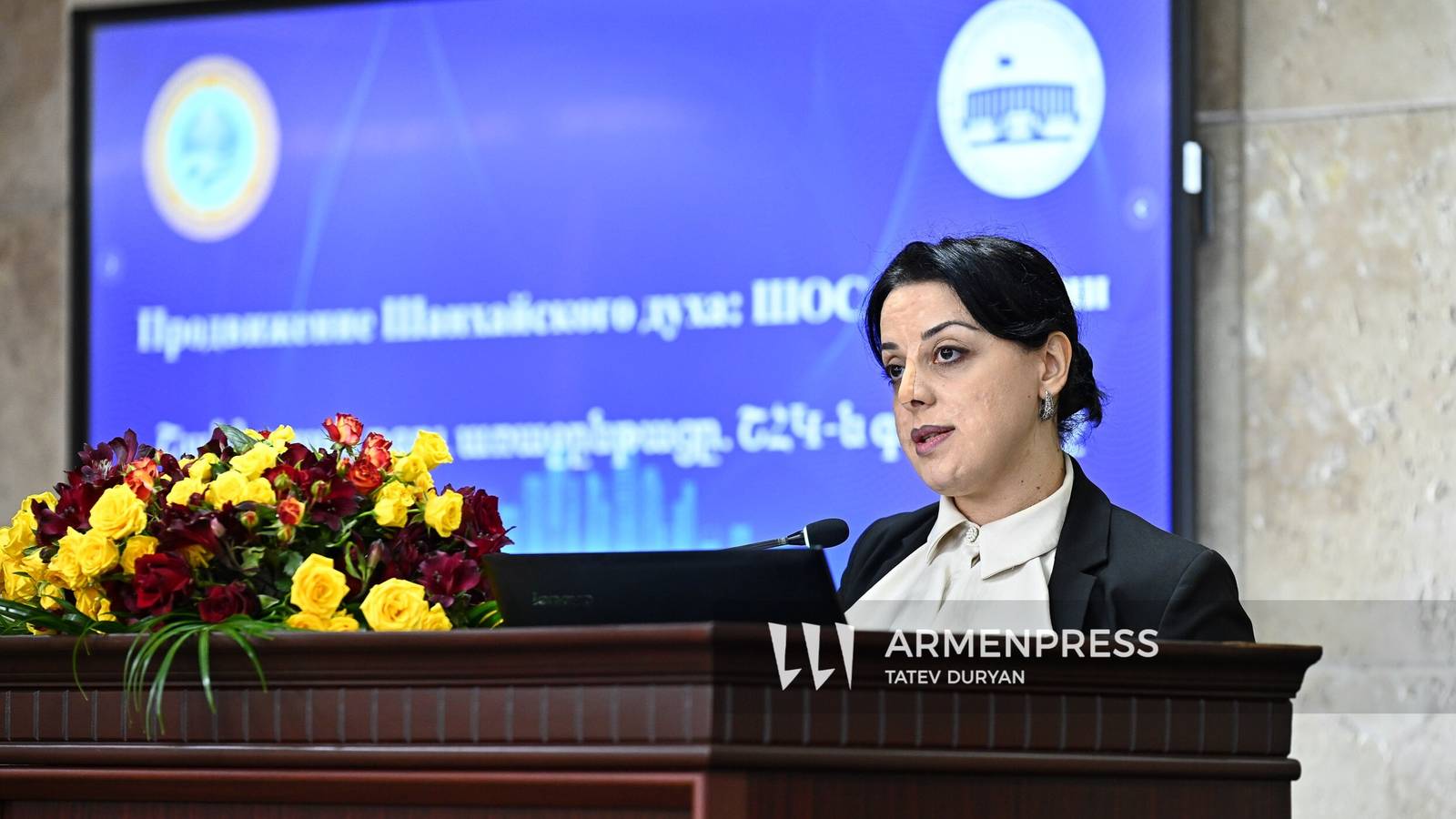
In 2018, Armenia officially applied to transition from its dialogue partner status to that of an observer state within the SCO. This move reflects Armenia’s intent to deepen its involvement and influence within the organization. Anahit Karapetyan, head of the Asia-Pacific Department at Armenia’s Ministry of Foreign Affairs, emphasized the country’s readiness to contribute to the SCO’s goals, particularly in fostering peace and connectivity in the South Caucasus.
The “Crossroads of Peace” Initiative
A key component of Armenia’s SCO strategy is the “Crossroads of Peace” initiative, introduced in 2023 by Armenian Prime Minister Nikol Pashinyan. This ambitious project aims to enhance regional connectivity by developing infrastructure such as roads, railways, and pipelines. The initiative aligns with the SCO’s objectives of promoting trade and economic cooperation, while also addressing Armenia’s unique geographical position as a bridge between East and West.
Armenia’s Role in Regional Stability
Armenia’s participation in the SCO also highlights its commitment to regional stability. The country has been engaged in peace negotiations with Azerbaijan, focusing on principles such as sovereignty, territorial integrity, and the inviolability of borders. These efforts resonate with the SCO’s emphasis on resolving disputes through dialogue and mutual respect.
Challenges and Opportunities
Despite its proactive stance, Armenia faces challenges in maximizing its SCO engagement. The absence of Armenian representatives at key SCO summits, such as the 2024 meeting in Astana, has raised questions about its strategic priorities. Additionally, neighboring countries like Azerbaijan and Georgia have secured deeper ties with China through strategic agreements, potentially sidelining Armenia in regional economic dynamics.
The Way Forward
To solidify its position within the SCO, Armenia must address these gaps by actively participating in high-level meetings and fostering stronger bilateral relations with member states. By leveraging its unique geographical and cultural assets, Armenia can play a pivotal role in the SCO’s vision for a connected and prosperous Eurasia.
Armenia’s deepening engagement with the Shanghai Cooperation Organization reflects its commitment to regional cooperation, economic development, and peace. As the country navigates its path within the SCO, it aims to balance its aspirations for sovereignty and stability with the organization’s broader goals.
Source: Armenpress, Abakanews