


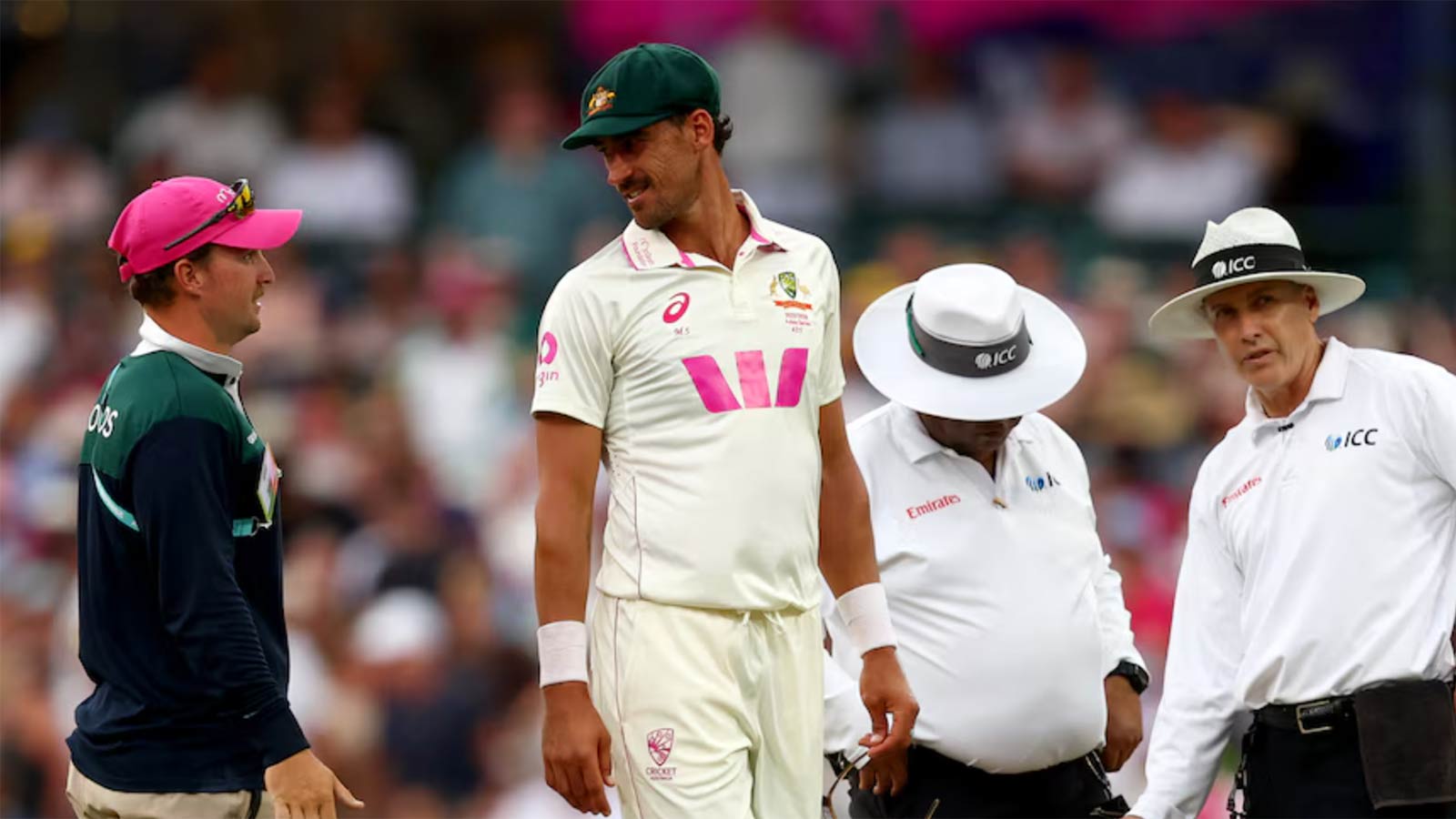
The Sydney Cricket Ground (SCG) on January 4, 2026, became the stage for a dramatic opening day of the Fifth Ashes Test, serving up a potent cocktail of cricketing resilience, strategic gambles, and meteorological frustration. England, after an early wobble, found their footing through a magnificent partnership between Joe Root and Harry Brook, only for controversial decisions surrounding both spin bowling and an early end to play to dominate headlines. As storm clouds gathered, both literally and figuratively, the day underscored the unpredictable nature of Test cricket and the enduring intensity of the Ashes rivalry.
England’s Resilient Partnership Shines Through Sydney Storm
Having won the toss and elected to bat, England initially seemed poised for another familiar collapse. The scoreboard read a precarious 57-3, with openers Ben Duckett, Zak Crawley, and Bethell all back in the pavilion. But then, a transformation. Joe Root and Harry Brook, two of England’s most dynamic batters, forged an unbeaten 154-run stand that not only steadied the innings but propelled England into a position of relative strength, ending the day at 211-3. Root, ever the serene architect, reached 72 not out off 103 deliveries, displaying a masterclass in controlled aggression. Brook, the ‘scatterbrained demigod’ as The Athletic aptly described him, complemented Root’s elegance with his characteristic frenzied flair, finishing on 78 not out off 92 balls, peppered with powerful drives and audacious sixes.
This partnership was not just about runs; it was a statement. It marked England’s highest stand of the series, achieved at a blistering run rate of 4.69 for the day, and saw them reach 200 runs quicker than ever before on Australian soil. The Barmy Army’s cries of ‘Rooot’ echoed around the SCG, a stark contrast to the initial silence of concern. However, the day’s narrative took an abrupt turn when bad light, followed by rain, forced an early cessation of play, 15 minutes before tea. Despite the sun later peeking through the clouds, play did not resume, sparking widespread frustration among fans and former players alike. Former Australian quick Jason Gillespie, speaking on ABC Radio, lamented, “Our game shoots itself in the foot time and time and time again. This is no better example of that.” Darren Lehmann echoed this sentiment, calling the decision “just poor,” especially with a crowd of 49,574 – the largest at the SCG for a Test in 50 years – eager for more action.
The Spin Conundrum: Australia’s 137-Year Gamble
Perhaps the most talked-about decision of Day 1 was Australia’s choice to omit a specialist spin bowler, a move that sent shockwaves through the cricketing world. It was the first time in 137 years that Australia had not fielded a front-line spinner in a Test match at the historically spin-friendly SCG. With star spinner Nathan Lyon sidelined by a hamstring injury requiring surgery, many expected Victorian off-spinner Todd Murphy, who had performed well in Lyon’s absence during the 2023 Ashes, to step in. Instead, all-rounder Beau Webster was given the nod over Murphy, a decision that left traditionalists and pundits flummoxed.
Former Australia batter and coach Justin Langer, on Channel Seven, expressed disbelief, stating, “I absolutely cannot believe they haven’t picked a spinner.” Kerry O’Keeffe, on Fox Sports, went even further, jokingly threatening to “take the selection panel to the Hague.” Australian captain Steve Smith admitted he “hated” leaving out Murphy, explaining that the team was “pushed into a corner” by pitches that weren’t expected to spin. However, this justification rang hollow as Webster’s part-time medium pacers proved innocuous, and fellow all-rounder Cameron Green was expensive. The decision became even more perplexing given the strong performances by spinners in domestic Sheffield Shield matches at the SCG, where Mitchell Swepson and Tanveer Sangha had recently taken crucial wickets. England, for their part, also eschewed a specialist spinner for the entire series, opting for part-timer Will Jacks to bolster their batting. The absence of specialist spin from both sides on a pitch known for its turn raised questions about modern Test cricket strategies and the curators’ role in shaping the game.
Carey’s Masterclass Behind the Stumps and Beyond
While England’s batting heroics captivated, Australia’s Alex Carey continued to redefine the role of a wicketkeeper-batter, proving himself “mes que un wicketkeeper” – more than a wicketkeeper, as The Athletic highlighted. Carey’s exemplary work behind the stumps has been a consistent highlight of the series, and Day 1 in Sydney was no exception. He took an outstanding low catch off Mitchell Starc to dismiss Ben Duckett and followed up with another sharp take to remove Bethell off Scott Boland, bringing his series tally to 24 catches. This puts him just five shy of Brad Haddin’s record of 29 catches in a five-match series, a record that has stood for over a decade.
Beyond his glovework, Carey’s proactive approach, standing up to the stumps against fast bowlers like Boland and Michael Neser, has been hailed as revolutionary, putting immense pressure on England’s batters and preventing them from leaving their crease. This high-skill maneuver, which Carey remarkably claims he doesn’t specifically practice in the nets, showcases his natural instincts and elite game awareness. Langer praised Carey’s “brilliant with the gloves, with the bat and the way he’s worked with the bowlers has been elite,” adding that his skill to come up to the stumps against fast bowling is “rare to see in this day and age.” As Australia’s second-highest run-scorer in the Ashes and a senior leader, Carey’s all-round excellence has starkly contrasted with England’s wicketkeeping options, particularly Jamie Smith, whose contributions with both bat and gloves have been less impactful, leading to comparisons that underscored Australia’s advantage in this crucial department.
Crawley’s Lingering Questions Amidst Batting Woes
For England opener Zak Crawley, Day 1 at the SCG presented another opportunity to cement his place and deliver a match-defining innings, especially on a pitch that curator Adam Lewis had prepared to favor batters. Four years prior, Crawley’s dashing 77 off 100 balls at this very ground had caught the eye of England’s management, seemingly setting the narrative for a long and successful Test career against pace and bounce. However, his dismissal for 16 off 29 balls, trapped leg before wicket by Michael Neser, added another chapter to his inconsistent journey.
Despite being England’s top scorer heading into the Fifth Test and showing flashes of fine form throughout the series, Crawley has yet to deliver a truly decisive performance. His career batting average stubbornly hovers in the low 30s, punctuated by prolonged periods of struggle. As The Athletic observed, his career has largely been “flattering to deceive,” with that memorable 77 from 2022 serving as a symbol of potential that hasn’t consistently translated into impact. With only one more innings left in this Ashes series, the pressure on Crawley is immense. Sydney, the scene of both his past promise and current frustrations, will ultimately decide whether his “great experiment” as an opener yields green shoots for the future or marks a gravestone for a career that promised more than it delivered.
Day one of the Fifth Ashes Test in Sydney was a microcosm of the series itself: moments of individual brilliance, questionable strategic choices, and the ever-present shadow of the weather. England’s fightback, spearheaded by Root and Brook, demonstrated their resilience, yet the controversial early stoppage and Australia’s baffling spin decision left a lingering sense of unfulfilled potential. Ultimately, the day’s events set the stage for a compelling continuation, with both teams facing critical questions about their approach and execution as the Ashes finale unfolds.