


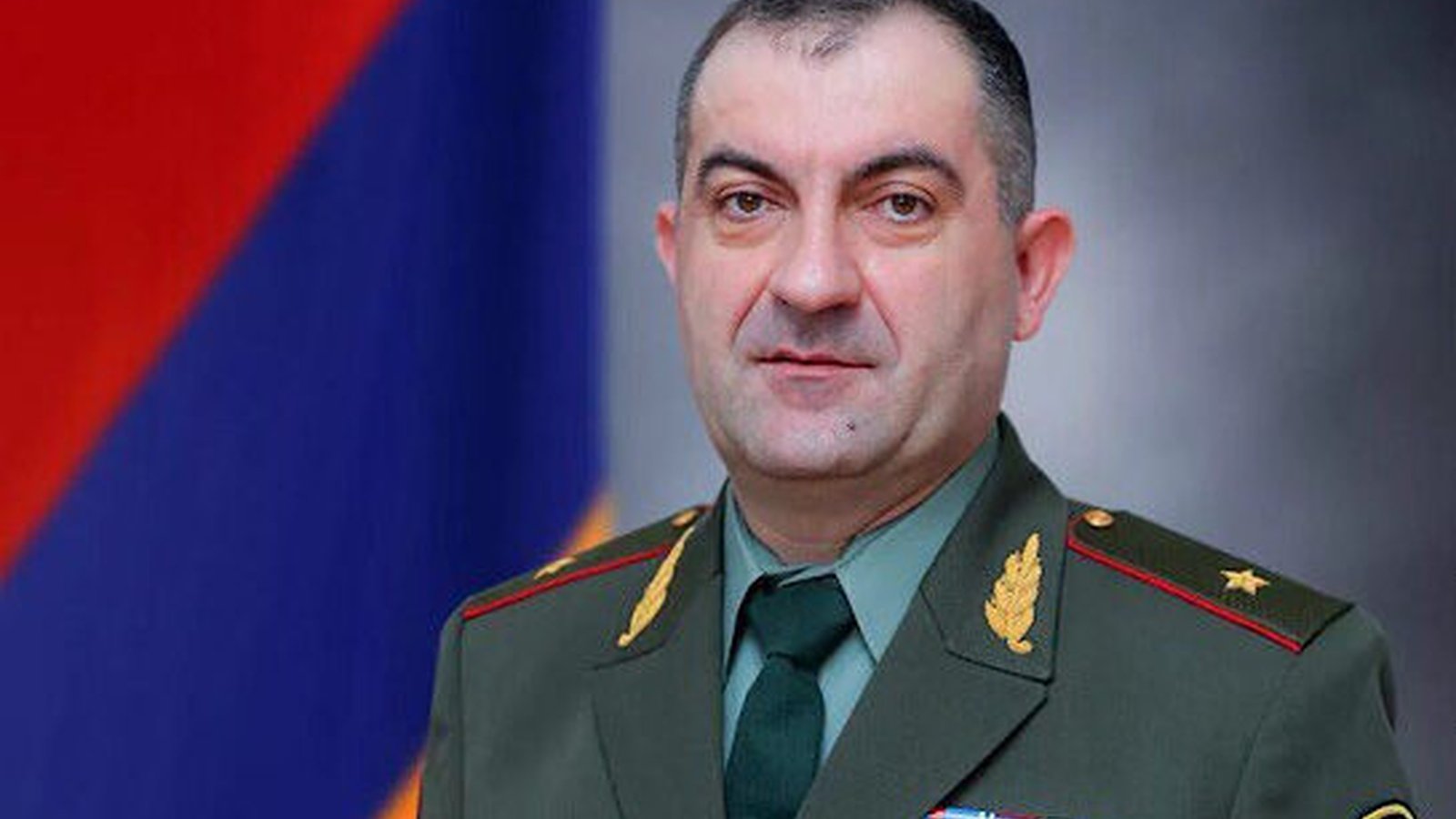
The financial transparency of Armenia’s high-ranking military officials has come under renewed focus following a detailed examination of the asset declarations filed by Lieutenant General Edward Asryan, the Chief of the General Staff of the Armenian Armed Forces. As the military continues to navigate complex regional security challenges, public expectations for institutional accountability and the ethical standards of its leadership remain a cornerstone of democratic governance.
Tracing the Trajectory of Assets
Data synthesized from official filings indicate a marked progression in Asryan’s financial profile since his elevation to the top military post in July 2022. In 2021, prior to his current appointment, his disclosed annual income stood at approximately 3.6 million drams, with modest cash and bank holdings. By 2024, that figure had climbed to over 24.3 million drams.
A significant milestone in this timeline was the 2022 acquisition of an apartment in Yerevan’s Nor Nork district, valued at 28.5 million drams. This purchase was facilitated by a substantial credit obligation, which initially stood at nearly 23 million drams. By the end of 2024, while his liquid assets—both bank deposits and cash—had grown to roughly 9 million drams combined, his outstanding loan balance had been reduced to approximately 19.9 million drams.
Institutional Context and Public Trust
The role of the Chief of the General Staff carries profound responsibility, and in any liberal democracy, the correlation between such high-stakes public service and personal financial growth is a matter of legitimate public interest. While there is no evidence suggesting that these acquisitions fall outside the bounds of legal income, the transparency of these disclosures serves as a vital instrument for maintaining public trust. In the context of the Armenian Armed Forces, where internal discipline and moral-psychological state are frequently prioritized as strategic objectives, the financial integrity of the command structure remains an essential component of professional legitimacy.
Ultimately, the increase in Asryan’s income and assets reflects his career advancement within the defense hierarchy, yet it simultaneously highlights the necessity for rigorous, ongoing oversight. As Armenia continues to build its democratic institutions, the expectation that military leadership operates with total financial clarity is not merely a bureaucratic requirement, but a prerequisite for the public confidence needed to sustain the nation’s security architecture.