
Quick Read
- U.S.-Iran negotiations in Islamabad failed to produce a comprehensive peace treaty.
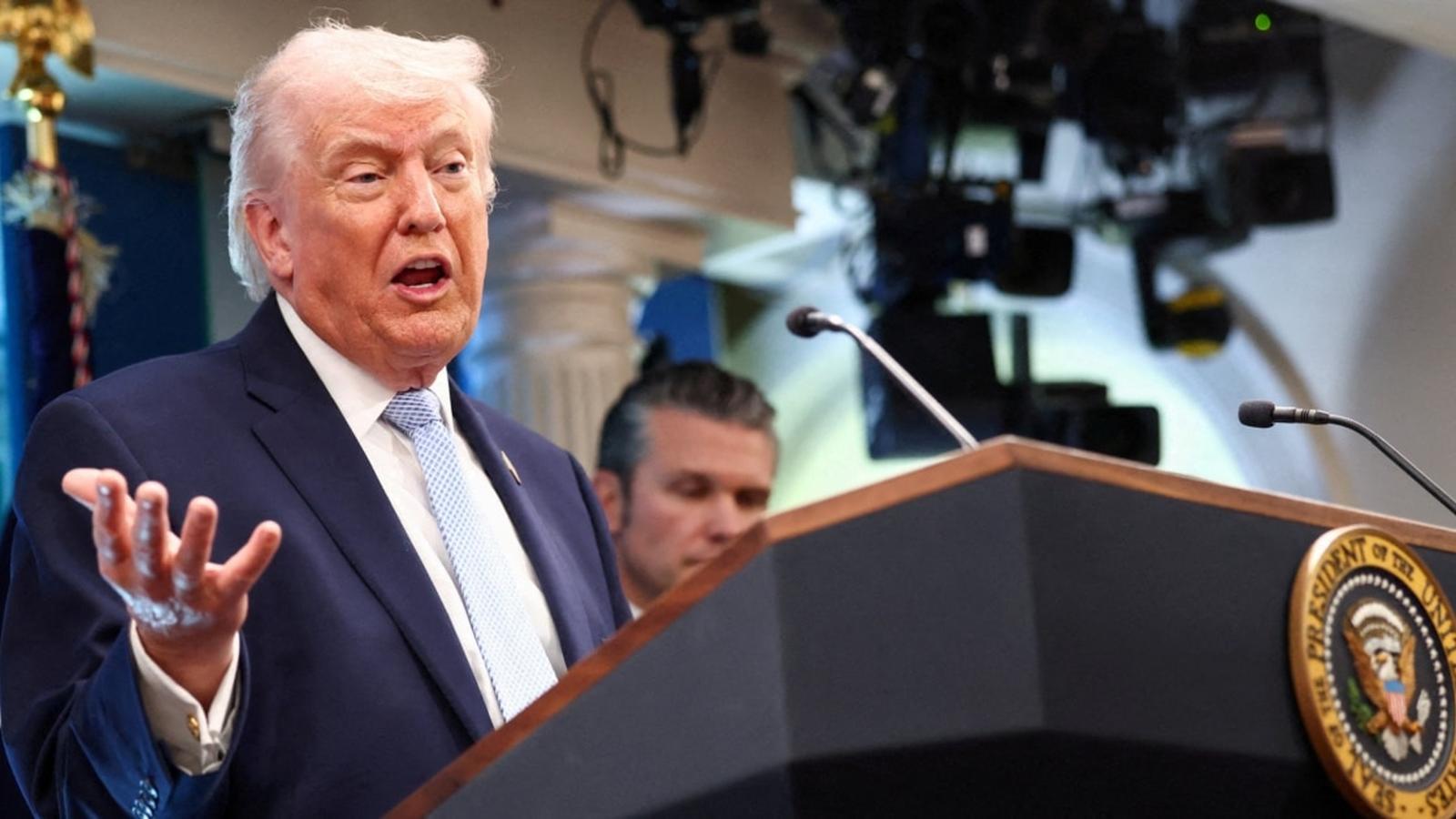
- President Trump has threatened to implement a blockade of the Strait of Hormuz if Iranian aggression continues.
- Global energy prices remain volatile as the ceasefire status remains fragile.
A Fragile Ceasefire and Escalating Rhetoric
The geopolitical landscape of the Middle East remains precariously balanced as the United States and Iran navigate the aftermath of a two-week conflict that brought the region to the brink of a wider war. While a ceasefire was established in early April 2026, the diplomatic path forward has stalled, with President Donald Trump asserting that Iran must now “seek mercy” to resolve the ongoing standoff. This rhetoric follows failed negotiations in Islamabad, where U.S. and Iranian officials were unable to secure a long-term agreement regarding nuclear non-proliferation and the unrestricted passage of global energy shipments through the Strait of Hormuz.
The Strategic Chokepoint of Hormuz
The Strait of Hormuz, a critical artery for global oil and gas supplies, has become the epicenter of this confrontation. Despite the ceasefire, tensions flared as the U.S. administration accused Tehran of failing to uphold its commitment to clear the waterway of mines. President Trump has signaled a rigid stance, announcing that the U.S. Navy is prepared to interdict any vessels paying transit fees to Iran, framing such actions as a form of “global blackmail.” For global markets, the uncertainty has been palpable; while oil prices initially dropped following the ceasefire announcement, the failure of the Islamabad talks has kept energy traders on edge, fearing that any breakdown in communication could trigger a rapid return to military hostility.
Institutional Accountability and the Path Ahead
From a liberal democratic perspective, the current impasse highlights the fragility of international norms when institutional accountability is sidelined by brinkmanship. The failure of the tripartite talks, which included Pakistani mediation, underscores a deep-seated lack of trust between Washington and Tehran. While the White House maintains that it has achieved a “total victory” by degrading Iranian military capabilities, the reality on the ground suggests a more complex, volatile equilibrium. Regional security is now contingent on whether the current ceasefire holds or if the administration makes good on its promise of “stronger strikes” against Iranian infrastructure. Ultimately, the stability of the region rests not on unilateral declarations of victory, but on the restoration of transparent, rules-based navigation and a genuine diplomatic framework that addresses the underlying security concerns of all regional actors rather than merely enforcing terms through the threat of force.